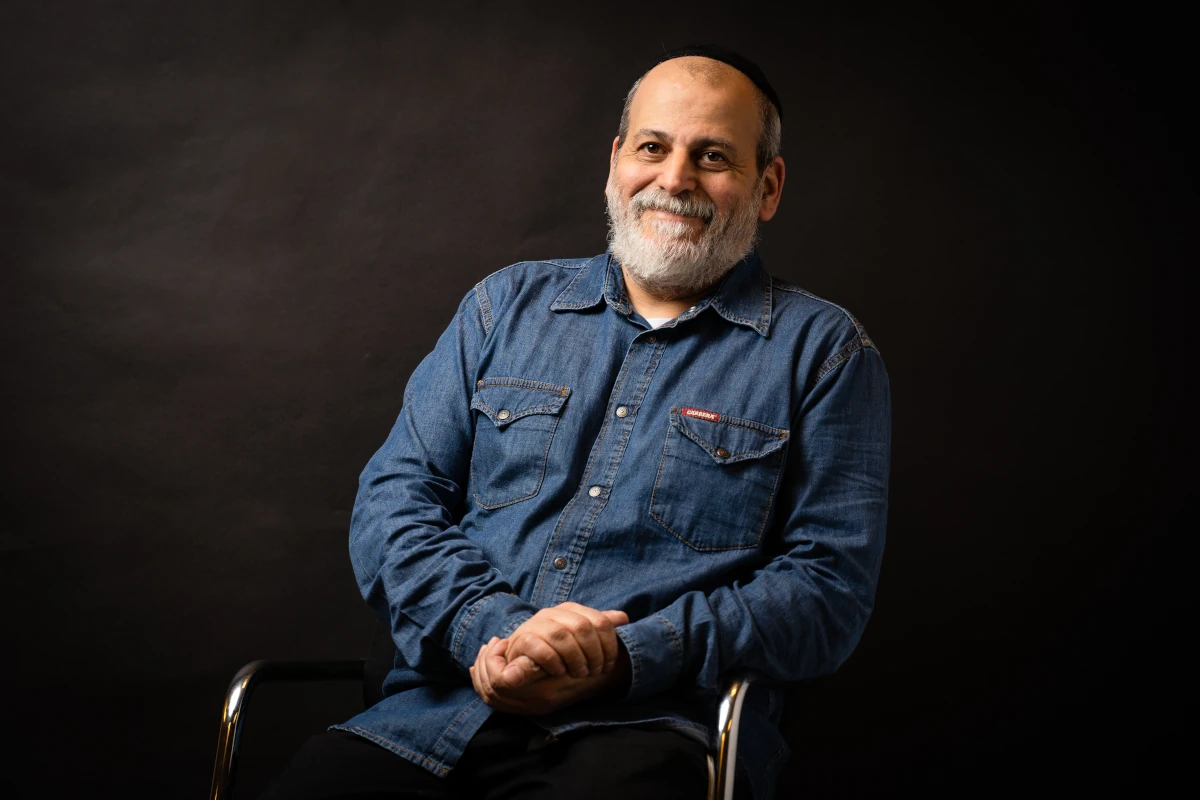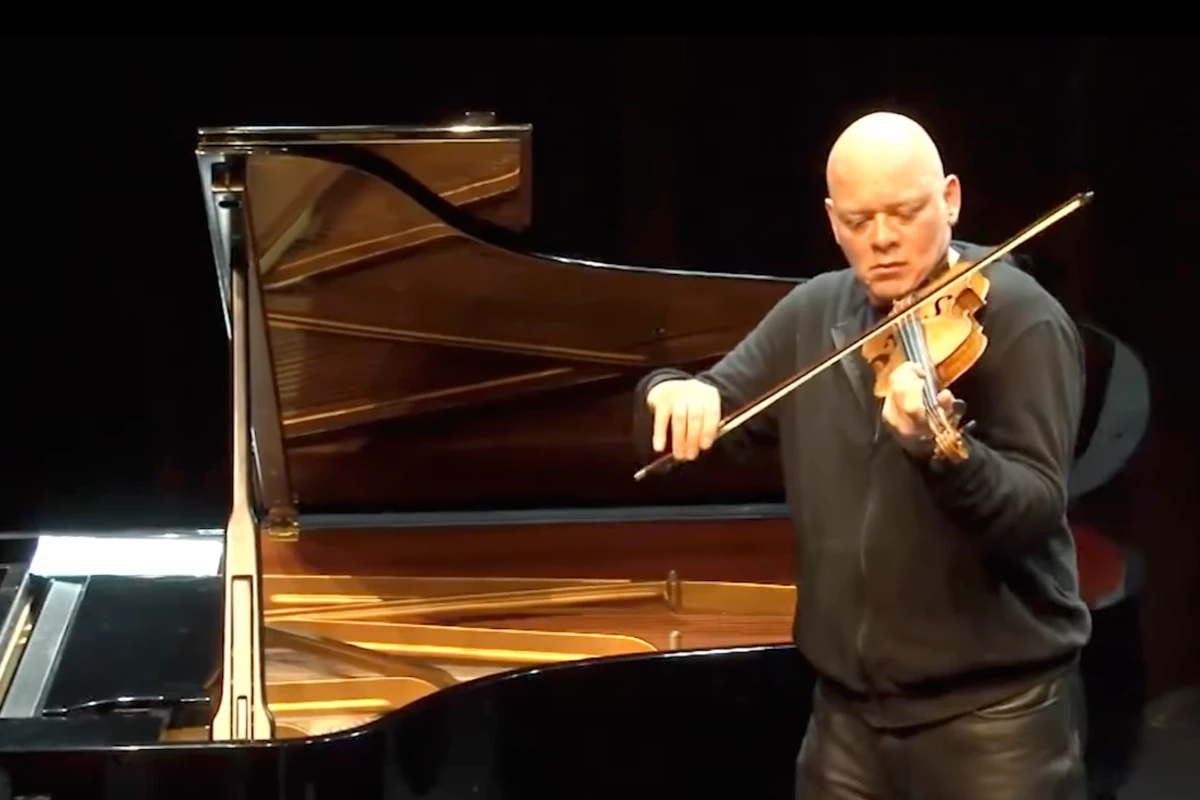
Illettré jusqu'à 15 ans, diagnostiqué autiste à 40 ans : l'histoire vraie de Kristian Schott, violoniste, et de la musique qui lui a appris à parler.
Une enfance sans mot pour la nommer
Kristian Schott naît en 1970 en région parisienne avec une hémiplégie qui l'empêche de tendre le bras droit. Mais ce n'est pas ce handicap moteur qui va marquer le plus durablement son enfance : c'est une hypersensibilité sensorielle de tous les instants, qu'il ne pourra nommer que des décennies plus tard.
À 4 ans, une pneumonie l'oblige à un séjour hospitalier qui tourne mal : faute de repères sur ce qu'il traverse, l'équipe médicale envisage un temps de le placer en institution psychiatrique. Ses parents choisissent de le reprendre avec eux avant que la situation ne se dégrade davantage. Dans la France du début des années 1970, l'autisme reste presque totalement méconnu, y compris du monde médical.
Il grandit dans un état d'alerte permanent face à un monde qu'il perçoit de façon saturée et confuse, oscillant entre peur et colère, incapable de distinguer une question d'une affirmation dans une conversation. Scolarisé, il subit aussi le harcèlement dans la cour de récréation.
Le violon, pensé comme une rééducation du bras
À 5 ans, ses parents l'inscrivent au conservatoire, au violon — non pas parce qu'on y voit un don ou un besoin de communication, mais pour une raison bien plus terre-à-terre : son père espère que l'instrument aidera à rééduquer son bras droit paralysé.
Très vite, la lecture de partitions se révèle difficile. Son père, lui-même violoniste amateur formé à l'oreille, comprend et adapte sa pédagogie : plutôt que d'insister sur le solfège, il lui fait écouter des disques — musique tzigane, musique d'Europe de l'Est — et l'encourage à improviser dessus, à l'oreille.
La musique occupe une place centrale dans cette famille originaire d'Alsace : son père l'initie à Wagner, Beethoven, Bruckner ; sa sœur l'accompagne au piano lors des fêtes familiales — des moments qu'il comptera plus tard parmi ses souvenirs de partage les plus marquants.
Comment l'opéra lui a appris à parler
Kristian Schott reste pratiquement illettré jusqu'à l'âge de 15 ans. Une prise en charge en orthophonie finit par lui ouvrir l'accès à la lecture — son premier livre est Jonathan Livingston le goéland — mais déchiffrer les phonèmes ne suffit pas encore à accéder au sens des phrases.
Faute de prise en charge adaptée pour ses difficultés de communication, c'est par la musique qu'il se rééduque, presque instinctivement. Dès 6 ans, il s'impose l'écoute intégrale des symphonies de Beethoven — offertes par son père — instrument par instrument, pendant des journées entières, pour apprendre à suivre un son et anticiper sa trajectoire.
C'est en se passionnant pour la Tétralogie de Wagner et ses dialogues chantés qu'il dit avoir compris, enfin, le principe même du dialogue parlé et de sa structure. Selon ses propres mots, rapportés par France Musique : « c'est l'opéra qui m'a appris à parler ».
Une carrière musicale sans concours ni orchestre
Malgré des études poussées jusqu'à l'École normale de musique de Paris, Kristian Schott ne parvient jamais à intégrer un orchestre ni à se présenter à des concours — ses difficultés dans les interactions sociales le lui interdisent. Son niveau de solfège reste faible, mais sa capacité à reproduire une mélodie à l'oreille, elle, est redoutable.
C'est finalement l'ethnomusicologie qui lui ouvre une voie professionnelle viable : il voyage en Pologne, en Russie, en Allemagne, se spécialise dans la musique traditionnelle d'Europe de l'Est, et monte un groupe avec son épouse, elle-même musicienne. Contrairement au monde du conservatoire, cet univers ne hiérarchise pas les musiciens selon leurs diplômes — une bouffée d'air qu'il décrit comme une vraie forme d'émancipation, après des années à se sentir jugé sur des critères qui ne lui correspondaient pas.
Kristian Schott raconte lui-même son parcours.
Le diagnostic, à 40 ans
Ce n'est qu'en 2010, à l'âge de 40 ans, que Kristian Schott est diagnostiqué autiste — après toute une vie déjà construite, une carrière musicale déjà lancée. Ce diagnostic tardif rebat les cartes de sa propre compréhension de lui-même : il se définit depuis comme un "autiste auditif", extrêmement sensible aux stimuli sonores, dont la surcharge continue de provoquer chez lui de violentes crises.
Il devient alors auteur — son livre Ma Théorie Zéro, vivre autiste sans déficience intellectuelle, préfacé par la psychiatre Lisa Ouss-Ryngaert, raconte ce parcours — et conférencier auprès des familles et des professionnels de l'autisme. D'avril à novembre 2017, il anime des ateliers de musicothérapie avec le psychiatre Bruno Gepner à Aix-en-Provence, où des adultes autistes s'initient à l'expression de soi par l'instrument, sans jamais avoir besoin de parler.
Ce n'est pas une catégorie clinique officielle, mais une auto-description que Kristian Schott utilise pour lui-même. L'hypersensibilité sensorielle fait partie des critères diagnostiques de l'autisme, et elle touche différents canaux selon la personne — auditif, visuel, tactile. Se dire "auditif" revient à dire que le son domine son rapport au monde, plus que tout autre sens : une clé de lecture qui éclaire rétrospectivement tout son parcours, du violon imposé à 5 ans jusqu'à l'opéra qui lui a appris à parler.
Aujourd'hui, Kristian Schott se déplace à moto, casque sur les oreilles, écoutant de la musique techno — la pulsation régulière l'aide à focaliser son attention sur la route.
Questions fréquentes
En 2010, à l'âge de 40 ans — bien après le début de sa carrière de violoniste professionnel.
Pour rééduquer son bras droit, paralysé par une hémiplégie de naissance — pas pour une raison musicale ou communicationnelle au départ.
Oui, notamment Ma Théorie Zéro, vivre autiste sans déficience intellectuelle, préfacé par la psychiatre Lisa Ouss-Ryngaert.
Un diagnostic peut arriver après toute une vie déjà vécue — et changer, malgré tout, la façon de la comprendre.
Le parcours de Kristian Schott rappelle qu'un diagnostic, même tardif, ne réécrit pas une vie — il l'éclaire autrement. C'est cette même conviction qui guide notre accompagnement, à tout âge.
Sources : Suzana Kubik, "Kristian Schott, l'homme qui parle avec son violon", France Musique, 2 avril 2019 ; biographies éditoriales (Babelio, lecteurs.com) ; Apte-Autisme.
— ◆ —
Chaque don compte
Votre soutien permet à l'association de poursuivre son accompagnement auprès des personnes autistes et de leurs familles.
Nous SoutenirVous aimerez aussi
Scolarisation à l'IME : de 30% à 90% en deux ans
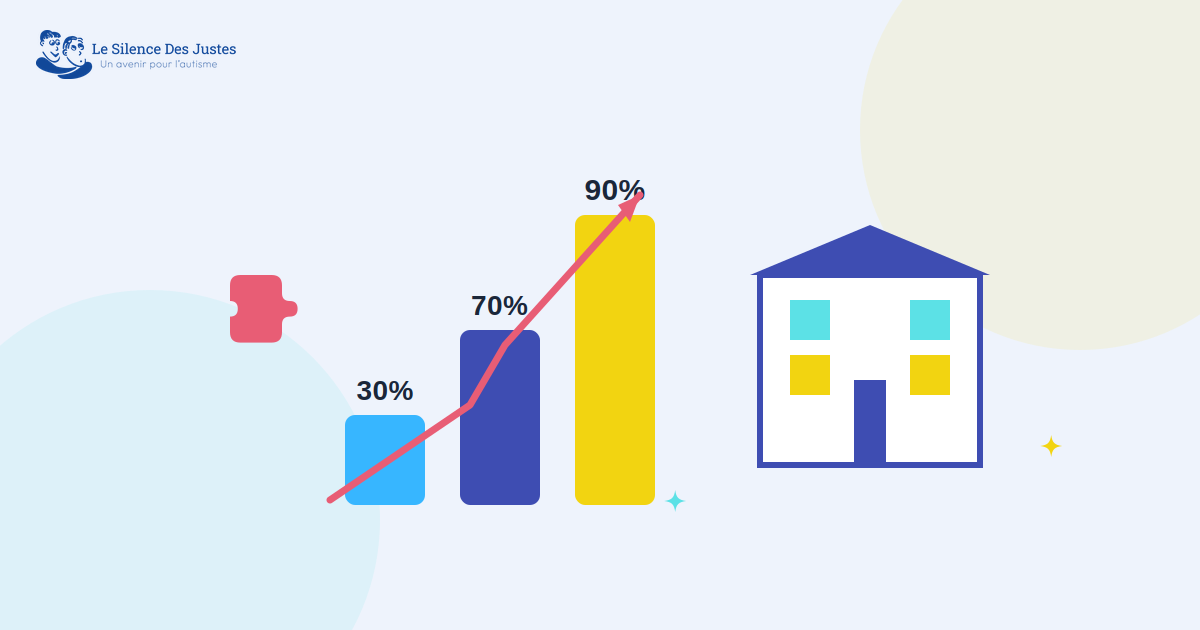
Dans un <a href ="/actualites/autisme-et-scolarisation-en-france-les-chiffres-de-la-rentree" target_blank> précédent article</a>, on parlait de chiffres nationaux — dispositifs, réformes, tensions. En voici un qui vient de l'intérieur, et qui permet de mesurer ce que ces politiques donnent, une fois appliquées concrètement : à l'IME du Silence des Justes, le taux d'enfants scolarisés en milieu ordinaire est passé de 30% à 90% en deux ans. Voici comment, et ce que ça représente à l'échelle du pays.

Comment favoriser l’inclusion des enfants autistes ?
Favoriser l’inclusion des enfants autistes à l’école passe par des pratiques éducatives adaptées, une meilleure sensibilisation des équipes enseignantes et des aménagements pédagogiques ciblés. L’article met en avant des stratégies concrètes pour créer un environnement scolaire plus accueillant et compréhensif, permettant à chaque élève sur le spectre autistique de participer pleinement à la vie de la classe et de s’épanouir.
Itinéraire d'un don : que devient votre argent quand vous soutenez Le Silence des Justes ?
Donner à une association, c'est un acte de confiance. Cette confiance, nous ne la prenons pas à la légère. Cet article retrace le chemin exact que prend votre don et vous donne toutes les clés fiscales et légales utiles pour 2026.