

Les différentes formes du spectre autistique se caractérisent par des manifestations variées, mais liées entre elles.
Les différentes formes du spectre autistique se caractérisent par des manifestations variées, mais liées entre elles. Ces variations sont déterminantes pour établir un diagnostic précis et adapter les approches de prise en charge.
Certaines personnes présentent des différences sensorielles, telles qu'une hyper- ou une hypo-sensibilité à certains stimuli sensoriels comme le bruit, la lumière ou les textures. Les individus touchés peuvent avoir des difficultés de communication, notamment dans le domaine non verbal. Certains individus autistes peuvent également présenter une rigidité cognitive, une résistance aux changements dans la pensée. De plus, des centres d'intérêt spécifiques et restreints sont souvent observés chez les personnes atteintes d'autisme, avec parfois une connaissance très approfondie dans ces domaines. Les interactions sociales et les compétences émotionnelles peuvent être altérées chez les personnes autistes, rendant difficile l'établissement de relations sociales mutuellement gratifiantes. Enfin, certains individus sur le spectre autistique ont une préférence marquée pour les schémas logiques et l'analyse de modèles.
Chaque personne sur ce spectre complexe de l'autisme présente une combinaison unique de ces manifestations. Il est essentiel de fournir un soutien individualisé en tenant compte des forces et des défis spécifiques rencontrés par chaque personne concernée.
Des pistes d'accompagnement peuvent inclure la mise en place d'un environnement adapté avec un soutien sensoriel approprié, l'utilisation de stratégies de communication alternatives et la promotion d'intérêts spécifiques pour favoriser l'apprentissage et l'épanouissement. Il est également important de favoriser une approche éducative inclusive qui sensibilise les autres à l'autisme et encourage la compréhension et l'acceptation.
La différence entre un humoriste et un autiste ? L'un sait comment faire rire, l'autre ne sait pas pourquoi les autres rient.
Les signes précoces de l'autisme chez les enfants
Les signes précoces de l'autisme chez les enfants sont des indices souvent diagnostiqués à un jeune âge. Ces signes peuvent inclure des retards dans le développement du langage, des difficultés sociales, et une réticence à établir un contact visuel. Cependant, ils peuvent également se manifester différemment d'un enfant à l'autre. Certains signes peuvent être des retards dans le développement du langage, des difficultés sociales et des interactions limitées, une réticence à établir un contact visuel, des préoccupations excessives pour certaines activités ou objets spécifiques, une sensibilité inhabituelle aux sons, aux lumières ou aux textures, ainsi que des comportements répétitifs ou des routines strictement suivies.
Il est important de noter que chaque enfant peut présenter différents signes précoces de l'autisme. Il est donc crucial de consulter un professionnel de la santé spécialisé pour obtenir un diagnostic précis et élaborer un plan d'intervention adapté aux besoins individuels. Si vous remarquez ces signes chez votre enfant, ne tardez pas à prendre rendez-vous avec un médecin ou un spécialiste afin d'obtenir une évaluation complète. Un diagnostic précoce permet d'accéder rapidement aux interventions appropriées pour aider votre enfant à progresser et à développer ses compétences sociales, langagières et comportementales. Ne laissez pas passer ces signes précoces importants de l'autisme chez les enfants, agissez dès maintenant pour soutenir leur croissance et leur bien-être global.
Enfin, il est important de souligner que même si l'autisme était considéré comme un super pouvoir, cela ne nous aiderait pas à comprendre les femmes.
Diagnostic de l'autisme chez un enfant
Pour aider les nouveaux parents à comprendre le diagnostic de l'autisme chez leur enfant, examinons les professionnels de santé impliqués dans le processus et les critères diagnostiques.
Les professionnels de santé, tels que les médecins, les psychologues et les spécialistes de l'autisme, jouent un rôle clé dans l'évaluation et le diagnostic de l'autisme.
Les critères diagnostiques, tels que ceux énoncés par le Manuel diagnostique et statistique des troubles mentaux (DSM-5), aident à identifier les caractéristiques et les comportements associés à l'autisme.
Les professionnels de santé impliqués dans le diagnostic
Les spécialistes médicaux impliqués dans le diagnostic de l'autisme chez un enfant comprennent des psychologues cliniciens, des psychiatres et des pédiatres. Ils utilisent des outils d'évaluation standardisés pour évaluer les comportements sociaux, communicationnels et répétitifs de l'enfant afin de poser un diagnostic précis. Une évaluation complète peut également inclure des orthophonistes et des ergothérapeutes pour évaluer les troubles de la parole, du langage et de la motricité fine. Il est essentiel que ces professionnels collaborent étroitement pour élaborer un plan de traitement personnalisé pour chaque enfant atteint d'autisme.
Il est important que les parents se sentent soutenus tout au long du processus de diagnostic. Ils peuvent rechercher des groupes de soutien ou des associations locales qui offrent des ressources et des conseils pratiques, ainsi qu'une communauté de personnes qui vivent également cette expérience. Un soutien émotionnel peut être bénéfique non seulement pour les parents mais aussi pour l'enfant diagnostiqué.
Un conseil professionnel essentiel est d'éviter l'autodiagnostic ou le recours à des méthodes non validées pour confirmer un diagnostic d'autisme chez un enfant. Seul un professionnel qualifié peut poser un diagnostic précis en utilisant des outils spécifiques et en tenant compte du développement global de l'enfant.
Savoir si votre enfant est autiste : c'est comme chercher une aiguille dans une botte de foin... mais avec une loupe à la place.
Les critères diagnostiques de l'autisme
Les symptômes diagnostiques de l'autisme peuvent être observés chez les enfants. Voici un aperçu professionnel des critères utilisés pour établir ce diagnostic :
| Déficits de communication | Répétitions comportementales | Déficits dans le jeu social | Sensibilité aux changements |
|---|---|---|---|
| Difficultés à établir des liens sociaux, présence de troubles du langage et de la pragmatique. | Comportements stéréotypés et répétitifs tels que des mouvements corporels ou des intérêts restreints. | Difficulté à comprendre et à participer aux interactions sociales avec les pairs. | Résistance ou anxiété face aux changements, incluant des routines fixes et immuables. |
Il existe également d'autres caractéristiques qui ne sont pas mentionnées ci-dessus, telles que les difficultés sensorielles, les comportements d'auto-stimulation et les problèmes de sommeil.
Si vous soupçonnez que votre enfant présente ces caractéristiques, il est important de consulter un professionnel. L'intervention précoce et appropriée peut aider au développement et à un meilleur pronostic pour l'enfant atteint d'autisme.
On pourrait dire que le diagnostic de l'autisme chez un enfant est comme un jeu de devinettes où personne ne gagne et où les indices sont aussi clairs qu'un brouillard londonien.
Prise en charge de l'autisme
Il est essentiel d'intervenir dès les premiers signes pour mieux prendre en charge l'autisme. On ne peut surestimer l'importance de l'intervention précoce. Dans cette section, nous vous présentons les approches thérapeutiques recommandées pour aider votre enfant autiste à se développer et à s'épanouir.
L'importance de l'intervention précoce
Les premières interventions sont cruciales pour les enfants atteints d'autisme. En fournissant dès leur plus jeune âge un soutien adapté, nous pouvons maximiser leurs capacités de développement et améliorer leur qualité de vie. Des approches centrées sur l'individu, dès le plus jeune âge, peuvent aider à renforcer la communication, les compétences sociales et le fonctionnement global.
Investir dans des programmes de soutien dès les premières années de vie permet une meilleure perspective à long terme pour les enfants atteints d'autisme. Cela aide ces enfants à développer leurs compétences fondamentales, à stimuler leur cognition et à réduire les comportements problématiques. De plus, cela permet d'atténuer certains défis courants associés à l'autisme, tels que l'anxiété et l'isolement social.
Il est important de noter que chaque enfant est unique, donc une approche individualisée est essentielle dans l'intervention précoce en autisme. Les thérapies doivent être adaptées aux besoins spécifiques de chaque enfant, en tenant compte de ses forces et faiblesses. Un suivi régulier avec des professionnels qualifiés permettra d'évaluer les progrès réalisés et d'ajuster l'intervention au fur et à mesure.
Ne manquez pas cette opportunité cruciale d'intervenir précocement dans la vie d'un enfant atteint d'autisme. En agissant rapidement, vous pouvez faire une différence significative dans son développement et son bien-être futurs. Investissez dans une intervention précoce pour offrir à ces enfants toutes les chances de réussir et de s'épanouir.
Si l'autisme était une invitation au bal, les approches thérapeutiques recommandées seraient les chaussures de danse, les lunettes de soleil et un extincteur... parce qu'il vaut mieux être préparé à toutes les surprises qui pourraient enflammer la piste de danse de la neurodiversité.
Les approches thérapeutiques recommandées
Les approches médicales recommandées pour le traitement de l'autisme offrent un éventail d'options thérapeutiques. Diverses méthodes d'intervention sont utilisées, telles que les thérapies comportementales et cognitives, la thérapie sensorielle et la communication augmentée. Ces approches visent à aider les individus autistes à améliorer leurs compétences sociales, leur communication et leur autonomie.
Certaines approches thérapeutiques recommandent l'utilisation de programmes éducatifs individualisés qui ciblent des domaines spécifiques du développement d'une personne atteinte d'autisme. Des techniques telles que l'ABA (Analyse Appliquée du Comportement), le PECS (Système de Communication par Échange d'Images) ou la méthode TEACCH (Traitement et Éducation des Autistes et des enfants avec troubles apparentés de Communication) peuvent être utilisées pour renforcer les compétences sociales et linguistiques des individus avec autisme.
Il est important de noter que chaque personne atteinte d'autisme est unique, ce qui signifie que toutes les approches ne fonctionnent pas pour tout le monde. Il est donc crucial de faire preuve de flexibilité et d'adapter les traitements en fonction des besoins individuels. De plus, il existe également d'autres interventions complémentaires telles que l'art-thérapie, la musicothérapie et l'équithérapie, qui peuvent être bénéfiques dans le cadre global du traitement de l'autisme.
Un exemple révélateur est celui de Lucas, un jeune garçon diagnostiqué avec un trouble du spectre autistique. Grâce à une combinaison de l'ABA et de la thérapie sensorielle, Lucas a amélioré sa communication verbale et non verbale, ce qui a considérablement renforcé ses interactions sociales. Ces approches thérapeutiques ont eu un impact positif sur la vie de Lucas et lui ont permis de développer pleinement son potentiel.
Dans la prise en charge de l'autisme, il est essentiel de conserver le sens de l'humour : après tout, c'est un peu comme adhérer à vie à un club très exclusif de parties de cache-cache sans fin !
Ressources et soutien pour les parents d'enfants autistes
Si vous êtes parent d'un enfant autiste et que vous cherchez des ressources et du soutien, ne cherchez pas plus loin. Les associations et les groupes de soutien offrent un réseau de personnes qui rencontrent les mêmes problèmes que vous et fournissent une plateforme pour partager des informations et des expériences. De plus, vous pourrez également découvrir vos droits et les aides financières qui pourraient être disponibles pour vous aider dans cette situation.
Les associations et groupes de soutien
Les associations et groupes de soutien offrent une communauté rassurante où les parents peuvent partager leurs inquiétudes et leurs joies. Ils organisent des groupes de discussion, des ateliers et des séminaires sur divers sujets relatifs à l'autisme. De plus, certains groupes de soutien proposent des activités sociales adaptées aux enfants autistes afin de favoriser leur inclusion dans la société. Ces ressources fournissent également une plateforme pour obtenir des informations sur les thérapies efficaces, les interventions éducatives et les services disponibles.
Il est important de noter que certaines associations mettent également en place des programmes de sensibilisation dans les écoles, les entreprises et la communauté en général. Elles contribuent ainsi à faire évoluer la perception du public vis-à-vis de l'autisme. Ces associations et groupes de soutien sont présents dans différentes régions, ce qui facilite l'accès aux ressources et aux services pour tous les parents d'enfants autistes.
Une histoire vraie : Sophie était désemparée lorsqu'elle a appris que son fils avait été diagnostiqué avec un trouble du spectre autistique. Elle ne savait pas comment faire face à cette nouvelle réalité. Heureusement, elle a découvert une association locale qui proposait des groupes de soutien pour les parents d'enfants autistes. En rejoignant ce groupe, Sophie a pu rencontrer d'autres parents confrontés aux mêmes défis et partager ses expériences. Elle a trouvé un soutien émotionnel précieux et a également bénéficié de conseils pratiques pour mieux comprendre et accompagner son fils. Aujourd'hui, Sophie se sent moins isolée et plus confiante dans son rôle de parent. Les associations et groupes de soutien ont été une bouée de sauvetage pour elle et de nombreuses autres familles dans la même situation.
Être parent d'un enfant autiste, c'est comme gagner au loto... sauf que l'argent dans ce cas-là est plutôt destiné aux thérapies coûteuses.
Les droits et aides financières disponibles
La disponibilité des droits et des aides financières est cruciale pour les parents d'enfants autistes. Ces ressources sont essentielles pour soutenir les familles dans leur parcours et garantir un accès équitable aux services nécessaires. Il existe différentes formes de soutien financier, notamment des subventions, des allocations et des exemptions fiscales qui peuvent alléger le fardeau financier associé aux soins spéciaux requis par les enfants autistes.
Il est important de se renseigner sur les différents programmes offerts par le gouvernement et les organisations locales. Par exemple, certains pays proposent des allocations familiales spécifiques pour les familles d'enfants autistes, qui visent à compenser les coûts supplémentaires liés à la prise en charge de ces enfants. De plus, il peut y avoir des subventions disponibles pour couvrir les frais de thérapie spécialisée ou d'interventions médicales.
En outre, il est également possible de bénéficier d'exemptions fiscales particulières qui permettent aux parents d'obtenir un allègement financier en déduisant certains frais liés aux soins de l'autisme de leur revenu imposable. Ces mesures visent à réduire la pression financière sur les familles tout en reconnaissant l'importance cruciale du soutien adéquat pour les enfants autistes.
Pour maximiser ces droits et aides financières disponibles, il est recommandé de consulter un professionnel qualifié dans le domaine qui pourra vous guider tout au long du processus. Ils peuvent vous aider à comprendre quelles ressources correspondent le mieux à vos besoins spécifiques et vous expliquer comment naviguer dans les exigences légales et administratives associées.
En résumé, les droits et aides financières disponibles peuvent jouer un rôle important dans le soutien aux parents d'enfants autistes. En se renseignant sur les différentes options, en cherchant des ressources locales et en sollicitant l'aide de professionnels compétents, les parents peuvent accéder aux ressources nécessaires pour offrir à leurs enfants les meilleurs soins possibles sans subir de contraintes financières excessives.
Ressources et soutien pour les parents d'enfants autistes : parce que parfois, il vaut mieux rire que pleurer... ou crier !
Perspectives d'avenir et avancées dans la compréhension de l'autisme
Plongeons dans les recherches en cours sur ce sujet fascinant pour mieux comprendre l'avenir de l'autisme. Découvrons les dernières avancées scientifiques et les différentes perspectives émergentes. La section met également en lumière les réflexions sur l'inclusion et l'autonomie des personnes autistes, offrant ainsi de nouvelles perspectives pour un avenir plus inclusif.
Les recherches en cours sur l'autisme
Les études en cours sur l'autisme explorent les perspectives d'avenir et les avancées dans la compréhension de ce trouble neuro-développemental. Des chercheurs se penchent sur divers domaines tels que les facteurs génétiques, les traitements innovants et l'amélioration de la qualité de vie des personnes autistes.
Les méthodes innovantes de diagnostic, les thérapies comportementales et la recherche sur les facteurs génétiques sont examinées. Le développement de médicaments ciblés, les technologies d'assistance pour l'autonomie et les programmes éducatifs adaptés font également l'objet d'études. L'intervention précoce et la prévention, l'étude des comorbidités et l'amélioration des services de soutien familial sont également des domaines de recherche.
En outre, on observe un intérêt croissant pour la promotion de l'inclusion sociale et l'élimination des stigmates associés à l'autisme. Les recherches actuelles mettent également en lumière l'importance de la neurodiversité et encouragent une meilleure acceptation des différences.
Dans une véritable histoire inspirante, Emma, une jeune femme autiste dont le talent artistique a été découvert grâce à des recherches en cours, a pu trouver une voie professionnelle épanouissante dans le domaine artistique. Son succès démontre les possibilités infinies qui peuvent découler des avancées dans notre compréhension de l'autisme.
Pour les personnes autistes, l'avenir est prometteur : enfin une excuse pour ne pas répondre aux messages de leur famille pendant les fêtes !
Les perspectives d'inclusion et d'autonomie pour les personnes autistes
La promotion de nouvelles opportunités d'intégration sociale et professionnelle a permis l'évolution des perspectives pour l'inclusion et l'autonomie des personnes autistes. Les avancées dans la compréhension de l'autisme ont favorisé des approches plus personnalisées et inclusives, permettant le développement de compétences et de talents spécifiques aux personnes autistes.
Les programmes éducatifs adaptés ont été ouverts grâce à ces nouvelles perspectives, mettant l'accent sur les forces et les intérêts des personnes autistes, favorisant ainsi leur inclusion dans les environnements scolaires traditionnels. La prise de décisions autonomes et l'expression des préférences sont encouragées grâce à un soutien professionnel spécialisé.
Il est important de reconnaître que chaque personne autiste est unique, avec ses propres besoins et capacités. Cette variation intrinsèque nécessite une approche individualisée dans les stratégies d'inclusion et d'autonomie. En écoutant attentivement et en tirant parti des compétences existantes, il devient possible de créer un environnement favorable à leur pleine participation sociale.
Selon une étude récente de l'Organisation mondiale de la santé (OMS), il a été constaté que les personnes autistes, lorsqu'elles sont pleinement incluses dans la société, peuvent contribuer positivement à leur communauté tout en améliorant leur propre qualité de vie. Cela souligne l'importance croissante d'un engagement continu pour promouvoir l'inclusion et l'autonomie des personnes autistes.
Et n'oubliez pas, si vous voulez comprendre l'autisme, gardez toujours votre sens de l'humour ! Après tout, rire est le meilleur moyen de se connecter avec les autres, peu importe le spectre !
Conclusion et messages clés pour les nouveaux parents.
Ce guide vous offre une synthèse complète des points clés et des conseils essentiels pour les nouveaux parents confrontés à l'autisme. Il fournit des informations et des stratégies concrètes, vous aidant ainsi à mieux comprendre et à soutenir votre enfant autiste.
Nous avons exploré les aspects fondamentaux de l'autisme et mis en évidence les moyens d'accompagner au mieux votre enfant dans cet article. Nous avons également abordé l'importance de la communication efficace, de l'établissement de routines structurées et du recours à des interventions adaptées.
Une chose importante que nous n'avons pas encore mentionnée est la nécessité pour les parents d'obtenir le soutien adéquat pour eux-mêmes. L'autisme peut être un voyage difficile et il est essentiel que vous preniez soin de votre bien-être mental et émotionnel en cherchant du soutien auprès d'autres familles ou de groupes de soutien spécialisés.
Ne manquez pas cette occasion de vous informer sur l'autisme et d'apprendre comment accompagner au mieux votre enfant. En connaissant les clés qui vous permettront de naviguer dans ce monde complexe, vous serez en mesure de fournir le soutien et l'amour dont votre enfant a besoin pour s'épanouir pleinement.
Questions fréquemment posées
1. Qu'est-ce que l'autisme?
Le trouble du spectre de l'autisme (TSA) est un trouble neurologique qui affecte la communication, les comportements et les interactions sociales. Les personnes atteintes d'autisme ont souvent des difficultés à interagir avec les autres, à comprendre les émotions et à communiquer de manière efficace.
2. Comment savoir si mon enfant est autiste?
Il est important de consulter un professionnel de la santé si vous avez des préoccupations concernant le développement de votre enfant. Les signes de l'autisme peuvent varier, mais incluent souvent un manque d'interaction sociale, de la difficulté à communiquer et des comportements répétitifs.
3. Quels sont les traitements pour l'autisme?
Il n'existe pas de traitement unique pour l'autisme, mais certains traitements peuvent aider à améliorer les compétences sociales et de communication de l'enfant. Les options de traitement peuvent inclure des interventions comportementales, des supports éducatifs et une thérapie médicamenteuse.
4. Comment puis-je aider mon enfant autiste à communiquer efficacement?
Il est important de comprendre les méthodes de communication qui fonctionnent le mieux pour votre enfant. Cela peut inclure des outils de communication assistée, comme des tableaux de communication, ainsi que de la patience et de la pratique pour renforcer les compétences de communication de votre enfant.
5. Comment puis-je aider mon enfant autiste à s'adapter à de nouvelles situations sociales?
Il est important d'encourager votre enfant à pratiquer des compétences sociales, comme la prise de tour de parole et la résolution de conflits, dans des environnements moins stressants, comme à la maison ou dans des groupes de soutien pour les enfants autistes. Il est également utile d'expliquer à votre enfant ce à quoi il peut s'attendre dans une nouvelle situation sociale pour aider à réduire son anxiété.
6. Comment puis-je aider mon enfant à l'école s'il est autiste?
Travailler en étroite collaboration avec le personnel enseignant et la direction de l'école peut aider à fournir un soutien à votre enfant autiste pour réussir à l'école. Cela peut inclure des adaptations éducatives, comme des planifications individualisées, ainsi que des supports supplémentaires, comme des aides à l'écoute.
Chaque don compte
Votre soutien permet à l'association de poursuivre son accompagnement auprès des personnes autistes et de leurs familles.
Nous SoutenirVous aimerez aussi
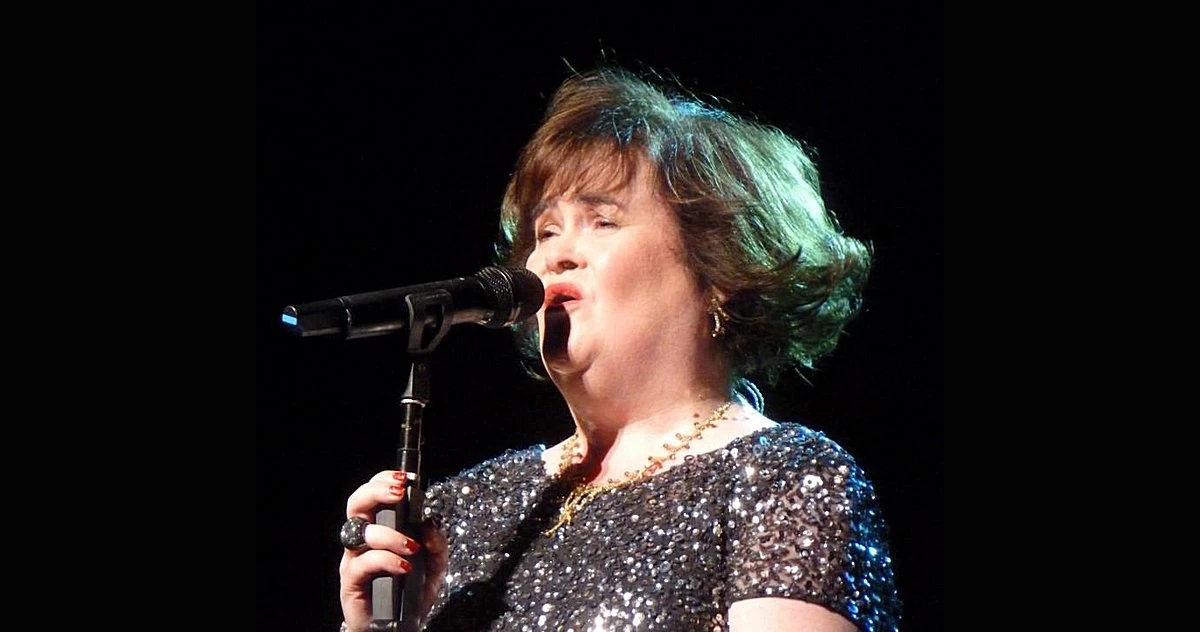
Susan Boyle et l'autisme : son diagnostic d'Asperger tardif
En 2009, le monde entier découvrait Susan Boyle sur la scène de Britain's Got Talent — et se moquait d'elle avant même qu'elle chante. Quatre ans plus tard, dans une interview accordée au Guardian, elle révélait pour la première fois un diagnostic qui éclairait rétrospectivement toute son enfance : le syndrome d'Asperger.

Ailleurs en France : l'autisme en Île-de-France
Premier article d'une nouvelle série : après avoir comparé l'accompagnement de l'autisme entre pays, on tourne maintenant le regard vers l'intérieur — région par région, en commençant par l'Île-de-France, le territoire historique du Silence des Justes. Contrairement à la série internationale, la loi est ici rigoureusement identique partout en France. Ce qui change, en revanche, c'est le temps qu'il faut pour qu'elle s'applique concrètement — et cet écart peut déjà se creuser entre deux départements voisins de la même région.

L’autisme chez les adultes : Qu’est-ce qui change ?
L’inclusion des personnes autistes sur le marché du travail passe par la compréhension des défis liés à l’emploi et la valorisation de leurs compétences spécifiques. Cet article met en lumière à la fois les obstacles courants rencontrés dans la recherche d’emploi et les réussites inspirantes, montrant qu’avec des aménagements adaptés et une meilleure sensibilisation, l’emploi des personnes autistes peut être une réalité bénéfique pour tous.