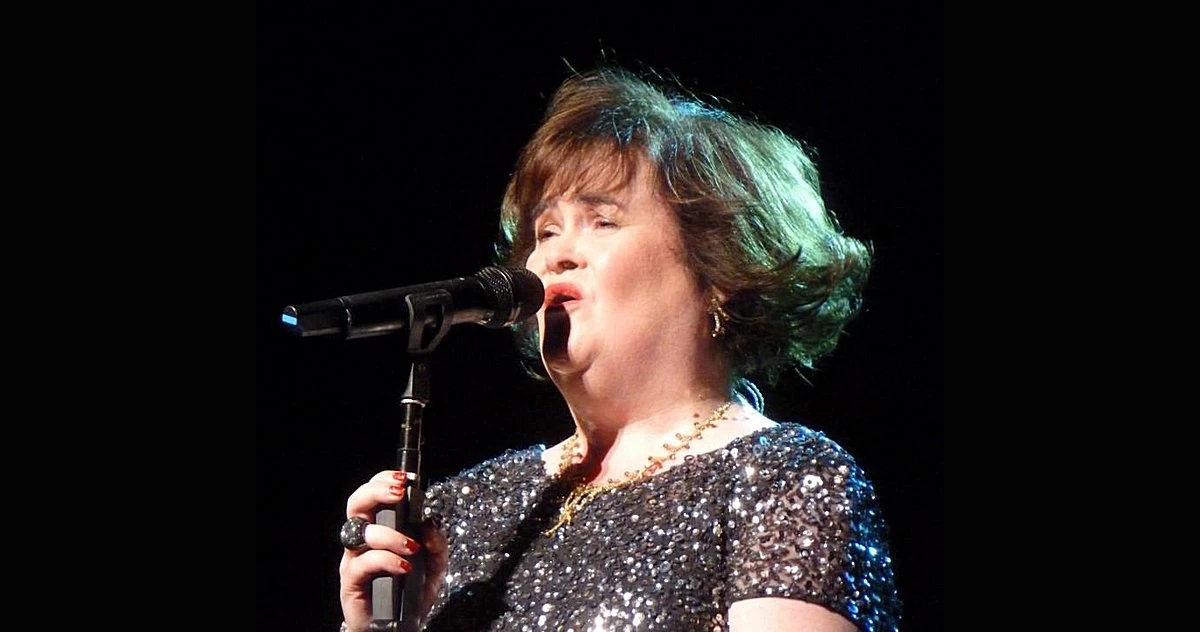
En 2009, le monde entier découvrait Susan Boyle sur la scène de Britain's Got Talent — et se moquait d'elle avant même qu'elle chante. Quatre ans plus tard, dans une interview accordée au Guardian, elle révélait pour la première fois un diagnostic qui éclairait rétrospectivement toute son enfance : le syndrome d'Asperger.
Jugée avant d'avoir chanté
Le jour de son audition, Susan Boyle est accueillie par des rires et des regards condescendants — avant même la première note. Puis elle chante I Dreamed a Dream, et la salle change de visage en quelques secondes.
L'audition de 2009, telle que référencée par The Guardian.
Ce contraste — le jugement immédiat, puis la sidération — est devenu malgré elle le symbole de ce que l'audition avait révélé au grand jour : à quel point une première impression peut être trompeuse.
Un diagnostic qui a tout éclairé, quatre ans plus tard
Pendant des années, la presse a évoqué chez elle des « lésions cérébrales » ou une « lenteur » liées à des complications à la naissance. Interrogée par le Guardian en 2013, elle nuance elle-même ce récit :
« Certains articles ont dit que j'avais des lésions cérébrales. […] J'ai toujours su qu'on m'avait imposé une étiquette injuste. »
— Susan Boyle, interview au Guardian/The Observer, 8 décembre 2013
Un an avant cette interview, elle consulte un spécialiste écossais, qui établit que son QI est supérieur à la moyenne. Le diagnostic tombe : le syndrome d'Asperger, une forme d'autisme à haut niveau de fonctionnement affectant principalement les interactions sociales et la communication.
« J'ai le syndrome d'Asperger. […] C'est un soulagement. »
— Susan Boyle, ibid.
Une carrière qui n'a jamais faibli
Le diagnostic n'a rien freiné : au moment de cette interview, Susan Boyle avait déjà vendu 14 millions d'albums en 14 mois, devenant la première artiste féminine britannique — suivie seulement par Adele — à placer un album n°1 simultanément au Royaume-Uni et aux États-Unis. Elle tenait aussi un rôle dans le film The Christmas Candle, et Fox Searchlight développait à l'époque un biopic sur sa vie, avec Meryl Streep en tête de leur liste de souhaits pour l'incarner.
Le rôle de sa mère, et une autre bataille silencieuse
Dans l'interview, Susan Boyle revient aussi sur la place centrale qu'a occupée sa mère, Bridget, décédée juste avant le début de son succès :
« J'avais fait une promesse à ma mère : que je ferais quelque chose de ma vie. »
— Susan Boyle, ibid.
Le deuil a été violent :
« J'ai senti comme si le lien avait été rompu émotionnellement, et je ne savais plus quoi faire. J'ai perdu du poids, ma maison est devenue un peu en désordre. J'ai dû faire appel aux services sociaux. Je n'arrivais plus à faire face du tout. »
— Susan Boyle, ibid.
L'interview révèle aussi qu'elle a traversé des épisodes de dépression plus jeune — un sujet qu'elle aborde sans détour :
« Ce n'est pas de l'indulgence envers soi-même. C'est un processus négatif, mais si vous arrivez à le transformer en quelque chose de positif, ça vous rend plus fort. Croyez-moi. »
— Susan Boyle, ibid.
Ce que son histoire nous apprend
Enfant, elle était surnommée « Susie Simple » à l'école — un surnom qui dit beaucoup sur la façon dont sa différence a longtemps été mal comprise, avant d'avoir un nom. Elle-même résume ce que ce diagnostic a changé :
« Le syndrome d'Asperger ne me définit pas. C'est une condition avec laquelle je dois vivre et que je dois apprendre à gérer, mais je me sens plus apaisée avec moi-même. Les gens comprendront mieux qui je suis et pourquoi j'agis comme je le fais. »
— Susan Boyle, The Guardian/The Observer, 8 décembre 2013
- Un diagnostic d'autisme peut arriver à tout âge, y compris après une vie entière de succès apparent.
- Chez les femmes en particulier, l'autisme est souvent masqué ou mal identifié pendant des années.
- Pour Susan Boyle elle-même, ce diagnostic tardif a été vécu comme un soulagement, pas un fardeau.
Si l'histoire de Susan Boyle vous parle, ou si vous vous reconnaissez dans un diagnostic tardif, n'hésitez pas à nous contacter — vous n'êtes pas seul(e).
Source : Catherine Deveney, « Susan Boyle: 'I have Asperger's' », The Guardian/The Observer, 8 décembre 2013.
— ◆ —
Chaque don compte
Votre soutien permet à l'association de poursuivre son accompagnement auprès des personnes autistes et de leurs familles.
Nous SoutenirVous aimerez aussi

Journée mondiale de sensibilisation à l’autisme
La Journée mondiale de sensibilisation à l’autisme vise à promouvoir la compréhension, l’acceptation et l’inclusion des personnes autistes dans la société. Elle offre l’occasion de sensibiliser le public aux réalités du spectre autistique, de mettre en lumière les défis rencontrés et de valoriser les actions en faveur d’une meilleure intégration au quotidien.

Comment expliquer l’autisme aux enfants ?
Expliquer l’autisme aux enfants peut aider à développer empathie, compréhension et respect dès le plus jeune âge. Cet article propose des approches simples et adaptées pour parler du spectre autistique avec les enfants, en utilisant des exemples concrets et un langage accessible afin de favoriser une attitude bienveillante et inclusive envers les personnes autistes.

Autisme et scolarisation en France : les chiffres de la rentrée
Chaque rentrée de septembre, la même question revient pour des dizaines de milliers de familles : mon enfant autiste aura-t-il une place, un accompagnement, une scolarité qui lui convient vraiment ? Derrière cette question individuelle se cache une réalité nationale faite de progrès réels et de tensions persistantes. Voici ce que disent les chiffres.