

Les meilleurs moyens de soutenir une personne autiste sont de rester ouvert et empathique, de se renseigner sur le trouble et d'écouter activement ses besoins.
Les meilleurs moyens de soutenir une personne autiste sont de rester ouvert et empathique, de se renseigner sur le trouble et d'écouter activement ses besoins. Il est également essentiel d'éduquer les membres de la famille et les amis pour favoriser la compréhension mutuelle et l'inclusion.
En plus de ces facteurs clés, il est important d'établir des routines structurées, d'être patient et compréhensif face aux difficultés de communication, et de considérer des options thérapeutiques appropriées comme l'ABA (Analyse Appliquée du Comportement) ou la thérapie par le jeu. Enfin, il est crucial d'encourager les interactions sociales positives et de promouvoir un environnement inclusif permettant à la personne autiste de s'épanouir pleinement.
Permettez-moi de vous raconter une histoire qui illustre l'importance du soutien dans la vie d'une personne autiste. J'ai un ami proche qui a été diagnostiqué autiste à l'âge de cinq ans. Son parcours a été semé de défis, mais grâce au soutien inconditionnel de sa famille et de ses amis proches, il a réussi à surmonter ces difficultés et à réaliser son plein potentiel. Leur amour, leur compréhension et leur acceptation inconditionnels lui ont permis d'acquérir les compétences sociales nécessaires pour mener une vie épanouissante. Aujourd'hui, il est un exemple inspirant pour tous ceux qui le côtoient.
Pour soutenir un ami autiste, je lui propose de mettre de côté nos conversations téléphoniques et de passer directement à la télépathie. Cela évitera de perdre du temps à expliquer mes sarcasmes !
Comprendre l'autisme
Pour pouvoir soutenir efficacement un ami ou un membre de la famille atteint d'autisme, il est essentiel de comprendre pleinement ce que cela signifie. Dans cette section, nous allons examiner la définition de l'autisme ainsi que les caractéristiques couramment associées à cette condition. Cela nous permettra de mieux comprendre les défis auxquels les personnes autistes sont confrontées et de développer des stratégies de soutien adaptées.
Définition de l'autisme
Le trouble du spectre de l'autisme (TSA) est une condition neuro-développementale qui altère la perception et les interactions avec le monde qui nous entoure. Les individus atteints de TSA rencontrent souvent des difficultés dans les domaines de la communication sociale, des interactions sociales et du comportement. Ils peuvent également avoir des intérêts restreints ou répétitifs.
Une caractéristique essentielle du TSA réside dans la variabilité significative de la sévérité des symptômes et des défis auxquels chaque personne peut faire face. Certains individus avec un TSA sont relativement indépendants et parviennent à vivre de manière autonome, tandis que d'autres ont besoin d'un soutien intensif tout au long de leur vie.
Il est important de noter que le TSA n'a pas de cause unique connue et qu'il implique des facteurs génétiques, environnementaux et neurologiques complexes. Bien que certains signes puissent être détectés dès l'enfance, seul un professionnel qualifié dans le domaine de la santé mentale peut établir un diagnostic précis.
En ce qui concerne le soutien aux personnes atteintes de TSA, différentes approches thérapeutiques et interventions éducatives peuvent aider à développer les compétences adaptatives nécessaires pour faire face aux défis quotidiens. Cela peut inclure l'utilisation de stratégies d'apprentissage visuel, l'encouragement des compétences en communication fonctionnelle et la création d'environnements structurés.
Il est également crucial de sensibiliser le grand public au TSA afin de favoriser l'inclusion et la compréhension. En étant conscients des personnes atteintes de TSA, nous pouvons créer une société plus inclusive qui reconnaît et valorise les contributions uniques de chacun. Après tout, qui a besoin d'empathie quand on peut se consacrer à compter les grains de sable sur une plage et oublier la conversation ennuyeuse autour de nous ?
Caractéristiques communes de l'autisme
Caractéristiques courantes de l'autisme
L'autisme est un trouble du développement qui présente des caractéristiques distinctives. Voici cinq points clés pour comprendre les traits courants de l'autisme :
| - Les capacités de communication et d'interaction sociale sont altérées. |
|---|
| - Les comportements répétitifs et les intérêts restreints sont fréquents. |
| - La sensibilité sensorielle peut être accrue ou diminuée. |
| - Les difficultés dans la compréhension et l'utilisation du langage sont présentes. |
| - Une résistance aux changements et une attachement à la routine sont observées. |
En plus de ces caractéristiques communes, il est important de noter que chaque personne atteinte d'autisme présente des différences uniques dans son expérience et son comportement. Ces variations individuelles contribuent à la richesse et à la diversité de l'autisme, ce qui nous apprend à valoriser la neurodiversité.
Pour soutenir les personnes autistes, il est essentiel d'adopter une approche centrée sur leurs besoins spécifiques. Il peut être utile de créer un environnement structuré, de fournir des supports visuels pour faciliter la communication, d'encourager les activités adaptées à leurs intérêts particuliers, et d'être patients et respectueux face à leurs besoins sensoriels spéciaux.
En comprenant mieux les caractéristiques communes des personnes autistes, nous pouvons travailler ensemble pour créer une société plus inclusive où chacun fait partie intégrante. Lorsqu'il s'agit de soutenir une personne autiste, rappelez-vous que le super-héros du cœur est toujours plus puissant que le super-héros du cerveau.
Soutenir une personne autiste
Pour soutenir un ami ou un membre de la famille qui est autiste, il est important de s'informer sur l'autisme, de créer un environnement favorable, de communiquer de manière efficace, d'offrir un soutien émotionnel et d'encourager l'indépendance. En suivant ces conseils, vous pourrez offrir le meilleur soutien possible à votre proche autiste, sans ajouter de pression ou de confusion supplémentaires.
S'informer sur l'autisme
L'éducation sur l'autisme est essentielle pour soutenir les individus autistes. Pour mieux comprendre l'autisme, il est recommandé d'explorer des ressources fiables et de se familiariser avec les caractéristiques de ce trouble du spectre autistique complexe.
Voici quelques conseils pour approfondir vos connaissances sur l'autisme :
| - Familiarisez-vous avec les signes précoces de l'autisme et apprenez à les reconnaître. |
|---|
| - Explorez les différentes méthodes d'intervention et de communication utilisées par les personnes autistes. |
| - Informez-vous sur les besoins spécifiques des personnes autistes dans différents contextes, tels que l'école, le travail et la vie quotidienne. |
Chaque individu autiste est unique, avec ses propres forces et défis. Il est donc important de s'adapter à leurs besoins spécifiques afin de favoriser leur inclusion sociale et leur bien-être.
Lors de votre parcours d'apprentissage sur l'autisme, n'hésitez pas à consulter des professionnels spécialisés dans le domaine pour obtenir des conseils personnalisés adaptés à votre situation. Ils pourront vous guider de manière appropriée.
Enfin, rien ne vaut un environnement de soutien pour les jours difficiles, excepté peut-être un oreiller en mousse à mémoire de forme.
Créer un environnement favorable
Créer un environnement favorable est essentiel pour soutenir une personne autiste. Voici quelques points clés pour créer cet environnement :
| - Il est crucial de comprendre les besoins spécifiques de la personne autiste afin de pouvoir adapter l'environnement en conséquence. |
|---|
| - Offrir une présence bienveillante et rassurante peut aider à créer un environnement sécurisé où la personne autiste se sentira soutenue. |
| - Établir une routine cohérente et prévisible peut aider à réduire l'anxiété et à favoriser le bien-être de la personne autiste. |
| - En tenant compte des sensibilités sensorielles individuelles, comme le bruit ou la lumière, il est possible d'adapter l'environnement pour qu'il soit plus confortable. |
En complément de ces points, il est important d'encourager la communication ouverte et non-judgmentaire avec la personne autiste, ainsi que de promouvoir l'inclusion sociale dans tous les aspects de sa vie.
De plus, selon une étude menée par le Centre national des ressources sur l'autisme, un environnement bien soutenu a été associé à davantage d'autonomie et de réussite chez les personnes autistes. Tweeting at them won't solve their communication challenges, but hey, at least it's 280 characters or less!
Communiquer efficacement
Communiquer de manière efficace
Lorsque l'on soutient une personne autiste, il est essentiel de communiquer de manière efficace. Cela implique d'utiliser des méthodes de communication adaptées à leurs besoins et capacités spécifiques. En utilisant des stratégies visuelles telles que des images ou des calendriers visuels, nous pouvons aider à faciliter la compréhension et l'expression de la personne autiste.
Adaptation du langage pour une meilleure communication
En plus des stratégies visuelles, il est également important d'adapter notre langage lorsque nous communiquons avec une personne autiste. Cela peut inclure l'utilisation de phrases courtes et simples, ainsi que la répétition de mots clés pour renforcer la compréhension. En outre, il est essentiel d'être patient et attentif aux signes non verbaux tels que le langage corporel et les expressions faciales.
Encourager l'autonomie dans la communication
Il est également crucial d'encourager l'autonomie dans la communication pour les personnes autistes. Cela signifie leur donner des opportunités de s'exprimer par elles-mêmes, même si cela prend plus de temps ou se fait via des moyens alternatifs tels que l'utilisation d'un dispositif de communication augmentative et alternative (CAA). L'objectif est de permettre à chaque individu autiste de communiquer efficacement selon ses propres capacités.
Un fait intéressant : Selon le Centre national pour les troubles du spectre autistique (CNSA), une approche centrée sur la famille dans le soutien aux personnes autistes a été associée à de meilleurs résultats en termes de communication et d'apprentissage des compétences sociales.
Besoin de quelqu'un pour vous accompagner lors d'une crise ? Ne cherchez plus, un soutien émotionnel est disponible à votre service. Et non, nous ne remboursons pas les larmes sur nos manches.
Offrir un soutien émotionnel
Fournir un soutien émotionnel est essentiel lorsque vous êtes en relation avec une personne autiste. Comprendre et respecter ses émotions et besoins individuels peut renforcer votre lien. Soyez à l'écoute de ses sentiments sans les juger et validez-les. Trouvez des moyens de l'aider à gérer le stress et l'anxiété, tels que la pratique de techniques de relaxation ou la création d'un espace sûr.
Il est primordial d'être présent pour cette personne. Offrez-lui une épaule sur laquelle se reposer lors des moments difficiles en lui montrant que vous êtes là pour elle, peu importe les circonstances. Respectez son besoin d'espace personnel, mais soyez également disponible pour les discussions ou simplement pour l'écouter.
De plus, il est important de prendre en compte les particularités sensorielles qui peuvent être liées à l'autisme. Certaines personnes peuvent être hypersensibles aux stimuli sensoriels, tandis que d'autres peuvent rechercher une stimulation sensorielle supplémentaire. Établissez une communication claire sur leurs préférences et adaptez l'environnement en conséquence afin de créer un sentiment de confort.
Un exemple concret serait celui d'Alexandre, un adolescent autiste passionné par la musique mais souvent perturbé par les bruits forts de son environnement. Son enseignante a créé un espace calme dans la salle de classe où Alexandre peut se retirer quand il en ressent le besoin. Cette petite modification a fait une grande différence dans sa capacité à se concentrer et à participer pleinement aux activités scolaires.
En offrant un soutien émotionnel adapté et compréhensif, vous pouvez aider une personne autiste à se sentir soutenue et en confiance pour s'épanouir dans tous les aspects de sa vie.
Encourager et promouvoir l'indépendance
Il est essentiel de encourager et favoriser l'indépendance d'un individu autiste pour son développement. Cela peut être réalisé en créant un environnement favorable, en fournissant des encouragements positifs et en offrant des opportunités pour renforcer les compétences nécessaires à l'autonomie.
Pour soutenir efficacement un individu autiste, il est important d'adopter une approche individualisée qui tient compte de ses besoins spécifiques. Favoriser son indépendance contribue à son épanouissement personnel tout en lui donnant les outils nécessaires pour réussir dans différents domaines de sa vie.
Avec votre soutien continu, vous pouvez aider à ouvrir la voie à des opportunités infinies pour les individus autistes. Ne manquez pas la chance de faire une différence dans leurs vies et de les encourager sur le chemin de l'indépendance et du succès. La vie avec une personne autiste est comme résoudre un puzzle en utilisant une connexion WiFi défaillante.
Ressources pour un soutien supplémentaire
Ressources pour un soutien supplémentaire
Pour fournir un soutien supplémentaire à un ami ou à un membre de la famille autiste, les ressources suivantes peuvent être utiles :
| - Rejoindre des groupes de soutien locaux : cela permet de faire partie d'une communauté d'individus partageant les mêmes expériences et d'obtenir des conseils pratiques. |
| - Les organisations caritatives spécialisées : de nombreuses organisations se concentrent sur le soutien et les ressources disponibles pour les personnes autistes et leurs familles. |
| - Les services professionnels : thérapeutes spécialisés dans l'autisme peuvent offrir un soutien médical et émotionnel essentiel. |
| - La littérature spécialisée : des livres, des articles et des sites web spécialisés peuvent fournir des informations et des stratégies utiles pour aider les personnes autistes. |
| - Les ressources en ligne : les plateformes en ligne proposent souvent des forums, des blogs et des vidéos qui permettent de mieux comprendre l'autisme. |
| - Participer à des formations sur l'autisme : cela permet d'acquérir une meilleure compréhension de cette condition et d'apprendre comment apporter un soutien approprié. |
En plus de ces ressources, il est important d'être patient, empathique et respectueux lorsque l'on offre son soutien à une personne autiste. Chaque individu est unique et ce qui fonctionne pour l'un peut ne pas fonctionner pour l'autre. Il est donc essentiel d'être ouvert aux ajustements et aux adaptations pour répondre au mieux à leurs besoins.
J'ai récemment rencontré une mère qui a trouvé du soutien supplémentaire pour son fils autiste en rejoignant un groupe de soutien local. Elle a pu rencontrer d'autres parents dans la même situation, échanger des conseils et recevoir un soutien émotionnel précieux. Cette expérience lui a permis de se sentir moins seule et plus confiante dans sa capacité à accompagner au mieux son enfant autiste.
En conclusion, si votre ami autiste s'égare un peu, ne vous inquiétez pas, ils ont l'habitude de sortir des sentiers battus. Montrez-leur simplement le GPS de l'amour et de la compréhension, et vous serez prêt pour un voyage inoubliable ensemble.
Conclusion
Le paragraphe précédent a exploré différentes manières de soutenir un ami ou un membre de la famille autiste. En conclusion, pour soutenir efficacement une personne autiste, il est essentiel d'adopter une approche compréhensive et bienveillante. Cela implique d'être attentif à leurs besoins spécifiques, de les inclure dans les activités sociales et de leur offrir un soutien émotionnel constant. Il est également important d'informer et d'éduquer les autres membres de la famille et l'entourage sur l'autisme, afin qu'ils puissent contribuer à créer un environnement inclusif pour tous.
Il est recommandé d'utiliser des outils visuels tels que des plannings et des routines pour faciliter la compréhension et la prévisibilité. De plus, il est important de communiquer clairement et concrètement, en évitant le langage abstrait ou métaphorique. Il est bénéfique de s'adapter aux styles de communication préférés de la personne autiste, que ce soit à travers des pictogrammes, des dispositifs technologiques ou des signes gestuels.
Enfin, il est essentiel de faire preuve de patience et d'empathie lorsqu'on soutient une personne autiste. Chaque individu est unique et a ses propres défis et forces. Il est donc nécessaire de prendre le temps de comprendre ses intérêts spécifiques, ses passions et ses compétences afin de pouvoir les encourager et les nourrir.
En conclusion, soutenir un ami ou un membre de la famille autiste demande avant tout une attitude bienveillante, une sensibilisation accrue et une adaptation à leurs besoins spécifiques. En offrant un environnement inclusif, en utilisant des outils de communication adaptés et en étant attentif aux intérêts et compétences individuels, nous pouvons contribuer à améliorer leur qualité de vie et favoriser leur épanouissement.
Questions fréquemment posées
Q: Qu'est-ce que l'autisme ?
R: L'autisme est un trouble du développement qui affecte la communication et les interactions sociales.
Q: Comment puis-je savoir si quelqu'un est autiste ?
R: Les signes peuvent varier, mais certains signes communs de l'autisme comprennent une difficulté à communiquer, un manque d'interaction sociale, des intérêts et des comportements répétitifs et limités.
Q : Que puis-je faire pour soutenir mon ami ou membre de famille autiste ?
R : Écoutez-les, essayez de comprendre leurs sentiments et besoins, réduisez les stimuli sensoriels qui peuvent les mettre mal à l'aise et soyez patient avec eux.
Q : Est-ce que les personnes autistes peuvent réussir dans la vie quotidienne ?
R : Oui, avec un soutien approprié, les personnes autistes peuvent réussir dans de nombreux domaines de la vie quotidienne.
Q : Quelle est la meilleure façon de communiquer avec quelqu'un qui est autiste ?
R : Soyez simple, direct et clair dans votre communication. Évitez les expressions verbales, aidez à structurer les conversations et soyez patient.
Q : Y a-t-il des ressources disponibles pour soutenir les personnes autistes et leur famille ?
R : Oui, il existe de nombreuses organisations et ressources qui peuvent fournir un soutien émotionnel, éducatif et médical pour les personnes autistes et leur famille.
Chaque don compte
Votre soutien permet à l'association de poursuivre son accompagnement auprès des personnes autistes et de leurs familles.
Nous SoutenirVous aimerez aussi

Autisme et scolarisation en France : les chiffres de la rentrée
Chaque rentrée de septembre, la même question revient pour des dizaines de milliers de familles : mon enfant autiste aura-t-il une place, un accompagnement, une scolarité qui lui convient vraiment ? Derrière cette question individuelle se cache une réalité nationale faite de progrès réels et de tensions persistantes. Voici ce que disent les chiffres.

L’importance d’un diagnostic précoce de l’autisme
Un diagnostic précoce de l’autisme est essentiel pour offrir aux enfants un accompagnement adapté dès le plus jeune âge. Cet article explique comment le dépistage rapide permet d’intervenir avec des thérapies spécialisées, de soutenir les familles et de favoriser l’épanouissement social, cognitif et émotionnel des enfants sur le spectre autistique.
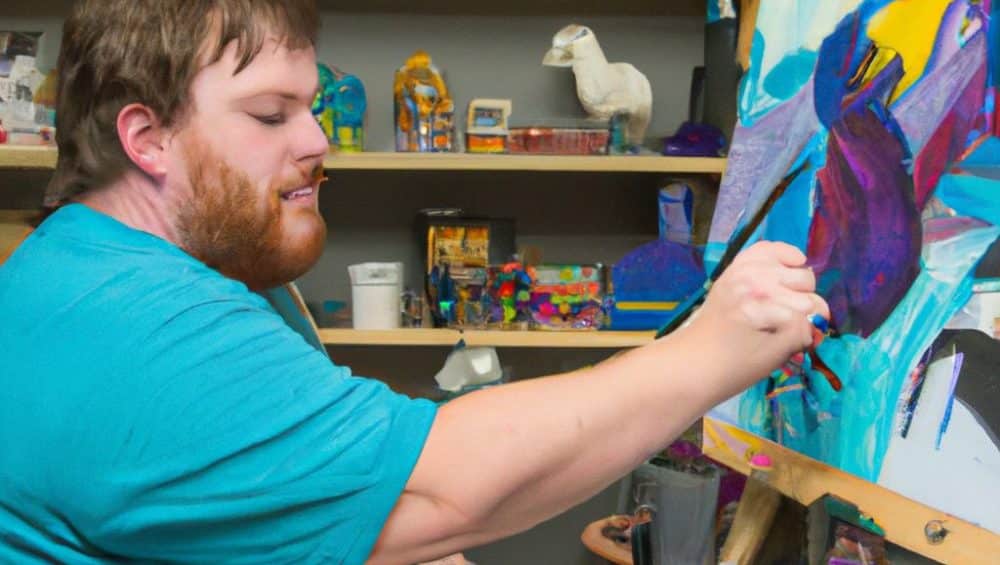
Autisme et art : Comment l’expression créative aide les personnes autistes
L’expression artistique offre une voie précieuse pour les personnes autistes, en favorisant la communication, la créativité et le bien-être émotionnel. Cet article met en avant la manière dont l’art peut aider à explorer des formes d’expression personnelle, renforcer la confiance en soi et offrir un espace d’épanouissement unique pour les personnes sur le spectre autistique.