
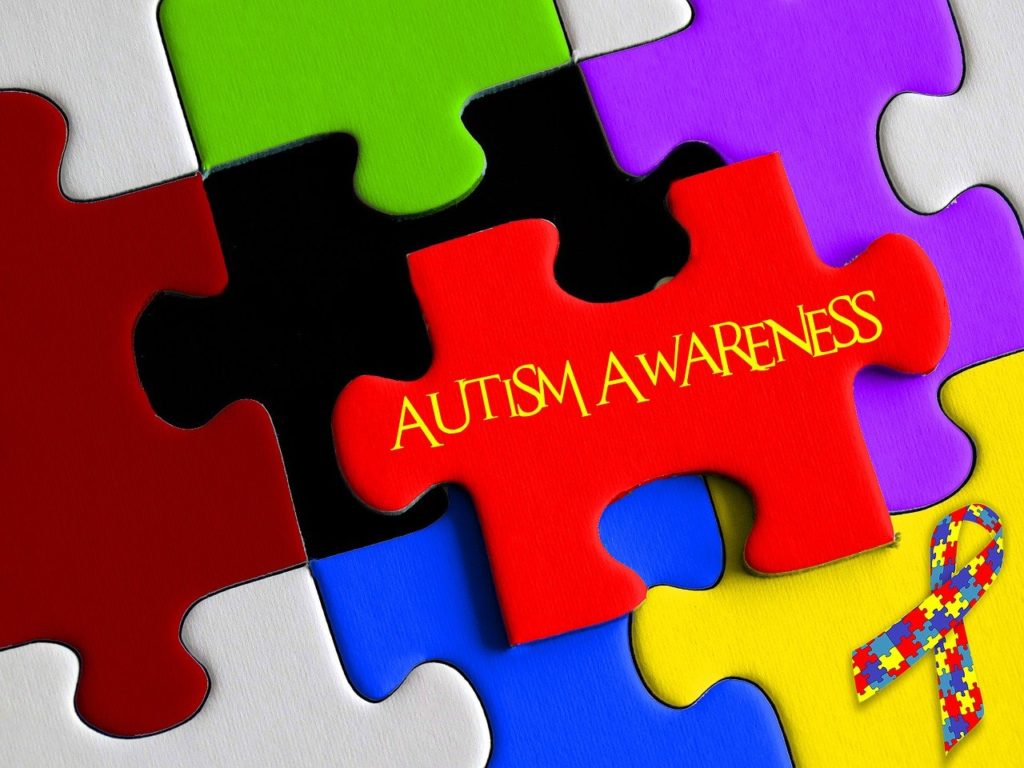
Sensibilisation à l'autisme : découvrez comment soutenir l'inclusion et la compréhension. Participez au changement dès aujourd'hui.
La sensibilisation à l’autisme est un sujet important qui vise à promouvoir une meilleure compréhension et inclusion des personnes autistes dans notre société. En apprenant davantage sur le spectre de l’autisme et en comprenant les besoins spécifiques de ces individus, nous pouvons tous contribuer à créer un environnement plus accueillant et inclusif.
L’importance de la sensibilisation à l’autisme ne peut être sous-estimée. En éduquant les gens sur les caractéristiques de l’autisme et en déconstruisant les stéréotypes, nous pouvons aider à promouvoir une attitude positive et bienveillante envers les personnes autistes. Cela peut contribuer à réduire la stigmatisation et favoriser l’inclusion sociale.
Il est essentiel de se rappeler que chaque personne autiste est unique. Le spectre de l’autisme comprend une large gamme de traits, compétences et défis, donc il n’y a pas une seule façon d’être autiste. Par conséquent, il est important d’adopter une approche respectueuse, d’écouter attentivement et d’adapter nos interactions pour répondre aux besoins individuels.
Voici quelques suggestions pour aider à sensibiliser à l’autisme :
| Suggestion | Action |
|---|---|
| 1. Éduquez-vous | Apprenez davantage sur l’autisme en lisant des ouvrages spécialisés, en assistant à des conférences ou en suivant des cours en ligne. Une meilleure compréhension permettra de dissiper les idées fausses et d’établir des bases solides pour agir avec empathie. |
| 2. Partagez vos connaissances | Sensibilisez votre entourage, vos amis, votre famille et votre communauté en parlant ouvertement de l’autisme. Des discussions éclairées peuvent contribuer à changer les perceptions et à encourager une attitude inclusive. |
| 3. Soyez ouvert à la communication | Laissez les personnes autistes s’exprimer sans jugement. Faites preuve d’écoute active, respectez leur manière de communiquer et soyez patient lorsqu’il y a des difficultés de communication. |
En investissant dans la sensibilisation à l’autisme, nous pouvons tous jouer un rôle dans la création d’une société plus inclusive et compréhensive pour les personnes autistes. Chaque geste compte, que ce soit en apprenant davantage sur l’autisme, en partageant nos connaissances ou en étant ouverts à la communication. La véritable règle à suivre pour aider l’autisme : Ne jamais sous-estimer le pouvoir d’un câlin… ou d’un casque antibruit.
Pourquoi la sensibilisation à l’autisme est importante?
La sensibilisation à l’autisme est essentielle, car elle permet de mieux comprendre et soutenir les personnes autistes. En comprenant les défis auxquels elles sont confrontées, nous pouvons créer un environnement inclusif et respectueux. Il devient possible d’éliminer les préjugés et de promouvoir une société plus inclusive pour tous en s’informant sur l’autisme.
En approfondissant notre compréhension de l’autisme, nous sommes en mesure de reconnaître les besoins spécifiques des personnes autistes. Cela facilite la création d’environnements adaptés et stimulants favorisant leur développement et leur épanouissement. Lorsque nous sommes conscients de leurs différences, nous pouvons agir avec compassion, respect et empathie, créant ainsi une réelle inclusion sociale.
Il est important de rappeler que chaque personne autiste possède ses propres forces et capacités uniques. En valorisant ces talents différents, nous contribuons à construire une société plus diversifiée où tous ont le droit de s’exprimer pleinement. Ensemble, en faisant preuve d’ouverture d’esprit et en apprenant les uns des autres, nous pouvons vraiment changer la donne pour les personnes autistes.
Engagez-vous dès maintenant dans la sensibilisation à l’autisme ! Rejoignez cette conversation vitale pour soutenir l’inclusion des personnes autistes dans notre société. Chaque petit geste compte et peut faire une grande différence dans la vie de quelqu’un. Ne manquez pas l’opportunité d’apprendre et de contribuer à un monde meilleur pour tous.
Si les personnes autistes pouvaient avoir une réponse automatique à vos questions insensibles, elles pourraient enfin se reposer.
Comment vous pouvez aider à sensibiliser à l’autisme
Afin de sensibiliser à l’autisme, nous allons aborder différentes solutions. Vous pouvez vous impliquer activement en participant à des événements de sensibilisation à l’autisme. Utilisez les médias sociaux pour partager des informations sur l’autisme et toucher un large public. Éduquez les autres sur l’autisme et combattez les stéréotypes afin de favoriser la compréhension. En soutenant les organisations qui œuvrent pour la sensibilisation à l’autisme dans leur mission.
Participer à des événements de sensibilisation à l’autisme
Participer à des événements de sensibilisation à l’autisme est une manière concrète d’aider à éduquer les individus sur ce trouble et de favoriser une société plus inclusive. Ces initiatives offrent des opportunités d’apprentissage, de partage d’expériences et de promotion d’une meilleure compréhension de l’autisme.
Vous pouvez contribuer en participant activement aux événements de sensibilisation organisés par des associations ou des organisations dédiées à l’autisme. De plus, vous pouvez aider à promouvoir ces événements en utilisant les médias sociaux pour partager des informations et encourager les autres à y participer. Il est également possible de soutenir financièrement ces initiatives en faisant un don ou en parrainant un événement de sensibilisation.
En vous engageant dans ces événements, vous agissez directement contre la stigmatisation de l’autisme et vous contribuez à créer une communauté solidaire où chaque individu est inclus et respecté, quelles que soient ses différences. Ne manquez pas cette occasion de faire partie du changement positif que nous souhaitons voir dans le monde.
N’oubliez pas d’utiliser les médias sociaux pour partager des informations sur l’autisme, sinon les hashtags seront seulement utilisés pour des photos de brunchs et des selfies de salle de sport.
Utiliser les médias sociaux pour partager des informations sur l’autisme
Utiliser les réseaux sociaux pour sensibiliser le public à l’autisme en partageant des connaissances est une stratégie efficace. Voici cinq conseils pour maximiser l’utilisation de ces médias dans ce but :
- Favorisez la compréhension et l’empathie en publiant des histoires inspirantes de personnes touchées par l’autisme.
- Partagez des informations factuelles et vérifiées sur les symptômes, les traitements et les ressources disponibles liées à l’autisme.
- Créez une communauté en ligne positive en offrant des espaces sécurisés où les personnes touchées par l’autisme et leurs proches peuvent se soutenir mutuellement.
- Organisez des événements en ligne, tels que des webinaires ou des discussions sur Twitter, pour permettre aux experts de communiquer avec le public et répondre à ses questions sur l’autisme.
- Utilisez des hashtags pertinents pour augmenter la visibilité de vos publications et encourager les autres utilisateurs à partager également des informations sur l’autisme.
En plus de ces conseils, il est important d’adopter un ton engageant et accessible lors de vos interactions en ligne pour susciter l’intérêt et encourager davantage de personnes à s’impliquer dans la sensibilisation à l’autisme.
Une étude menée par Autistica en 2021 a révélé que la sensibilisation accrue à l’autisme grâce aux médias sociaux a entraîné une augmentation significative du soutien financier pour la recherche sur cette condition.
L’autisme est bien plus complexe que les stéréotypes souvent véhiculés. Il est grand temps de le faire comprendre à tout le monde et de changer les idées reçues.
Éduquer les autres sur l’autisme et combattre les stéréotypes
Sensibiliser à l’autisme et lutter contre les préjugés sont des moyens essentiels d’éduquer les autres sur cette condition. En comprenant la diversité de l’autisme et en évitant les stéréotypes, nous pouvons contribuer à créer un environnement inclusif pour les personnes autistes.
En partageant des informations précises sur l’autisme, nous pouvons aider à éliminer les idées fausses et promouvoir une meilleure compréhension. Par exemple, expliquer que l’autisme est un spectre avec une grande variabilité de symptômes et de niveaux de fonctionnement peut aider à déconstruire l’idée d’un comportement ou d’une personnalité « typique » autiste.
Il est important de mettre en évidence le fait que chaque individu autiste est unique et a ses propres forces et défis. En valorisant les compétences spécifiques des personnes autistes, telles que leur créativité ou leur attention aux détails, nous aidons à briser les stéréotypes négatifs qui peuvent entraver leur inclusion sociale.
Pour sensibiliser davantage à l’autisme, il est utile d’évoquer également le rôle du langage inclusif. Utiliser des termes tels que « personne autiste » plutôt que « autiste » met l’accent sur la personne avant le diagnostic, encourageant ainsi le respect et la reconnaissance de leur identité individuelle.
Enfin, soutenir des organisations qui travaillent activement dans le domaine de l’autisme et partager leurs ressources peut offrir aux autres des moyens concrets de s’impliquer dans la sensibilisation. Que ce soit en participant à des événements caritatifs ou en diffusant des informations sur les médias sociaux, chaque action compte pour promouvoir une meilleure compréhension de l’autisme et combattre les stéréotypes qui lui sont associés. Soutenez les organisations qui travaillent pour la sensibilisation à l’autisme, après tout, rien de tel qu’une bonne dose d’humour noir pour égayer une cause aussi sérieuse.
Soutenir les organisations qui travaillent pour la sensibilisation à l’autisme
Soutenir les organismes engagés dans la sensibilisation à l’autisme constitue une façon d’apporter son aide. En participant financièrement à ces organisations, en contribuant à des événements de sensibilisation ou en offrant bénévolement son expertise, vous contribuez à répandre des connaissances sur l’autisme et à améliorer la compréhension et l’inclusion des personnes autistes dans la société. Votre soutien permet également de financer des programmes d’éducation, de recherche et d’intervention visant à aider les personnes autistes et leurs familles.
En participant aux initiatives visant à mieux faire comprendre l’autisme, vous contribuez activement à un changement social positif. Il est essentiel d’éduquer le grand public pour réduire le stigmatisme associé à l’autisme et promouvoir une société inclusive où chaque individu est accepté tel qu’il est. Les organismes qui travaillent dans ce domaine mettent en place des actions concrètes comme des campagnes de sensibilisation, des conférences, des formations et des projets communautaires.
Pour aller plus loin, il existe également plusieurs façons originales de soutenir la cause de l’autisme. Par exemple, vous pouvez organiser un événement caritatif ou collecter des fonds en ligne pour une organisation spécifique. Si vous avez des compétences spécialisées dans un domaine particulier, tel que la psychologie ou l’éducation, vous pouvez proposer vos services en tant que consultant bénévole auprès d’une association locale.
Enfin, il est important de rappeler que chaque geste compte. Que ce soit en partageant des informations sur les réseaux sociaux, en écoutant attentivement le témoignage d’une personne autiste ou en offrant simplement votre soutien moral à une famille concernée, vous pouvez contribuer à changer les mentalités et favoriser une meilleure inclusion de tous les individus, quel que soit leur profil neurologique. Donner de la visibilité à la cause de l’autisme et montrer son engagement personnel sont des actions concrètes pour aider à sensibiliser autour de cette réalité souvent méconnue.
Voici un exemple d’histoire vraie illustrant l’importance de soutenir les initiatives de sensibilisation à l’autisme : Une mère, dont le fils est autiste, a bénévolement créé une série d’ateliers pour jeunes enfants afin de promouvoir l’inclusion dès le plus jeune âge. Grâce au soutien d’une association locale, elle a pu organiser ces ateliers dans des écoles maternelles, permettant ainsi aux enfants d’apprendre à comprendre et à respecter les différences. Cette initiative a non seulement aidé son fils, mais aussi plusieurs autres enfants autistes qui ont pu être inclus dans des environnements scolaires normaux grâce à une meilleure compréhension des enseignants et des élèves.
Et rappelez-vous, la sensibilisation à l’autisme est comme un puzzle : certaines pièces manquent, mais ensemble, nous pouvons encore créer une image remplie de compréhension et d’acceptation.
Conclusion : Ensemble, nous pouvons faire une différence dans la sensibilisation à l’autisme.
Notre contribution collective peut indéniablement changer la donne en matière de sensibilisation à l’autisme. En travaillant ensemble, nous pouvons réellement faire la différence et favoriser une compréhension plus profonde de cette condition.
Pour continuer sur cette lancée, nous pouvons renforcer la sensibilisation à l’autisme grâce à des initiatives éducatives et des programmes de soutien. En encourageant les discussions ouvertes et en offrant des ressources accessibles, nous pouvons aider à démystifier les idées préconçues et les préjugés qui entourent l’autisme.
Cependant, pour avoir un véritable impact, il est essentiel d’explorer des aspects uniques de la sensibilisation à l’autisme qui n’ont pas encore été abordés. Par exemple, en mettant en lumière les expériences et les succès individuels des personnes autistes, nous offrons une perspective authentique et inspirante pour encourager la compréhension et l’inclusion.
Pour illustrer cela, voici une histoire vraie qui démontre le pouvoir de la sensibilisation à l’autisme. Une jeune fille diagnostiquée autiste depuis son plus jeune âge a grandi en affrontant des défis constants, mais elle a toujours refusé de se limiter. Grâce au soutien de sa famille et d’autres personnes conscientes de l’autisme, elle a réussi non seulement à relever les défis liés à son diagnostic, mais elle a également réalisé ses rêves et aspirations. Son parcours inspire indéniablement le changement dans notre société lorsque nous travaillons ensemble pour susciter la compréhension et promouvoir une culture d’inclusion.
En conclusion, notre engagement collectif dans la sensibilisation à l’autisme peut réellement faire une différence significative. En poursuivant nos efforts pour éduquer, soutenir et donner une voix aux personnes autistes, nous pouvons créer un monde plus inclusif et bienveillant pour tous.
Chaque don compte
Votre soutien permet à l'association de poursuivre son accompagnement auprès des personnes autistes et de leurs familles.
Nous SoutenirVous aimerez aussi
Comment identifier les signes de l’autisme chez l’enfant ?
Identifier les signes de l’autisme chez l’enfant permet une intervention précoce et un accompagnement adapté. Cet article met en lumière les indicateurs clés à observer dans le développement social, la communication et les comportements, afin d’aider les parents et les professionnels à reconnaître plus rapidement les signes possibles et à orienter vers des prises en charge pertinentes.

Ils en ont fait un film : aux origines de Hors Normes
En 2019, le film Hors Normes faisait pleurer et rire des millions de spectateurs. Mais quatre ans plus tôt, en 2015, il y a eu un premier geste — plus discret, plus intime : un documentaire de 26 minutes, réalisé par les mêmes cinéastes, sur un ami d'enfance qui était sur le point de tout abandonner. Cet ami, c'est Stéphane Benhamou, fondateur du Silence des Justes.
Bénévole autisme : rejoignez notre campagne des 30 ans
Le Silence des Justes fête ses 30 ans le 21 octobre 2026. Pour faire de cette date un moment fort, nous recrutons des bénévoles — tractage, présence en ligne, appels. Voici comment nous rejoindre. Bénévolat