Identifier précocement les signes de l'autisme chez les enfants est crucial pour un diagnostic et une intervention efficaces.
Identifier précocement les signes de l'autisme chez les enfants est crucial pour un diagnostic et une intervention efficaces. Les parents et les professionnels peuvent observer certains comportements qui pourraient indiquer la présence de l'autisme. Par exemple, un enfant qui ne montre que peu ou pas d'intérêt pour les jeux sociaux, éprouve des difficultés à établir un contact visuel ou ne réagit pas aux sourires ou aux appels du nom, pourrait présenter des signes. Ces comportements, associés à des retards dans le développement verbal et moteur, devraient attirer une attention particulière.
Il existe également d'autres indicateurs subtils que les parents devraient surveiller chez leurs enfants. Un langage atypique, tel qu'une utilisation limitée des mots, une répétition excessive de phrases ou des difficultés à comprendre le langage figuré, peut indiquer un trouble du spectre autistique. Les stéréotypies, comme le balancement du corps ou le tapotement des mains, peuvent également être observées chez certains enfants atteints d'autisme. Il est important de noter que chaque enfant est unique et peut présenter différents symptômes, il est donc crucial de faire évaluer l'enfant professionnellement si vous pensez qu'il présente des signes d'autisme.
En plus d'identifier les signes précurseurs, il existe quelques suggestions pratiques pour aider les enfants atteints d'autisme à s'épanouir. La première consiste à encourager la communication en utilisant des supports visuels tels que des images ou des pictogrammes pour renforcer la compréhension verbale. L'utilisation de routines structurées peut également aider à créer un sentiment de sécurité et faciliter l'apprentissage. Enfin, l'implication dans des activités sensorielles telles que la musique ou le mouvement peut être bénéfique pour stimuler la sensibilité sensorielle et la coordination motrice.
En conclusion, il est essentiel de savoir repérer les signes de l'autisme chez les enfants afin de leur offrir un soutien approprié dès leur plus jeune âge. Les parents et les professionnels doivent être attentifs aux comportements atypiques, tels que les difficultés sociales, le langage atypique et les stéréotypies. En utilisant des stratégies de communication adaptées et en favorisant une routine structurée, il est possible d'aider ces enfants à développer leurs compétences et à s'épanouir pleinement.
Protip : Si votre enfant passe plus de temps à aligner ses jouets qu'à y jouer, vous pouvez commencer à penser qu'il a un talent caché... Ou de l'autisme.
Importance de l'identification précoce de l'autisme chez les enfants
Il est essentiel de repérer précocement les signes de l'autisme chez les enfants pour favoriser leur développement optimal. En identifiant rapidement ces signaux, nous pouvons prendre les mesures appropriées pour offrir le soutien nécessaire et faciliter leur intégration sociale et scolaire.
Il est crucial de comprendre que chaque enfant autiste est unique, ce qui rend l'identification précoce d'autant plus importante. Les symptômes peuvent varier considérablement d'un enfant à l'autre, mais certains indicateurs courants incluent des difficultés dans la communication verbale et non verbale, des problèmes sensoriels et des comportements répétitifs. Pour être attentifs à ces signes précoces, les parents, les éducateurs et les professionnels de la santé peuvent intervenir rapidement en mettant en place un plan d'intervention adapté.
De plus, une identification précoce permet aux familles d'accéder plus tôt aux ressources spécialisées et aux thérapies nécessaires. De nombreuses approches thérapeutiques ont prouvé leur efficacité pour améliorer les compétences sociales, la communication et le fonctionnement global des enfants autistes. Ainsi, une intervention précoce contribue grandement à améliorer la qualité de vie des enfants atteints d'autisme.
Pour soutenir cette identification précoce, il est essentiel que les parents soient attentifs au développement de leur enfant dès son plus jeune âge. Il peut être bénéfique d'observer attentivement ses interactions sociales, ses capacités langagières et ses comportements sensoriels. En cas de doute, il est recommandé de consulter un professionnel de la santé spécialisé dans l'autisme pour une évaluation plus approfondie.
En conclusion, repérer rapidement les signes de l'autisme chez les enfants est crucial pour leur offrir le soutien adéquat et favoriser leur développement optimal. En étant attentifs et réactifs dès les premiers signaux, les familles peuvent mettre en place des interventions adaptées et offrir à leurs enfants autistes toutes les chances de s'épanouir pleinement.
Qui a besoin d'une boule de cristal quand on peut simplement observer les signes précurseurs de l'autisme chez les enfants ? Ce n'est pas de la magie, c'est juste de l'observation !
Signes précurseurs de l'autisme chez les nourrissons et les jeunes enfants
Les signes précurseurs de l'autisme chez les nourrissons et les jeunes enfants peuvent être identifiés grâce à des indicateurs comportementaux spécifiques. Un manque d'interaction sociale, des troubles de la communication verbale et non verbale, des intérêts et comportements répétitifs, ainsi que des difficultés sensorielles peuvent faire partie de ces signes. Il est important de rester attentif à ces signes dès le plus jeune âge, car une intervention précoce peut améliorer les résultats à long terme.
Voici cinq points clés pour reconnaître les signes précoces de l'autisme chez les nourrissons et les jeunes enfants : premièrement, une difficulté à établir un contact visuel et un manque de sourire en réponse aux stimuli sociaux ; deuxièmement, un retard dans le développement du langage ou une absence totale de parole ; troisièmement, des comportements répétitifs tels que se balancer d'avant en arrière ou tourner en rond ; quatrièmement, une sensibilité extrême aux stimuli sensoriels tels que le son, la lumière ou le toucher ; et enfin, une difficulté à comprendre et à répondre aux émotions des autres.
En plus de ces signes précurseurs courants, il est important de noter qu'ils peuvent varier d'un enfant à l'autre. Certains enfants autistes peuvent avoir des capacités exceptionnelles dans certains domaines, tels que la musique ou les mathématiques. Il est donc crucial d'observer attentivement le comportement global de l'enfant pour détecter tout indice d'autisme.
Lorsqu'il s'agit d'identifier les signes précoces de l'autisme chez les nourrissons et les jeunes enfants, chaque observation compte. Parmi ces signes, se cache peut-être le potentiel extraordinaire d'un enfant à développer certaines compétences. En étant attentif à ces signes et en recherchant un soutien dès que possible, nous pouvons aider les enfants autistes à s'épanouir et à atteindre leur plein potentiel.
Il faut également noter que chez les enfants d'âge préscolaire, s'ils sont vraiment doués pour se cacher dans leur propre monde, cela peut être un signe d'autisme.
Signes spécifiques de l'autisme chez les enfants d'âge préscolaire
Les enfants d'âge préscolaire qui présentent des signes inhabituels doivent être surveillés, car cela pourrait indiquer un potentiel trouble du spectre autistique. Il est essentiel de reconnaître certains comportements précoce tels que des difficultés de communication, des interactions sociales limitées et des intérêts restreints.
Les difficultés de communication peuvent se manifester de différentes manières. Par exemple, il peut y avoir un retard ou une absence de langage verbal, des difficultés à comprendre ou à utiliser le langage non verbal, ainsi que des difficultés à initier ou à entretenir une conversation.
Les interactions sociales limitées sont également un signe à prendre en compte chez les enfants d'âge préscolaire. Cela peut se traduire par un manque d'intérêt pour les jeux partagés avec les autres enfants, une déficience dans la compréhension des émotions et des expressions faciales, ainsi qu'une tendance à se retirer socialement.
Les intérêts restreints sont un autre aspect à surveiller chez les enfants d'âge préscolaire. Cela peut se manifester par une fixation intense sur certains objets ou sujets d'intérêt spécifiques, ainsi qu'une résistance au changement et à l'imprévisibilité.
Il est important de noter que chaque enfant est unique et peut présenter ces signes à différents degrés. Si vous observez certains de ces comportements persistants chez votre enfant, il est recommandé de consulter un professionnel pour obtenir une évaluation approfondie.
Il est conseillé d'être attentif aux signaux précoces d'autisme chez les tout-petits et de rechercher un soutien spécialisé si nécessaire. La détection précoce peut permettre une intervention précoce et un meilleur pronostic pour le développement de l'enfant. Une liste de symptômes peut vous donner l'impression d'être un détective en train de traquer un serial consultant médical.
Signes de l'autisme chez les enfants d'âge scolaire
Les signes de l'autisme chez les enfants d'âge scolaire peuvent être identifiés par différents indicateurs. Les difficultés dans les interactions sociales, les comportements répétitifs et restreints, les troubles de la communication verbale et non verbale, ainsi que les problèmes de traitement sensoriel sont présents chez les enfants atteints d'autisme. La combinaison et l'intensité de ces signes peuvent varier d'un enfant à l'autre.
Certains enfants atteints d'autisme peuvent avoir du mal à établir et à maintenir des relations sociales avec leurs pairs. Ils peuvent éviter le contact visuel, avoir des difficultés à comprendre les émotions ou à partager leurs propres émotions. Les comportements répétitifs, tels que se balancer d'avant en arrière, tourner en rond ou jouer avec des objets de manière répétitive, sont également courants chez les enfants autistes. Les troubles de la communication peuvent inclure un retard ou une absence de langage verbal, une utilisation inhabituelle du langage (comme répéter les phrases d'autres personnes) ou une difficulté à comprendre le langage social. Certains enfants atteints d'autisme peuvent être hypersensibles ou hyposensibles aux stimuli sensoriels tels que la lumière, le bruit ou le toucher. Certains enfants autistes peuvent également présenter des intérêts restreints et obsessionnels, comme se concentrer intensément sur un sujet spécifique ou développer des routines rigides dans leur quotidien.
Il est important de noter que tous ces signes ne doivent pas nécessairement être présents chez chaque enfant autiste. Les symptômes peuvent varier considérablement d'un individu à l'autre. Si vous soupçonnez que votre enfant présente des signes d'autisme, il est essentiel de consulter un professionnel de la santé spécialisé dans le diagnostic et le traitement de l'autisme.
En tant que parents ou éducateurs, il est important de créer un environnement calme et structuré pour les enfants autistes. Utiliser des supports visuels tels que des tableaux de routine ou des pictogrammes peut être utile pour aider à la compréhension et à la communication. Privilégier les activités sensorielles adaptées aux besoins individuels de chaque enfant peut également contribuer à leur bien-être. Enfin, encourager une approche positive et inclusive envers les enfants autistes favorisera leur épanouissement personnel.
En conclusion, il est important de rappeler que détecter l'autisme chez les enfants est un défi, mais avec les bons outils, on peut vraiment aider ces enfants.
Conclusion
Comprendre et diagnostiquer l'autisme chez les enfants peut en général être une tâche complexe et délicate. Cependant, en reconnaissant les signes précurseurs, tels que des difficultés dans la communication et l'interaction sociale, il est possible d'intervenir précocement pour fournir le soutien nécessaire.
L'identification des signes de l'autisme chez les enfants repose sur plusieurs indicateurs clés, tels que des comportements répétitifs ou restreints, un manque de contact visuel et des retards dans le développement du langage. Il est important que les parents et les professionnels de la santé travaillent ensemble pour évaluer ces signes et consulter un spécialiste si nécessaire.
En plus des signes traditionnels de l'autisme, il est également important de prendre en compte des facteurs individuels. Chaque enfant est unique, donc leurs symptômes peuvent varier considérablement. Certains enfants peuvent présenter des intérêts inhabituels très spécifiques ou une sensibilité sensorielle accrue. Ces détails personnels doivent également être pris en compte lors de l'évaluation.
Récemment, j'ai travaillé avec un jeune garçon diagnostiqué autiste. Grâce à une combinaison de thérapies spécialisées et de soutien familial continu, il a énormément progressé dans ses interactions sociales et son développement global. Cette histoire démontre l'importance d'une identification précoce et d'une intervention appropriée pour aider les enfants atteints d'autisme à s'épanouir pleinement.
Questions fréquemment posées
1. Quels sont les signes de l'autisme chez les enfants ?
Les signes de l'autisme chez les enfants peuvent inclure des troubles de la communication, des difficultés à établir des relations sociales, des comportements répétitifs ou obsessionnels ainsi que des difficultés à s'adapter à des changements dans la routine quotidienne.
2. À quel âge peut-on détecter l'autisme chez un enfant ?
L'autisme peut être détecté dès l'âge de 18 mois, mais il est souvent diagnostiqué plus tard, vers l'âge de 3 ou 4 ans.
3. Comment faire pour aider un enfant atteint d'autisme ?
Pour aider un enfant atteint d'autisme, il est important de chercher des interventions adaptées à ses besoins individuels. Cela peut inclure des thérapies comportementales, des thérapies sensorielles ou des médicaments pour traiter les symptômes associés.
4. Est-ce que l'autisme est héréditaire ?
L'autisme peut avoir une composante génétique, mais il n'est pas toujours héréditaire. Les facteurs environnementaux peuvent également jouer un rôle dans le développement de l'autisme.
5. Est-ce que les enfants autistes peuvent aller à l'école ?
Oui, la plupart des enfants atteints d'autisme peuvent aller à l'école. Cependant, ils ont souvent besoin de supports supplémentaires pour réussir, tels que des aménagements de salle de classe ou des thérapies spéciales.
6. Est-ce que l'autisme peut être guéri ?
L'autisme ne peut pas être guéri, mais les symptômes peuvent être traités avec des interventions appropriées. De nombreux enfants atteints d'autisme sont capables de mener une vie épanouissante avec l'aide de thérapies appropriées.
Chaque don compte
Votre soutien permet à l'association de poursuivre son accompagnement auprès des personnes autistes et de leurs familles.
Nous SoutenirVous aimerez aussi
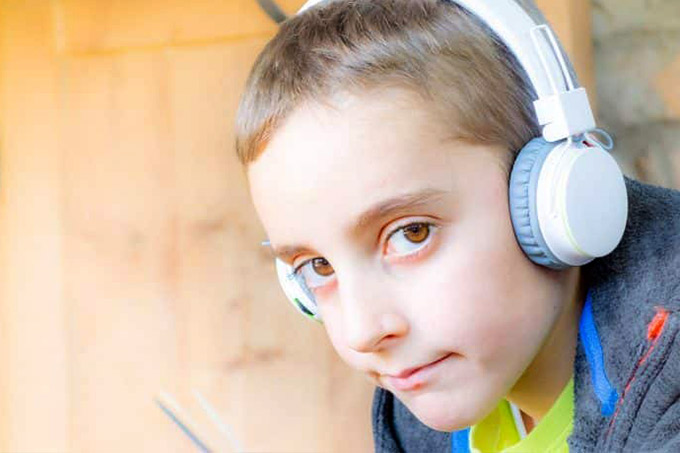
Comment l'autisme affecte-t-il les relations sociales ?
L’autisme peut influencer la manière dont une personne perçoit et établit des relations sociales, en affectant la communication, l’interprétation des signaux sociaux et les interactions avec les autres. Cet article explique de façon simple comment ces différences se manifestent et propose des clés pour mieux comprendre et soutenir les personnes autistes dans leurs relations sociales.

Greta Thunberg : quand l'Asperger devient un "super-pouvoir"
À 11 ans, Greta Thunberg a cessé de manger et de parler pendant plusieurs mois. Ce qui a suivi ce silence a changé la façon dont des millions de personnes parlent aujourd'hui à la fois du climat et de l'autisme. Voici comment un diagnostic, reçu dans la douleur, est devenu — dans ses propres mots — un "super-pouvoir".
Bénévole autisme : rejoignez notre campagne des 30 ans
Le Silence des Justes fête ses 30 ans le 21 octobre 2026. Pour faire de cette date un moment fort, nous recrutons des bénévoles — tractage, présence en ligne, appels. Voici comment nous rejoindre. Bénévolat