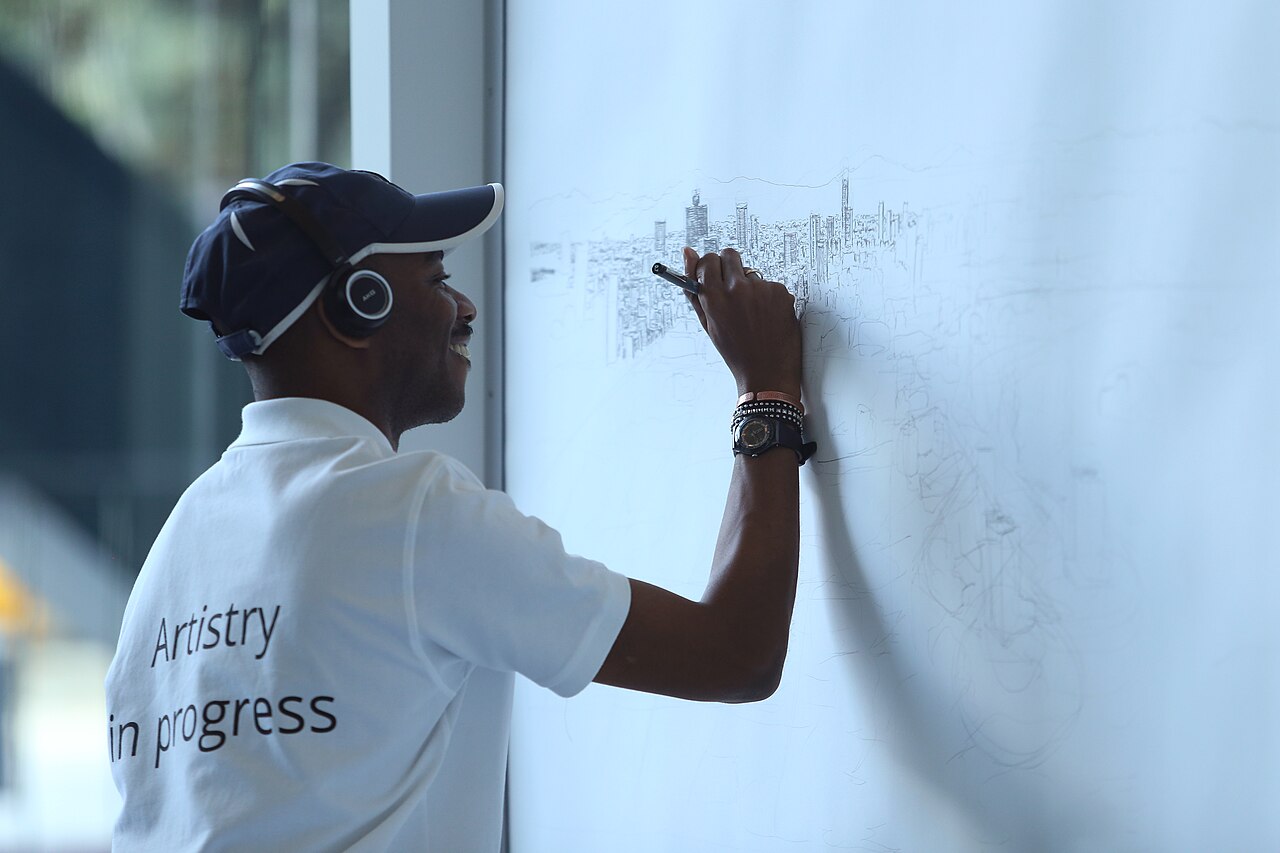

L’inclusion, la communication efficace et la collaboration entre les parents, les enseignants et les professionnels sont essentielles pour favoriser une expérience scolaire positive.
Naviguer dans le système scolaire avec un enfant autiste peut être un défi complexe et unique. Il est important d'adopter une approche individualisée pour soutenir les besoins éducatifs de chaque enfant atteint de troubles du spectre autistique (TSA). L'inclusion, la communication efficace et la collaboration entre les parents, les enseignants et les professionnels sont essentielles pour favoriser une expérience scolaire positive.
Pour veiller à ce que l'enfant autiste puisse naviguer avec succès dans le système scolaire, il est important de promouvoir l'inclusion dès le début. Cela signifie s'assurer que des mesures d'adaptation appropriées sont mises en place pour répondre aux besoins individuels de chaque enfant. Par exemple, cela pourrait impliquer des ajustements au niveau de la salle de classe, comme une disposition spatiale spécifique ou des supports visuels supplémentaires.
La communication efficace est également essentielle dans ce processus. Il est crucial que les parents, les enseignants et les autres professionnels travaillant auprès de l'enfant autiste partagent régulièrement des informations sur son développement, ses forces et ses défis. Cela favorisera une approche cohérente et adaptée tout au long du parcours scolaire.
En plus de cela, il est important que tous ceux qui sont impliqués dans l'éducation d'un enfant autiste restent ouverts à la collaboration et à la résolution de problèmes. Les obstacles peuvent se présenter à différents moments et il est essentiel de travailler ensemble pour trouver des solutions adaptées à chaque situation spécifique.
Voici quelques suggestions pratiques pour faciliter la navigation dans le système scolaire avec un enfant autiste. Tout d'abord, il est important de développer un plan d'éducation individualisé (PEI) qui tient compte des besoins spécifiques de l'enfant et de ses objectifs éducatifs. Cela permettra d'orienter les mesures d'adaptation nécessaires.
Ensuite, il peut être bénéfique d'impliquer l'enfant autiste dans la prise de décision et le processus de planification. Cela lui donnera un sentiment de contrôle et l'aidera à se sentir plus engagé dans son propre parcours scolaire. Les supports visuels tels que les horaires visuels peuvent également être utiles pour aider l'enfant à comprendre les attentes et les routines quotidiennes.
Enfin, il est important de promouvoir une culture inclusive au sein du milieu scolaire en sensibilisant les enseignants, le personnel et les élèves aux troubles du spectre autistique. Cela peut contribuer à réduire la stigmatisation et à favoriser une compréhension accrue des besoins spécifiques des enfants autistes.
En conclusion, en adoptant une approche individualisée, en favorisant la communication efficace et en encourageant la collaboration entre tous les acteurs impliqués, il est possible de naviguer avec succès dans le système scolaire avec un enfant autiste. En combinant ces suggestions pratiques, on peut créer un environnement favorable où chaque enfant atteint de TSA a la possibilité de s'épanouir sur le plan éducatif.
Comment naviguer dans le système scolaire avec un enfant autiste ? Pas de panique, nous sommes là pour vous apprendre à jongler avec les étiquettes, les thérapies et les réunions interminables... Bon courage !
Importance de la navigation dans le système scolaire pour les enfants autistes
La navigation dans le système scolaire est essentielle pour les enfants autistes, car elle leur permet de bénéficier d'un environnement éducatif adapté à leurs besoins spécifiques. Cela comprend l'accès à des enseignants formés et à des ressources spécialisées pour favoriser leur apprentissage. Il est crucial de comprendre que chaque enfant autiste est unique, avec ses propres forces et défis. La navigation dans le système scolaire implique donc une approche individualisée, mettant l'accent sur la compréhension des besoins particuliers de chaque enfant.
L'inclusion des enfants autistes dans les salles de classe régulières est un élément important de la navigation dans le système scolaire. Cela favorise la socialisation et l'intégration, tout en offrant aux élèves autistes un soutien personnalisé pour répondre à leurs besoins. En plus de garantir un environnement inclusif, il est également crucial d'accorder une attention particulière aux méthodes d'enseignement utilisées. Les enfants autistes peuvent bénéficier d'approches pédagogiques alternatives telles que l'utilisation de supports visuels ou la pratique d'exercices sensoriels pour faciliter leur apprentissage.
Dans l'ensemble, il est important que les parents, les enseignants et les professionnels travaillent ensemble pour soutenir efficacement la navigation des enfants autistes dans le système scolaire. En offrant un accompagnement approprié et une communication ouverte entre toutes les parties concernées, nous pouvons aider ces enfants à atteindre leur plein potentiel académique et social. Le système scolaire : où les cours de maths sont plus effrayants que toute la salle des bêtes d'un cirque, même pour les enfants autistes !
Les défis spécifiques auxquels sont confrontés les enfants autistes dans le système scolaire
Les enfants autistes rencontrent des défis spécifiques lorsqu'ils évoluent dans le système scolaire. Ces défis incluent la communication, les interactions sociales, l'adaptation aux routines et l'accès à un enseignement individualisé. Il est donc essentiel de leur fournir un environnement inclusif qui répond à leurs besoins particuliers. Cela peut signifier la mise en place de programmes éducatifs personnalisés et de stratégies d'enseignement adaptées.
Pour garantir une approche holistique, il est important d'établir une collaboration étroite entre les professionnels de l'éducation, les familles et les thérapeutes. De plus, il est crucial de fournir un soutien professionnel continu aux enseignants afin de développer leurs compétences spécialisées dans l'enseignement aux enfants autistes. Cela peut se faire par le biais de formations axées sur les méthodes d'enseignement adaptées, la gestion du comportement et la compréhension des besoins individuels des enfants autistes.
Il est également important de soutenir les familles d'enfants autistes pour qu'elles puissent naviguer avec succès dans le système scolaire. Cela peut inclure des conseils sur la gestion du stress scolaire, l'accès à des ressources communautaires et une collaboration effective avec les éducateurs.
En résumé, en tenant compte des défis spécifiques auxquels font face les enfants autistes dans le système scolaire et en mettant en place des mesures d'inclusion et de soutien appropriées, il est possible de créer un environnement éducatif qui favorise leur épanouissement et leur réussite scolaire. La vie est déjà assez difficile sans avoir à faire face aux devoirs, il est donc primordial de faciliter la navigation dans le système scolaire pour les enfants autistes.
Stratégies pour aider les enfants autistes à naviguer dans le système scolaire
Les stratégies visant à soutenir les élèves autistes dans le système scolaire nécessitent une approche réfléchie et adaptée. Il est essentiel de fournir des aménagements tels que des supports visuels, un accompagnement individuel et des environnements calmes pour minimiser les défis auxquels les enfants autistes sont confrontés dans leur apprentissage et leur intégration sociale. De plus, une communication claire avec les enseignants et la sensibilisation des autres élèves contribuent à créer un environnement inclusif.
Pour aider les élèves autistes à réussir dans le système scolaire, il est important de promouvoir leur autonomie et de leur fournir un soutien individualisé. Cela peut inclure l'utilisation de routines structurées, de stratégies d'enseignement visuel telles que des tableaux de planification et une attention particulière aux besoins sensoriels des élèves. Il est également essentiel de collaborer avec les parents et les professionnels spécialisés pour développer des plans d'éducation individualisés répondant aux besoins spécifiques de chaque enfant.
En outre, il est crucial de promouvoir une culture d'acceptation et d'empathie parmi les pairs afin que tous les élèves se sentent inclus et respectés. On peut encourager la sensibilisation à l'autisme par le biais d'activités éducatives ou de discussions en classe sur la diversité et l'acceptation. Lorsque tous les membres de la communauté scolaire travaillent ensemble pour créer un environnement inclusif, cela permet aux enfants autistes de s'épanouir pleinement.
Ne manquez pas l'opportunité d'aider votre enfant autiste à naviguer avec succès dans le système scolaire. En utilisant des stratégies adaptées, en collaborant avec l'école et en sensibilisant les autres élèves, vous pouvez contribuer à créer un environnement d'apprentissage inclusif et propice au développement de votre enfant autiste. N'oubliez pas le potentiel de votre enfant - ensemble, nous pouvons offrir un avenir rempli de possibilités.
Lorsqu'il s'agit de naviguer dans le système scolaire avec un enfant autiste, il faut plus qu'une boussole, il faut une carte au trésor pour trouver les ressources disponibles !
Les ressources disponibles pour soutenir la navigation des enfants autistes dans le système scolaire
Les ressources disponibles sont essentielles pour soutenir les enfants autistes dans leur parcours scolaire. Grâce à ces ressources, les enseignants et les parents peuvent aider ces enfants à s'intégrer pleinement dans le système éducatif. Des méthodes d'enseignement adaptées, des programmes spécialisés, des professionnels formés et des aides technologiques sont quelques-unes des solutions disponibles. Non seulement ces ressources répondent aux besoins spécifiques de chaque enfant autiste, mais elles favorisent également leur épanouissement personnel, académique et social.
Il est important que les enseignants reçoivent une formation adéquate pour comprendre les spécificités des enfants autistes et adapter leurs méthodes d'enseignement en conséquence. De plus, l'accès à un programme spécialisé permet de répondre aux besoins individuels en fournissant un soutien supplémentaire et en ajustant le rythme d'apprentissage.
Les professionnels spécialisés tels que les orthophonistes, les ergothérapeutes et les psychologues peuvent jouer un rôle crucial dans le soutien des enfants autistes. Leur expertise peut aider à développer des stratégies d'apprentissage adaptées ainsi qu'à anticiper et résoudre les problèmes spécifiques qui pourraient survenir.
Enfin, l'utilisation de technologies telles que les applications mobiles spécialement conçues ou les outils de communication augmentative peut grandement faciliter la navigation dans le système scolaire pour les enfants autistes. Ces outils offrent un moyen supplémentaire de communication et favorisent leur autonomie.
Selon une étude réalisée par l'Organisation mondiale de la santé, l'utilisation de ressources et de soutiens appropriés a démontré que les enfants autistes peuvent réaliser leur plein potentiel académique et social.
En conclusion, il est important de ne pas oublier qu'avec un enfant autiste dans le système scolaire, il y a toujours une leçon à tirer. Même lorsque les règles semblent parfois absurdes, l'humour noir peut nous aider à garder le cap et à naviguer à travers les tempêtes.
Conclusion
Naviguer dans le système scolaire avec un enfant autiste peut être complexe et nécessite une approche adaptée. Il est essentiel d'avoir une collaboration entre les parents, les enseignants et les professionnels de la santé pour créer un environnement éducatif inclusif et favorable à l'enfant.
Pour faciliter cette navigation, il est important de prendre en compte les besoins spécifiques de chaque enfant autiste en mettant en place des adaptations pédagogiques individualisées. Cela peut inclure l'utilisation de supports visuels, l'établissement de routines prévisibles et le soutien social approprié pour favoriser l'apprentissage et le développement de l'enfant.
Il est crucial de mettre en place une communication ouverte entre tous les acteurs impliqués. Les parents doivent pouvoir partager leurs observations et leurs préoccupations avec les enseignants et les professionnels de la santé, et ces derniers doivent régulièrement informer les parents des progrès réalisés par l'enfant à l'école.
Il est important de comprendre qu'il n'y a pas une approche unique qui convient à tous les enfants autistes. Chaque enfant a ses propres forces et besoins individuels, il est donc nécessaire d'adapter continuellement les stratégies éducatives pour répondre à ses besoins spécifiques.
Une histoire vraie qui illustre cela est celle d'Alex, un enfant autiste. Grâce à la collaboration étroite entre ses parents, ses enseignants et ses thérapeutes spécialisés, Alex a réussi à surmonter plusieurs obstacles rencontrés à l'école. En travaillant ensemble pour comprendre pleinement ses besoins et trouver des solutions adaptées, ils ont créé un environnement éducatif inclusif et stimulant pour lui, lui permettant ainsi de s'épanouir académiquement et socialement.
Questions fréquemment posées
Q: Comment accompagner un enfant autiste dans le système scolaire ?
R: Pour accompagner un enfant autiste dans le système scolaire, il est important de mettre en place un projet personnalisé de scolarisation (PPS) avec l'équipe éducative et les professionnels de santé. Ce PPS doit tenir compte des besoins et des particularités de l'enfant pour adapter les enseignements et les méthodes pédagogiques.
Q: Quelles sont les aides disponibles pour les enfants autistes à l'école ?
R: Les enfants autistes peuvent bénéficier d'un accompagnement éducatif personnalisé (AEP), d'une auxiliaire de vie scolaire (AVS) ou d'un accompagnant des élèves en situation de handicap (AESH) pour les aider à suivre les cours et à s'intégrer dans la classe. Ils peuvent également bénéficier d'aménagements d'examens et d'épreuves, et d'une attention particulière de la part des enseignants.
Q: Comment se déroule l'accompagnement d'un enfant autiste à l'école maternelle ?
R: L'accompagnement d'un enfant autiste à l'école maternelle se fait en collaboration avec les parents, l'équipe éducative et les professionnels de santé. L'enfant peut bénéficier d'aménagements spécifiques pour faciliter son intégration en classe (adaptation de l'espace, des activités, accompagnement individuel, etc.) et d'un suivi personnalisé pour favoriser son développement.
Q: Comment aider un enfant autiste à s'intégrer dans sa classe ?
R: Pour aider un enfant autiste à s'intégrer dans sa classe, il est nécessaire de sensibiliser les autres élèves et les enseignants à ses particularités et à ses besoins. Il est également important d'aménager l'environnement pour faciliter son apprentissage et sa communication (par exemple, en utilisant des pictogrammes ou des outils de communication alternatifs).
Q: Comment gérer les comportements problématiques d'un enfant autiste à l'école ?
R: Pour gérer les comportements problématiques d'un enfant autiste à l'école, il est important d'identifier les causes de ces comportements (anxiété, surstimulation, frustration, etc.) et d'adapter les interventions en conséquence (par exemple, en proposant des activités de détente, en limitant les sources de stimulation, en proposant des espaces de refuge, etc.). Il est également important d'impliquer les parents et les professionnels de santé dans cette démarche.
Q: Comment favoriser la communication entre un enfant autiste et les autres membres de son école ?
R: Pour favoriser la communication entre un enfant autiste et les autres membres de son école, il est important de mettre en place des stratégies de communication adaptées à ses besoins (utilisation de pictogrammes, de jeux de rôle, de supports visuels, etc.). Il est également important d'impliquer les autres membres de l'équipe éducative dans cette démarche pour qu'ils puissent mieux comprendre les particularités de l'enfant et s'adapter à ses besoins.
Chaque don compte
Votre soutien permet à l'association de poursuivre son accompagnement auprès des personnes autistes et de leurs familles.
Nous SoutenirVous aimerez aussi

Ailleurs en France : l'autisme en Île-de-France
Premier article d'une nouvelle série : après avoir comparé l'accompagnement de l'autisme entre pays, on tourne maintenant le regard vers l'intérieur — région par région, en commençant par l'Île-de-France, le territoire historique du Silence des Justes. Contrairement à la série internationale, la loi est ici rigoureusement identique partout en France. Ce qui change, en revanche, c'est le temps qu'il faut pour qu'elle s'applique concrètement — et cet écart peut déjà se creuser entre deux départements voisins de la même région.
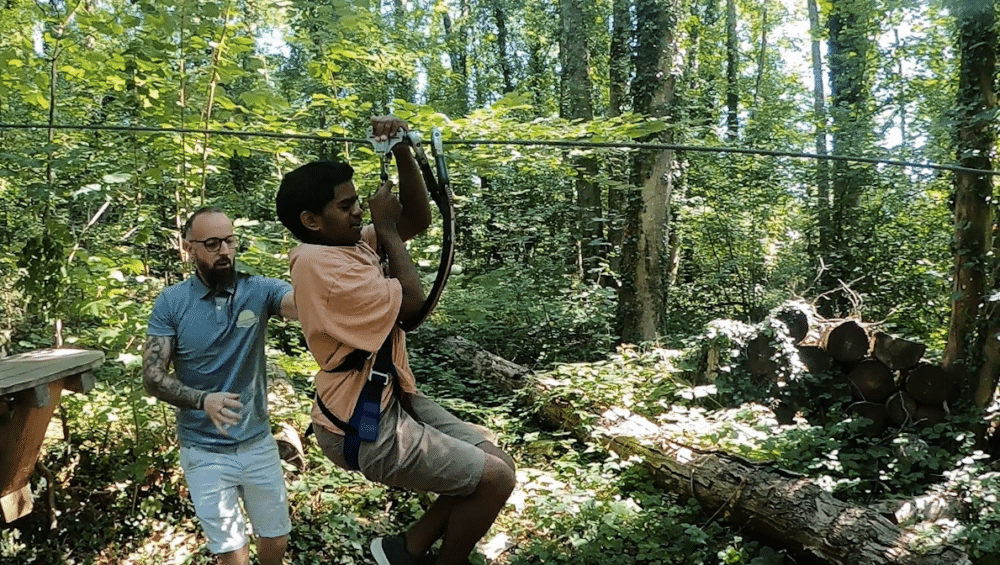
Séjour mémorable à Villers-sur-Fère.
Ce séjour à Villers‑sur‑Fère été 2022 a offert aux enfants autistes une expérience riche en épanouissement, joie et découvertes, favorisant des moments de partage, de détente et d’apprentissage dans un environnement bienveillant. Une parenthèse mémorable qui a permis à chaque participant de créer des souvenirs positifs et de renforcer son autonomie au contact de nouvelles activités et interactions.
10 choses que vous ne saviez pas sur l’autisme
L’autisme est souvent entouré d’idées reçues, et découvrir 10 choses que vous ne saviez pas permet de mieux comprendre les réalités du spectre autistique. Cet article met en lumière des faits surprenants ou peu connus, invitant à dépasser les stéréotypes pour adopter une vision plus juste, nuancée et respectueuse des personnes autistes.