
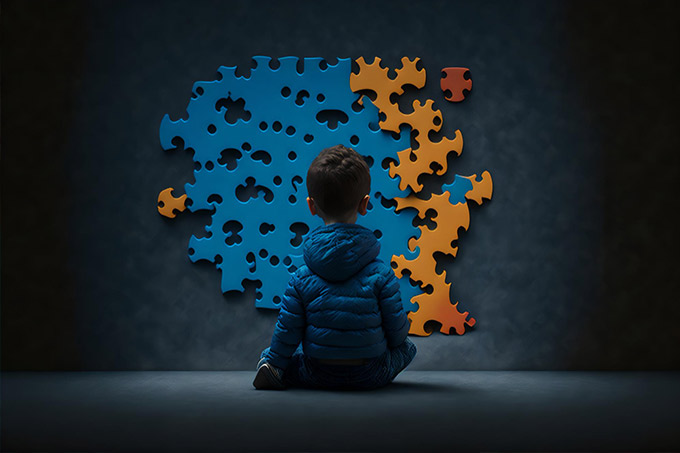
En comprenant la diversité au sein de la communauté autiste, nous pouvons adopter une approche holistique dans la création d’un environnement inclusif qui répond aux besoins individuels de chacun.
L'autisme est un sujet complexe et important à comprendre. Comprendre l'autisme est crucial pour plusieurs raisons. Tout d'abord, cela nous permet d'aider les personnes autistes à s'épanouir en créant des environnements adaptés à leurs besoins spécifiques. Deuxièmement, la connaissance de l'autisme nous permet de réduire la stigmatisation et les préjugés envers les personnes autistes, favorisant ainsi une société plus inclusive et équitable.
En outre, comprendre l'autisme nous aide également à reconnaître et à soutenir les caractéristiques uniques des personnes autistes. Chaque personne a sa propre expérience de l'autisme, il est donc important d'avoir une approche individualisée dans le soutien et les interventions. En comprenant mieux ces caractéristiques neurologiques particulières, nous pouvons offrir des opportunités qui favorisent leur plein potentiel et participent à leur bien-être global.
Il est essentiel de rappeler que chaque personne autiste est unique et possède ses propres forces et défis. En comprenant cette diversité au sein de la communauté autiste, nous pouvons adopter une approche holistique dans la création d'un environnement inclusif qui répond aux besoins individuels de chacun.
Pour aider les personnes autistes à s'épanouir pleinement, voici quelques suggestions pratiques :
| Suggestion | Action |
|---|---|
| Sensibilisation | Sensibilisez-vous davantage sur le spectre de l'autisme afin de développer une meilleure compréhension des comportements différents ou atypiques qui peuvent être associés à l'autisme. |
| Communication | Assurez-vous d'avoir une communication claire et concise avec les personnes autistes, en utilisant des supports visuels ou des outils de communication alternative si nécessaire. |
| Flexibilité | Faites preuve de flexibilité dans vos attentes et adaptez-vous aux besoins spécifiques de chaque personne autiste. Écoutez et respectez leurs limites tout en les encourageant à relever de nouveaux défis. |
En comprenant l'autisme dans toute sa complexité, nous pouvons créer une société plus inclusive qui valorise la diversité neurologique et offre un soutien approprié aux personnes autistes. En mettant en pratique ces suggestions, nous contribuons à créer un monde où tous peuvent s'épanouir pleinement, indépendamment de leur façon d'être et de penser.
Les origines de l'autisme
Explorons d'abord la prévalence de l'autisme dans la population ainsi que les facteurs génétiques et environnementaux qui y sont associés pour mieux comprendre ses origines. Découvrons combien de personnes sont touchées par l'autisme et comment les gènes et l'environnement peuvent jouer un rôle dans le développement de cette condition.
Prévalence de l'autisme dans la population
La prévalence de l'autisme dans la société est un sujet important à explorer. D'après des statistiques récentes, environ 1 enfant sur 59 est touché par un trouble du spectre autistique. Cette prévalence de l'autisme peut varier en fonction de plusieurs facteurs tels que le sexe, l'âge et les groupes ethniques.
Pour mieux comprendre la prévalence de l'autisme dans la population, voici un aperçu sous forme de tableau :
| Groupe d'âge | Pourcentage |
|---|---|
| 2-5 ans | 1% |
| 6-17 ans | 2% |
| Adultes | 0,7% |
Ces données révèlent que la prévalence de l'autisme tend à diminuer avec l'âge. Cependant, il convient également de noter que ces chiffres sont en constante évolution à mesure que de nouvelles recherches sont menées et que les diagnostics s'améliorent.
En explorant davantage ce sujet complexe, il est intéressant de souligner qu'il existe une variabilité significative dans les manifestations cliniques de l'autisme. Chaque personne atteinte d'autisme est unique et présente des caractéristiques différentes. Certains individus peuvent présenter des déficits sociaux et communicationnels plus légers, tandis que d'autres peuvent avoir des besoins plus soutenus au niveau du développement.
Lorsqu'il s'agit d'en apprendre davantage sur l'autisme et d'accroître notre compréhension collective, il est essentiel d'écouter les histoires réelles des personnes touchées par ce trouble. Par exemple, Anne-Marie, une jeune femme autiste, partage son parcours et comment elle a surmonté les défis pour devenir une voix influente dans la sensibilisation à l'autisme. Son histoire inspirante témoigne du potentiel et de la force des personnes atteintes d'autisme.
En résumé, la prévalence de l'autisme dans la population est un sujet complexe qui nécessite une exploration approfondie. Les statistiques montrent que l'autisme touche un nombre significatif d'individus, avec des variations selon l'âge. Il est important de reconnaître que chaque personne atteinte d'autisme est unique et mérite d'être entendue et soutenue. L'apprentissage des histoires réelles peut grandement contribuer à notre compréhension collective de ce trouble. Décidément, l'autisme ne fait pas dans la demi-mesure, ça se transmet de génération en génération comme un abonnement Netflix bien trop cher.
Facteurs génétiques et environnementaux liés à l'autisme
La compréhension des origines de l'autisme repose sur une exploration approfondie des différents facteurs qui y sont liés. Les recherches suggèrent que tant les facteurs génétiques que ceux liés à l'environnement peuvent contribuer au développement de l'autisme.
Pour mieux comprendre ces facteurs, voici cinq points clés :
| Facteurs | Description |
|---|---|
| Influences génétiques | Des études ont identifié plusieurs gènes qui semblent jouer un rôle dans le développement de l'autisme. Ces altérations génétiques peuvent augmenter la probabilité de développer ce trouble. |
| Impact de l'environnement | Certaines recherches indiquent que des expositions prénatales à des substances toxiques ou à certaines infections pourraient également contribuer à l'apparition de l'autisme. |
| Interaction complexe entre les gènes et l'environnement | Il est important de noter que les facteurs génétiques et environnementaux ne fonctionnent pas isolément, mais plutôt en interaction les uns avec les autres. Cette interaction complexe peut influencer le risque d'autisme chez certains individus. |
| Vulnérabilités spécifiques | Il est probable que certaines personnes soient plus susceptibles de développer l'autisme en raison de leur vulnérabilité unique aux facteurs génétiques ou environnementaux. |
| Besoin d'études approfondies | Bien qu'il existe déjà une base solide de connaissances sur les facteurs génétiques et environnementaux liés à l'autisme, il est encore essentiel de poursuivre les recherches afin d'obtenir une meilleure compréhension globale. |
Il est important de noter qu'il n'existe pas encore de consensus définitif sur les origines de l'autisme et que chaque individu atteint peut présenter une combinaison unique de facteurs. Si vous avez des préoccupations concernant le développement de votre enfant, il est recommandé de consulter un professionnel de la santé spécialisé dans les troubles du spectre autistique.
Veuillez garder à l'esprit que cette information est fournie à titre informatif uniquement et ne remplace en aucun cas un avis médical professionnel.
Les caractéristiques de l'autisme : quand ton super-pouvoir est de te prendre au sérieux, même quand les autres ne te prennent pas au sérieux.
Les caractéristiques de l'autisme
Examinons d'abord les difficultés de communication et les interactions sociales qui accompagnent l'autisme afin de mieux comprendre ses caractéristiques. Ensuite, abordons les comportements restreints et répétitifs souvent observés chez les personnes autistes. Cette analyse vous aidera à approfondir votre compréhension de ces aspects clés de l'autisme.
Difficultés de communication et interactions sociales
L'autisme se caractérise par des difficultés de communication et d'interaction sociale. Les personnes touchées peuvent avoir du mal à établir et à maintenir des relations avec les autres, à comprendre les nuances de la communication non verbale et à exprimer leurs propres sentiments et besoins. Ces défis peuvent rendre les interactions sociales stressantes pour elles, mais il est important de reconnaître que chaque personne autiste a une expérience et des capacités uniques. Par conséquent, il peut être utile d'adapter notre approche de la communication pour favoriser une meilleure compréhension mutuelle. Une compréhension empathique permettra une inclusion sociale plus épanouissante pour tous.
Malgré ces difficultés, il est essentiel de ne pas sous-estimer les compétences et les talents des personnes autistes. Bien que leur mode de communication puisse être différent, elles ont souvent des perspectives uniques sur le monde qui peuvent enrichir notre société. Il est donc primordial d'éduquer le public sur l'autisme afin de favoriser l'inclusion et la reconnaissance des précieuses contributions que les personnes autistes peuvent apporter.
Il est important de noter que l'autisme n'est pas une condition statique ou linéaire. Les personnes autistes évoluent et apprennent tout au long de leur vie, tout comme nous tous. En tant que société, nous devons donc continuer à investir dans la recherche scientifique sur l'autisme afin d'améliorer nos connaissances et nos approches en matière de soutien et d'intervention.
Laissez-moi vous partager l'histoire inspirante d'un jeune homme autiste nommé Alex. Malgré ses difficultés initiales en matière de communication et d'interaction sociale, Alex a travaillé dur pour développer ses compétences et s'épanouir dans la vie. Aujourd'hui, il est devenu un conférencier motivant, partageant son expérience et aidant les autres à mieux comprendre l'autisme. Son parcours démontre que chaque personne autiste a un potentiel unique qui peut être cultivé lorsque nous leur offrons les bonnes opportunités et le soutien nécessaire.
Même si les comportements restreints et répétitifs peuvent sembler étranges pour certains, au moins les personnes atteintes d'autisme ont déjà une idée précise de ce qu'elles vont faire si elles se retrouvent coincées dans une boucle temporelle.
Comportements restreints et répétitifs
Les comportements restreints et répétitifs peuvent être préoccupants pour les personnes autistes, car ils peuvent interférer avec leurs activités quotidiennes et leur capacité à s'engager socialement. De plus, ils peuvent causer du stress et de l'anxiété si ces comportements ne sont pas autorisés ou s'ils sont interrompus. Certains exemples courants de ces comportements comprennent le fait de tourner en rond, de secouer ou de balancer le corps, de faire rouler ou aligner des objets, de fixer intensément un objet ou un motif visuel, et de suivre strictement une routine quotidienne. Il est important de noter que tous les individus atteints d'autisme ne présentent pas nécessairement ces comportements, leur fréquence et leur intensité varient d'une personne à l'autre. Ces comportements sont généralement diagnostiqués lors d'une évaluation clinique par un professionnel de la santé spécialisé dans l'autisme.
Les comportements restreints et répétitifs peuvent être source de préoccupation pour ceux qui ne comprennent pas ou ne sont pas familiarisés avec l'autisme. Cependant, il est important de rappeler que ces comportements font partie intégrante de la manière dont les individus autistes interagissent et se manifestent dans le monde qui les entoure. Il existe des stratégies d'adaptation qui peuvent être utilisées pour aider à gérer ces comportements et promouvoir l'inclusion sociale des personnes autistes. Une approche individualisée, une compréhension et un soutien continus sont essentiels pour accompagner les individus atteints d'autisme dans leur parcours de développement et d'apprentissage. Oubliez les énigmes de Sherlock Holmes, détecter l'autisme chez un bébé revient à chercher une aiguille dans une poussette pleine de foin !
Les signes précoces de l'autisme
Il est important de comprendre le développement atypique chez les nourrissons afin de repérer les signes précoces de l'autisme. En identifiant ces différences dès leur apparition, il est possible de mettre en place une intervention précoce et d'identifier l'autisme précocement. Nous vous présenterons les détails clés pour mieux repérer ces signes dès le début.
Développement atypique chez les nourrissons
Le développement des nourrissons peut parfois être différent de la norme, ce qui peut indiquer une prédisposition à l'autisme. Cette variation dans le développement peut être observée à travers différents comportements chez les bébés.
Les signes d'un développement atypique chez les nourrissons peuvent se manifester de différentes manières. Certains bébés peuvent présenter un retard dans l'acquisition des compétences motrices, tandis que d'autres peuvent avoir des difficultés de communication précoce. Certains nourrissons présentent également des comportements répétitifs ou obsessionnels.
Il est important de noter que chaque enfant se développe à son propre rythme. Cependant, si ces signes atypiques persistent et deviennent plus prononcés au fil du temps, il est essentiel de consulter un professionnel de la santé pour une évaluation plus approfondie. Un dépistage précoce et une intervention précoce peuvent aider à soutenir le développement de l'enfant.
Dans une histoire réelle touchante, Sarah a remarqué que son fils James présentait certaines particularités dès son plus jeune âge. Il montrait moins d'intérêt pour le contact visuel et était souvent absorbé par des mouvements répétitifs avec ses mains. Inquiète, Sarah a consulté un pédiatre qui a recommandé une évaluation spécialisée en autisme. Grâce à un diagnostic précoce, James a pu bénéficier d'une intervention spécialisée adaptée et a fait des progrès significatifs dans son développement. Aujourd'hui, il reçoit un soutien continu pour s'épanouir pleinement.
Qui a dit que détecter l'autisme à un stade précoce était impossible ? Si seulement nos collègues politiciens pouvaient être aussi doués pour repérer les signes avant-coureurs de leurs discours interminables.
Repérage précoce de l'autisme pour une intervention précoce
La détection précoce des signes d'autisme permet une intervention rapide afin d'offrir un soutien et des services adaptés aux enfants concernés. En identifiant les indices précoces de l'autisme, il est possible d'améliorer considérablement leur développement et leur qualité de vie. Il ne faut pas négliger l'importance de détecter l'autisme dès les premiers signes.
Soyez vigilant et renseignez-vous dès maintenant pour ne pas passer à côté des signes avant-coureurs. Les signes précoces de l'autisme peuvent être surprenants, surtout pour les parents qui découvrent que leur enfant préfère parler à une feuille de papier plutôt qu'à eux.
Les traitements et interventions pour l'autisme
Pour aider les personnes autistes et leurs familles, commençons par examiner les traitements et les interventions disponibles. Nous allons d'abord découvrir les approches thérapeutiques comportementales qui peuvent être utilisées pour aider les personnes atteintes d'autisme à développer des compétences sociales et à gérer les comportements difficiles. Ensuite, nous allons explorer les ressources et le soutien disponibles pour les personnes autistes et leurs familles, afin de les aider à naviguer dans ce voyage souvent complexe.
Approches thérapeutiques comportementales
Les approches comportementales sont une méthode thérapeutique couramment utilisée pour traiter l'autisme. Elles se concentrent sur le développement des compétences sociales, de la communication et du comportement adaptatif chez les individus autistes. Ces interventions utilisent des techniques telles que l'analyse appliquée du comportement (ABA), la thérapie cognitivo-comportementale (TCC) et les programmes éducatifs structurés pour favoriser le progrès et l'inclusion sociale. L'objectif est d'aider les personnes atteintes d'autisme à s'épanouir et à améliorer leur qualité de vie.
L'approche thérapeutique comportementale encourage les individus autistes à apprendre de nouvelles compétences tout en réduisant les comportements inadaptés. Elle se concentre sur l'apprentissage par renforcement positif et sur la répétition de certaines tâches afin d'améliorer progressivement les capacités sociales, cognitives et adaptatives des personnes autistes. Cette approche utilise également des stratégies individualisées, en tenant compte des besoins spécifiques de chaque personne autiste, ce qui lui permet d'obtenir les meilleurs résultats possibles.
Il est important de noter que chaque personne autiste est unique, avec ses propres forces et défis. Les traitements comportementaux doivent donc être adaptés à chaque individu pour répondre à ses besoins spécifiques. Il existe différentes approches thérapeutiques comportementales qui peuvent être utilisées en fonction des objectifs individuels, tels que l'ABA, qui se concentre sur la modification du comportement en utilisant des renforcements positifs ; la TCC, qui vise à modifier les pensées et les comportements dysfonctionnels ; et les programmes éducatifs structurés, qui fournissent des environnements d'apprentissage structurés pour favoriser la croissance individuelle.
Dans l'ensemble, l'approche thérapeutique comportementale est une méthode efficace pour aider les personnes atteintes d'autisme à développer leurs compétences sociales, de communication et de comportement adaptatif. Il est essentiel de consulter des professionnels qualifiés pour déterminer quelle méthode thérapeutique comportementale convient le mieux à chaque individu autiste, et de revoir régulièrement les progrès réalisés afin d'apporter les ajustements nécessaires. Les traitements et interventions pour l'autisme : parce que parfois il vaut mieux s'en remettre aux professionnels, même si c'est loin d'être une science exacte... comme la météo.
Ressources et soutien pour les personnes autistes et leurs familles
Il existe de nombreuses ressources et soutiens disponibles pour les personnes autistes et leurs familles. Des organismes communautaires offrent des conseils, des groupes de soutien et des programmes éducatifs adaptés aux besoins individuels de chaque personne. Les professionnels spécialisés, tels que les psychologues et les thérapeutes, peuvent également fournir un soutien essentiel.
En plus des ressources locales, il existe également de nombreuses ressources en ligne qui peuvent être utiles pour les personnes autistes et leurs familles. Des sites Web proposent des informations sur l'autisme, des forums de discussion permettent aux familles de se connecter avec d'autres personnes dans une situation similaire, et des applications mobiles offrent des outils pratiques pour la gestion quotidienne.
Il est important de souligner que chaque personne autiste est unique, avec ses propres besoins et défis spécifiques. L'accès à des services individualisés est donc essentiel pour maximiser le bien-être général et le développement personnel.
Pour illustrer cela, voici l'histoire inspirante de Lucas, un jeune homme autiste. Grâce aux ressources et au soutien adéquats fournis par son école, sa famille et sa communauté, Lucas a pu développer ses compétences sociales et académiques. Aujourd'hui, il est un musicien accompli qui partage sa passion avec le monde entier. Son parcours démontre l'importance vitale du soutien continu pour les personnes autistes et leurs familles afin qu'ils puissent s'épanouir pleinement dans leur vie quotidienne.
Oubliez les cures miracles : pour guérir de l'autisme, il suffit d'un bon vieux choc électrique... dans la psyché des ignorants.
Les stéréotypes et la sensibilisation à l'autisme
Dans cette section, nous aborderons les stéréotypes et la sensibilisation à l'autisme afin de combattre les idées fausses et les préjugés, et de promouvoir l'acceptation et l'inclusion des personnes autistes. Vous découvrirez comment briser ces stéréotypes et encourager une meilleure compréhension de cette condition, ainsi que les initiatives qui visent à construire une société plus inclusive pour les personnes autistes.
Combattre les idées fausses et les préjugés sur l'autisme
Il est crucial de combattre les fausses idées et les préjugés sur l'autisme afin de sensibiliser le public à cette condition neurodivergente. En remettant en question les stéréotypes associés à l'autisme, nous pouvons favoriser une meilleure compréhension et une plus grande inclusion des personnes autistes dans la société.
L'autisme ne peut pas être réduit à des généralisations simplistes ou à des clichés. Il s'agit d'un spectre complexe qui englobe une grande diversité de traits et de capacités. En défiant les idées fausses sur l'autisme, nous avons la possibilité d'apprendre et d'évoluer, créant ainsi un environnement plus inclusif et accessible pour tous.
Il est essentiel de comprendre que chaque personne autiste est unique, avec ses propres forces et faiblesses. Il est important de reconnaître et de valoriser ces différences, plutôt que de les percevoir comme des déficits ou des obstacles. En faisant preuve d'empathie et en écoutant les personnes autistes elles-mêmes, nous pouvons remettre en question nos propres préjugés et favoriser une approche plus respectueuse et inclusive.
Un fait intéressant est que la plupart des stéréotypes sur l'autisme sont basés sur des informations erronées ou dépassées. Selon Autism Speaks, la première source d'informations erronées concerne le lien entre l'autisme et la vaccination, qui a été démystifié par plusieurs études scientifiques rigoureuses. Cette confusion persistante nuit à la sensibilisation à l'autisme et alimente les préjugés.
Les stéréotypes et la sensibilisation à l'autisme : quand les préjugés sont aussi faux que les calendriers de prédiction de l'apocalypse.
Promouvoir l'acceptation et l'inclusion des personnes autistes
Promouvoir l'inclusion et la compréhension des personnes autistes est essentiel pour une société compassionnelle. Il est crucial de promouvoir des environnements inclusifs où les besoins spécifiques des personnes autistes sont pris en compte, favorisant ainsi leur participation active dans tous les aspects de la vie sociale.
L'éducation et la sensibilisation sont des moyens efficaces de changer les perceptions négatives et les stéréotypes associés à l'autisme. En encourageant le dialogue ouvert et en offrant des formations adaptées, nous pouvons aider à briser les barrières de communication et à créer un soutien adéquat pour les personnes autistes dans tous les aspects de leur vie.
Cependant, il est important de ne pas limiter notre compréhension aux seules informations fournies par les experts. En écoutant réellement les histoires vécues par les personnes autistes elles-mêmes, nous pouvons obtenir une perspective unique et authentique sur leurs expériences quotidiennes. Ces narrations personnelles peuvent aider à façonner nos approches globales et individuelles pour créer une société inclusive.
Une telle histoire vient d'Alice, une jeune femme autiste qui a réussi à surmonter de nombreux obstacles grâce au soutien de sa famille aimante. Son parcours inspirant met en lumière l'importance vitale d'une attitude positive et inclusive envers les personnes autistes. Cette histoire souligne également le besoin constant d'éducation et de sensibilisation afin que davantage de personnes puissent trouver leur place dans la société sans jugement ni exclusion.
Autisme : la diversité, c'est comme les couleurs de l'arc-en-ciel, sauf qu'ici il n'y a pas de pot d'or, juste des trésors de différences.
Conclusion
Il est essentiel de sensibiliser et de comprendre les réalités de l'autisme pour comprendre cette condition et son importance. Pour une meilleure inclusion sociale et des soutiens adaptés, il est important de souligner l'importance de la sensibilisation et de la compréhension de l'autisme.
L'importance de sensibiliser et de comprendre l'autisme
Il est essentiel de sensibiliser et de comprendre les différentes facettes de l'autisme. En approfondissant notre compréhension de l'autisme, nous réalisons que chaque individu autiste est unique avec ses propres défis et forces. Par conséquent, il devient crucial d'adopter une approche personnalisée pour répondre à leurs besoins spécifiques. Sensibiliser à ces aspects favorise une meilleure interaction entre les personnes autistes et le reste de la société.
L'autisme est souvent associé à des compétences particulières dans des domaines tels que la créativité, la logique ou encore la mémoire. En comprenant ces talents uniques, nous contribuons à valoriser les capacités extraordinaires des personnes autistes. Cela crée également des opportunités pour elles de se développer pleinement et d'épanouir leurs talents potentiels.
Nous avons tous un rôle à jouer pour promouvoir un monde inclusif pour les personnes autistes. En soutenant activement leur inclusion sociale et en encourageant leurs contributions, nous aidons à briser les stéréotypes et à éliminer les barrières auxquelles elles sont souvent confrontées. Ensemble, travaillons main dans la main pour construire une société où toutes les voix peuvent être entendues et célébrées.
Ne manquez pas l'occasion d'accroître votre connaissance sur l'autisme ! La sensibilisation continue est essentielle afin de s'adapter aux besoins changeants des personnes autistes et de contribuer à créer un monde plus inclusif. Rejoignez le mouvement et participez à cette transformation sociale nécessaire pour une société véritablement inclusive.
Questions fréquemment posées
Q: Qu'est-ce que l'autisme et quelles en sont les causes ?
R: L'autisme est un trouble neuro-développemental qui affecte la communication, la socialisation et les comportements. Les causes exactes de l'autisme sont inconnues, mais il est probablement dû à une combinaison complexe de facteurs génétiques et environnementaux.
Q: Comment diagnostiquer l'autisme ?
R: Le diagnostic de l'autisme est réalisé à travers une évaluation basée sur des critères spécifiques, tels que des difficultés de communication et d'interaction sociale, des comportements répétitifs et des intérêts limités. Les parents, les enseignants et les professionnels de la santé peuvent tous contribuer à l'évaluation diagnostique.
Q: L'autisme peut-il être guéri ?
R: L'autisme ne peut pas être guéri, mais il existe des interventions qui peuvent aider à améliorer les compétences sociales, comportementales et communicatives des personnes autistes. Ces interventions incluent une thérapie comportementale, une éducation spécialisée, une gestion des médicaments et un soutien familial.
Q: Les personnes autistes ont-elles des capacités spéciales ?
R: Certaines personnes autistes ont des compétences spéciales dans des domaines tels que la mémoire, les mathématiques, la musique ou l'art. Cependant, ces compétences ne sont pas universelles chez toutes les personnes autistes et ne sont pas une caractéristique de l'autisme en général.
Q: L'autisme peut-il être prévenu ?
R: Il n'y a pas de moyen connu de prévenir l'autisme, mais des recherches sont en cours pour mieux comprendre l'étiologie de l'autisme et développer des interventions préventives précoces.
Q: Comment puis-je aider une personne autiste dans ma vie ?
R: Une des meilleures façons d'aider une personne autiste est de fournir un soutien émotionnel et pratique. Cela peut inclure une éducation sur l'autisme, l'encouragement de l'expression émotionnelle, l'aide à développer des compétences sociales et la création d'un environnement calme et structuré.
Chaque don compte
Votre soutien permet à l'association de poursuivre son accompagnement auprès des personnes autistes et de leurs familles.
Nous SoutenirVous aimerez aussi
Bénévole autisme : rejoignez notre campagne des 30 ans
Le Silence des Justes fête ses 30 ans le 21 octobre 2026. Pour faire de cette date un moment fort, nous recrutons des bénévoles — tractage, présence en ligne, appels. Voici comment nous rejoindre. Bénévolat
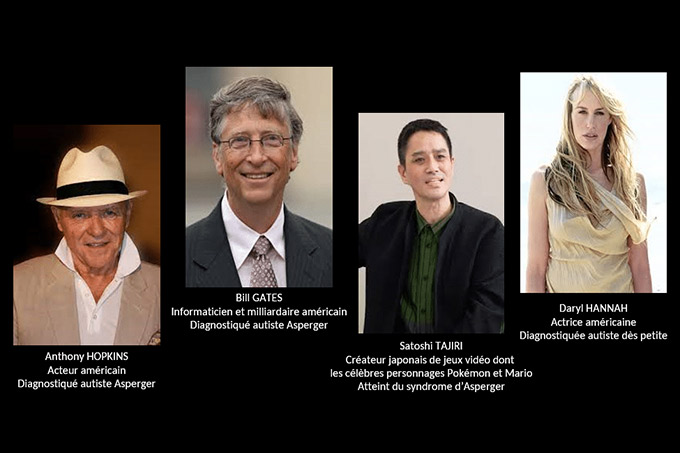
Le parcours de personnes autistes célèbres
Le parcours de personnes autistes célèbres met en lumière des trajectoires inspirantes qui montrent la diversité des talents et des réussites au sein du spectre autistique. En découvrant ces témoignages, on valorise les compétences uniques de personnes autistes et on encourage une meilleure compréhension et reconnaissance de leurs contributions dans la société.

30 ans de preuves par le terrain
Stéphane Benhamou a fondé Le Silence des Justes il y a 30 ans, après avoir accueilli un enfant autiste dans un centre de vacances. Nous sommes revenus avec lui sur ce chemin — les combats gagnés, ceux qui restent, et ce qu'il prépare pour les années à venir : intelligence artificielle, expansion internationale, nouveaux projets encore à financer.