People with autism may have difficulties understanding social norms and interpreting social cues, which can lead to problems in social interactions.
Autism is a developmental disorder that affects around 1% of the world's population. People with autism often have difficulties communicating and interacting with others, which can have a significant impact on their social relationships. In this article, we will explore the different ways autism can affect social relationships and discuss the strategies that can help people with autism improve their social interactions.
How does autism affect social relationships?
People with autism may have difficulties understanding social norms and interpreting social cues, which can lead to problems in social interactions. Here are some ways autism can affect social relationships:
Difficulty understanding social cues
People with autism may have difficulty understanding social cues such as facial expressions, the tone of voice and body language. This can lead to misunderstandings and communication problems, which can make it difficult for people with autism to form positive social relationships.
Difficulty initiating and maintaining conversations
People with autism may have difficulties initiating and maintaining conversations, particularly in new or stressful social situations. This can make it difficult for them to make new friends or to maintain existing social relationships.
Difficulty understanding the emotions of others
People with autism may have difficulties understanding the emotions of others, which can make them insensitive to others' feelings and prevent them from responding appropriately in social situations.
Sensory sensitivity
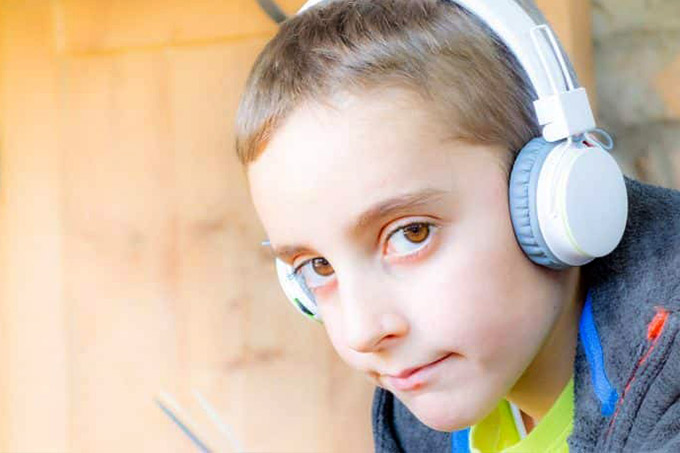
People with autism may have increased sensory sensitivity, which can make them uncomfortable in certain social situations, such as noisy places or crowds.
Strategies to improve social relationships in people with autism
Although people with autism may have difficulties communicating and interacting socially, there are strategies that can help them improve their social relationships. Here are some of the most effective strategies:
Clear communication
People with autism can benefit from clear and concise communication. Conversations should be structured and focused on concrete subjects. It can be useful to give short and simple verbal instructions.
Teaching social skills
It can be useful to teach people with autism specific social skills, such as how to start and maintain a conversation, the reading of social cues, the expression of emotions and the resolution of conflicts.
Using visual supports
Visual supports, such as diagrams and images, can help people with autism understand and interact with the world around them. These tools can also help people with autism anticipate social situations and prepare to face them.
Encouraging social practice
People with autism can benefit from the regular practice of social skills. Social programmes and support groups can offer a safe environment to practise social skills and to make new friends.
Recognising social successes
It is important to recognise the social successes of people with autism, even if they are small. This can help strengthen their self-esteem and their motivation to continue their social development.
FAQ
Q: Can people with autism have meaningful social relationships? A: Absolutely. Although people with autism may have difficulties communicating and interacting socially, they are capable of forming meaningful social relationships.
Q: Is autism linked to social anxiety? A: Yes, autism is often associated with social anxiety. People with autism may feel anxiety in unknown or stressful social situations.
Conclusion
Autism can have a significant impact on the social relationships of the people affected. The difficulties understanding social norms and social cues, as well as the problems with communication can make it difficult for people with autism to form positive social relationships. However, with the right strategies and adequate support, people with autism can improve their social skills and form meaningful relationships.
Every donation matters
Your support helps the association continue its work with autistic people and their families.
Support UsYou May Also Like

"At Silence des Justes, we prefer to choose real life"
This article explains that, faced with the challenges of daily life, it is sometimes more valuable to choose real life — to accept imperfections, simple moments and authentic experiences rather than aiming for a hypothetical perfection. It invites us to value the reality of every person, with their strengths and limits, in order to live fully with kindness and presence.
What are neurodevelopmental disorders (NDD) and autism spectrum disorders (ASD)?
Neurodevelopmental disorders (NDD) and autism spectrum disorders (ASD) cover conditions that affect the development of the brain, notably communication, social interactions and behaviours. This article explains in a clear way what these disorders are, their main characteristics and the importance of an adapted understanding to better support the people concerned.
Autism awareness: how you can help
Raising awareness of autism is essential to fostering understanding and inclusion. There are simple everyday actions that can help better support people on the autism spectrum and contribute to a more caring and welcoming society.