Il est important d’expliquer aux enfants ce qu’est l’autisme en utilisant des termes simples de manière adaptée à leur âge.
L'autisme est un trouble neuro-développemental qui affecte la communication et les interactions sociales. Il est important d'expliquer aux enfants ce qu'est l'autisme de manière adaptée à leur âge. En utilisant des termes simples et en mettant l'accent sur la diversité et l'inclusivité, il est possible de favoriser la compréhension et le soutien envers les personnes autistes.
Lorsque nous rencontrons quelqu'un qui est autiste, il se peut que cette personne ait du mal à communiquer ou à comprendre les signaux sociaux habituels. Cela ne signifie pas qu'elle ne veut pas être amicale ou participer, mais plutôt que son cerveau fonctionne différemment. Il est important d'être patient, tolérant et inclusif avec les personnes autistes afin de créer une société plus diverse et respectueuse.
Une autre caractéristique importante de l'autisme est la forte hypersensibilité sensorielle dont certaines personnes peuvent faire l'expérience. Les bruits forts, les textures inhabituelles ou même les couleurs vives peuvent être gênants voire douloureux pour eux. Par conséquent, il est essentiel de respecter leurs besoins individuels en matière d'environnement afin de favoriser leur bien-être.
Il a été démontré que l'éducation inclusive, qui encourage la compréhension et le soutien envers les personnes autistes dès le plus jeune âge, bénéficie à tous les enfants. Elle favorise une meilleure acceptation des différences et contribue à créer des environnements inclusifs où chacun peut s'épanouir.
Selon Autism Speaks, une organisation dédiée à la sensibilisation à l'autisme, environ 1 enfant sur 54 est diagnostiqué autiste aux États-Unis. Il est donc vital de mieux comprendre et d'expliquer l'autisme aux enfants afin de promouvoir l'empathie, la tolérance et l'inclusion dès le plus jeune âge.
Tu sais que tu es autiste quand tu te sens plus à l'aise avec un ordinateur qu'avec un groupe d'enfants, mais hey, au moins les virus informatiques sont plus faciles à comprendre que les émotions humaines !
Qu'est-ce que l'autisme ?
L'autisme, connu également sous le nom de trouble du spectre autistique, est une condition neurologique qui affecte la communication sociale et les comportements répétitifs. Les personnes autistes rencontrent souvent des difficultés pour comprendre les signaux sociaux et peuvent avoir des intérêts restreints ou obsessionnels. Chaque personne atteinte d'autisme a sa propre combinaison unique de forces et de défis, donc il n'y a pas une seule façon d'être autiste.
En plus de cela, les personnes autistes peuvent avoir des sensibilités sensorielles différentes, ce qui signifie que les bruits forts ou les lumières vives peuvent être accablants pour elles. Elles peuvent également avoir des difficultés à exprimer leurs émotions ou à comprendre celles des autres.
Il est important de se rappeler que l'autisme n'est ni une maladie ni un handicap mental. Au contraire, de nombreuses personnes autistes possèdent des talents spéciaux et apportent une contribution précieuse à la société. Il est essentiel d'éduquer les enfants sur l'autisme afin qu'ils puissent développer une meilleure empathie et compréhension envers leurs pairs.
Un exemple concret est Anna, une fillette de 9 ans, qui adore jouer avec sa sœur Emma, qui est autiste. Même si Emma parle peu et évite souvent le contact visuel, Anna sait comment communiquer avec elle de manière adaptée en utilisant le langage corporel et en lui offrant un environnement calme lorsqu'elle se sent submergée.
En expliquant l'autisme aux enfants dès leur plus jeune âge, nous pouvons contribuer à créer une société plus inclusive où tout le monde se sent accepté et valorisé. Il faut les amener à croire que l'autisme est une superpuissance secrète, une clé pour se téléporter dans un monde où la différence rend vraiment spécial !
Symptômes de l'autisme
Les signes de l'autisme peuvent varier, mais ils comprennent généralement des difficultés à communiquer et à interagir socialement. Les personnes autistes peuvent également présenter des intérêts restreints et répétitifs, ainsi que des défis sensoriels. Les symptômes peuvent différer en intensité selon les individus.
Difficultés de communication et d'interaction sociale, intérêts restreints et répétitifs, défis sensoriels, difficulté à comprendre les émotions des autres, rigidité en termes de routine ou d'ordre.
En plus de ces symptômes couramment observés chez les personnes autistes, il est important de noter que chaque individu peut présenter une combinaison unique de caractéristiques liées à l'autisme. Il n'existe pas un seul ensemble de symptômes qui s'applique à tous.
Pour aider les enfants à mieux comprendre l'autisme, il est utile de leur expliquer que les personnes autistes voient le monde différemment et ont des façons uniques d'interagir avec les autres. Il est important d'encourager la tolérance, l'empathie et la compréhension envers ceux qui sont différents d'eux-mêmes.Pour savoir si vous expliquez l'autisme à un enfant, il vous demandera peut-être si le super-pouvoir des autistes est de ne pas comprendre l'ironie.
Comprendre l'autisme chez les enfants
L'autisme chez les enfants est un sujet complexe mais important à comprendre. Il s'agit d'un trouble neuro-développemental qui affecte la communication et le comportement des enfants. L'autisme peut se manifester de différentes façons et peut varier en gravité. Il est essentiel de fournir aux enfants atteints d'autisme le soutien et l'éducation adaptés à leurs besoins spécifiques.
Il existe plusieurs signes précoces qui peuvent indiquer la présence d'autisme chez les enfants, comme des difficultés dans la communication verbale et non verbale, des intérêts restreints et répétitifs, ainsi que des difficultés dans les interactions sociales. Les parents et les professionnels de la santé doivent être attentifs à ces signes pour permettre une détection précoce et une intervention appropriée.
Une compréhension plus profonde de l'autisme chez les enfants permettra de mieux soutenir leur développement social, émotionnel et éducatif. Il est important d'adopter une approche individualisée pour chaque enfant afin de répondre à ses besoins spécifiques. En travaillant ensemble, parents, enseignants et professionnels peuvent offrir aux enfants autistes un environnement inclusif et favorable à leur épanouissement.
Ne manquez pas l'occasion d'apprendre davantage sur l'autisme chez les enfants afin de pouvoir accompagner au mieux ceux qui en sont touchés. Votre connaissance et votre soutien peuvent faire une réelle différence dans la vie des jeunes autistes. Savoir distinguer un enfant autiste d'un petit génie en maths : la difficulté réside dans le fait que les deux sont tout aussi sociables.
Comment expliquer l'autisme aux enfants
Expliquer l'autisme aux enfants peut être fait de manière simple et compréhensible. On peut dire aux enfants que c'est une façon différente pour le cerveau de fonctionner. Les personnes autistes peuvent avoir des sens plus sensibles ou préférer les routines, mais cela ne signifie pas qu'ils ne sont pas uniques et spéciaux.
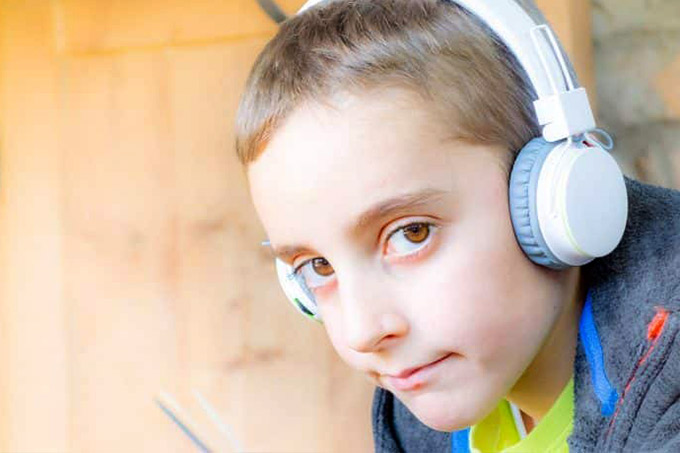
Une histoire vraie qui illustre cela est celle d'un enfant autiste qui trouve du réconfort en écoutant la même chanson encore et encore. Ces détails aident les enfants à comprendre l'autisme sans les submerger de termes complexes ou de détails médicaux.
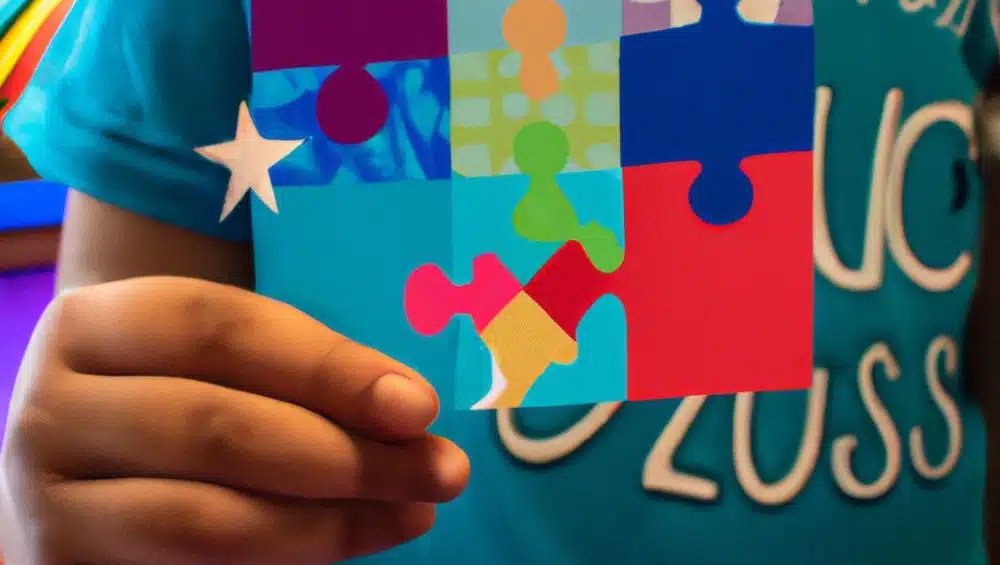
Autisme, c'est comme faire un puzzle où toutes les pièces n'ont pas envie de se rencontrer.
Conseils pour expliquer l'autisme aux enfants
Lorsqu'il s'agit d'expliquer l'autisme aux enfants, il est important de choisir les bons mots et d'utiliser des exemples concrets. Voici quelques conseils pour aider les enfants à comprendre ce qu'est l'autisme sans utiliser le terme "autisme":
- Expliquez que certaines personnes ont une manière différente de penser et de réagir aux choses, ce qui les rend spéciales.
- Utilisez des exemples concrets du quotidien pour illustrer certaines caractéristiques de l'autisme, comme la sensibilité aux bruits forts ou la préférence pour les routines.
- Soyez patient et compréhensif envers les enfants qui ont des difficultés à communiquer ou à interagir socialement.
- Encouragez l'inclusion en expliquant que chacun a sa propre façon d'être unique et que nous devons tous nous accepter mutuellement.
En encourageant la compréhension et l'acceptation dès le plus jeune âge, nous pouvons construire un monde où tous les enfants se sentent inclus et aimés, quelle que soit leur manière d'être spéciale. Ne manquez pas cette opportunité d'éducation précieuse pour aider vos enfants à développer leur empathie et leur compréhension.
Apprendre l'autisme aux enfants, c'est comme essayer d'expliquer les mathématiques à un chat - ça demande beaucoup de patience et ça risque d'être un peu... déroutant.
Ressources pour en apprendre davantage sur l'autisme
L'autisme est un sujet complexe, mais il existe de nombreuses ressources pour en apprendre davantage. Ces ressources offrent des informations approfondies sur l'autisme et aident à comprendre les défis auxquels sont confrontées les personnes autistes.
Pour approfondir vos connaissances sur l'autisme, voici six points essentiels :
| Type de ressource | Description |
|---|---|
| Livres spécialisés | Ecrits par des experts dans le domaine de l'autisme, ces livres offrent une compréhension approfondie de ce trouble. |
| Sites web informatifs | Nombreux sont les sites web spécialisés qui fournissent des informations précieuses sur l'autisme, notamment ses causes, ses symptômes et les différentes stratégies d'intervention. |
| Vidéos éducatives | Elles permettent d'avoir un aperçu visuel de ce qu'est l'autisme et aident à comprendre les comportements typiques chez les personnes autistes. |
| Organisations d'autisme | Elles offrent une variété de ressources, telles que des formations en ligne, des groupes de soutien et des événements éducatifs. |
| Témoignages personnels | Ceux-ci permettent d'avoir une perspective unique sur le vécu et les défis liés à l'autisme, qu'ils soient donnés par des personnes autistes ou leurs proches. |
| Conférences spécialisées | Elles rassemblent des experts renommés afin de partager les dernières recherches et pratiques dans le domaine de l'autisme. |
En vous plongeant dans ces ressources, vous découvrirez de nombreux aspects fascinants et enrichissants sur l'autisme. Il est important de garder à l'esprit que chaque personne autiste est unique et qu'il est essentiel de comprendre leurs besoins individuels pour favoriser leur inclusion et leur bien-être.
Selon une étude publiée dans le Journal of Autism and Developmental Disorders, une approche centrée sur les intérêts spécifiques d'une personne autiste peut être particulièrement bénéfique pour son développement social et émotionnel.
En conclusion, vous voilà désormais bien informé sur l'autisme ! C'est un peu comme essayer d'expliquer le dernier épisode de Game of Thrones à quelqu'un qui n'a jamais regardé la série, ça peut sembler compliqué, mais au final, ça vaut vraiment le coup ! Alors, embrassons nos différences et ouvrons notre esprit, car c'est dans la diversité que réside la magie de notre monde.
Conclusion
Il est important d'expliquer l'autisme aux enfants de manière claire et adaptée à leur niveau de compréhension, pour résumer. Il faut utiliser des termes simples et concrets, illustrer avec des exemples du quotidien et encourager les questions.
Un conseil professionnel serait aussi de solliciter l'aide d'un spécialiste pour fournir des informations précises et appropriées à chaque enfant.
Questions fréquemment posées
1. Qu'est-ce que l'autisme ?
Réponse : L'autisme est un trouble développemental qui affecte la façon dont une personne communique, interagit avec les autres et perçoit le monde qui l'entoure.
2. Comment expliquer l'autisme à un enfant ?
Réponse : Vous pouvez expliquer à l'enfant que les personnes atteintes d'autisme ont du mal à comprendre les règles sociales et que leur comportement peut être différent de celui des autres.
3. Est-ce que l'autisme se guérit ?
Réponse : L'autisme ne peut pas être guéri, mais les personnes atteintes peuvent apprendre des stratégies pour mieux s'adapter et interagir avec les autres.
4. Comment aider un enfant autiste ?
Réponse : Il est important d'offrir un environnement structuré et prévisible, de fournir des supports visuels et de communiquer clairement et concrètement.
5. Les enfants autistes ont-ils des talents spéciaux ?
Réponse : Les personnes atteintes d'autisme peuvent avoir des intérêts et des talents spéciaux, comme une mémoire exceptionnelle ou une habileté pour les mathématiques.
6. Comment peut-on sensibiliser les autres enfants à l'autisme ?
Réponse : En organisant des activités éducatives, en encourageant les enfants à poser des questions et en discutant des différences de chacun de nous, on peut sensibiliser les enfants à l'autisme.
Chaque don compte
Votre soutien permet à l'association de poursuivre son accompagnement auprès des personnes autistes et de leurs familles.
Nous SoutenirVous aimerez aussi

Susan Boyle et l'autisme : son diagnostic d'Asperger tardif
En 2009, le monde entier découvrait Susan Boyle sur la scène de Britain's Got Talent — et se moquait d'elle avant même qu'elle chante. Quatre ans plus tard, dans une interview accordée au Guardian, elle révélait pour la première fois un diagnostic qui éclairait rétrospectivement toute son enfance : le syndrome d'Asperger.
Comment l'autisme affecte-t-il les relations sociales ?
L’autisme peut influencer la manière dont une personne perçoit et établit des relations sociales, en affectant la communication, l’interprétation des signaux sociaux et les interactions avec les autres. Cet article explique de façon simple comment ces différences se manifestent et propose des clés pour mieux comprendre et soutenir les personnes autistes dans leurs relations sociales.

Les mythes courants sur l'autisme déboulonnés
Cet article décrypte et démystifie les idées reçues courantes sur l’autisme, en expliquant pourquoi certaines croyances populaires sont inexactes ou réductrices. En remettant en question ces mythes, il favorise une meilleure compréhension du trouble du spectre autistique et encourage des représentations plus justes, respectueuses et informées des personnes autistes.