Over 236,000 people are waiting for an autism assessment in the UK. How school, healthcare, and employment handle — or don't — this reality.
236,000 People Waiting: The UK's Real Crisis
In the UK, the debate isn't really about how many people are autistic — it's about how long it takes to get a diagnosis. As of June 2025, the NHS (Britain's public health system) had 236,225 people with an open autism assessment referral — of whom 89.4% had already waited more than 13 weeks, the officially recommended timeframe. (NHS England Digital)
A 2021 study estimated prevalence at 2.8% among boys and 0.65% among girls in England — and diagnoses jumped by 787% between 1998 and 2018. Another estimate suggests as many as 500,000 adults aged 20 to 49 in England may be autistic without ever having been diagnosed.
Sources: NHS England Digital; Priory Group.
Childhood: The EHCP, Britain's Answer to the French PPS
The UK's key school support tool is the EHCP (Education, Health and Care Plan) — a plan that coordinates education, health, and social support together, built with parents. In principle, it's close to France's Projet Personnalisé de Scolarisation, but broader in scope, since it also covers healthcare, not just school.
Autism alone accounts for 30% of all EHCPs issued in England. But getting one is far from automatic: 42% of first requests are refused, and autism is the reason behind half of all appeals to the specialist SEND Tribunal — the legal route families take when they don't get what they've asked for. (National Autistic Society study, 2023)
Only 25% of parents say they're satisfied with the support their child receives through an EHCP — a figure that gives a sense of the gap between the plan on paper and how it plays out in practice.
Adolescence: Early Planning, No Guarantee
On paper, the UK plans ahead earlier than the US: "preparation for adulthood" is required to begin as early as Year 9 (around ages 13-14) in every EHCP review, with concrete goals around employment, independence, and further education. An EHCP can legally continue up to age 25 in some cases — a more generous ceiling than the stricter US cutoff.
But planning ahead on paper doesn't always prevent a real-world break. A UK parliamentary committee itself found "no coherent transition strategy," support that "abruptly ceases at 18," leaving young people "isolated" in the face of fragmented adult systems. (UK Parliament, committee evidence)
Adulthood: The Same Waiting List, on a Different Floor
The delay crisis doesn't end when adolescence does — it simply changes shape. Adults never diagnosed in childhood end up in the very same NHS queue as children, facing the same waits that stretch well past the recommended 13 weeks. For those who grew up with an EHCP, its end marks a shift toward mental health and social care services designed for standard adult pathways — rarely calibrated for autism specifically.
The UK invested £125 million in 2023-2024 specifically for services related to learning disability and autism — a genuine effort, but one that has to cover a system where demand keeps growing faster than supply.
One figure stands apart, and it's a stark one: autistic people with co-occurring mental health conditions face a suicide risk 9 times higher than the general population — a reminder that waiting times are never just an administrative issue. (Priory Group)
What Really Sets the UK Apart From France
Unlike the US, the UK and France share a common principle: a universal public healthcare system, with no variable tied to a parent's employer. Britain's real point of friction isn't access to the system itself, but its structural slowness — an NHS waiting list affecting children and adults alike, not unlike the AESH delays seen in France, but on a far larger scale and with much greater political visibility.
The EHCP, unlike the French PPS, formally bundles health and care into a single document — whereas France keeps the school system (Éducation nationale, AESH, PPS) more separate from the medico-social world (MDPH, IME, CAMSP). Two different ways of trying to get the same sectors to work together.
Frequently Asked Questions
An Education, Health and Care Plan — a British plan that coordinates education, health, and social support for a child with a disability, including autism. The broader UK equivalent of the French PPS.
The recommended timeframe is 13 weeks, but as of 2025, around 89% of open referrals had already exceeded that — often by a wide margin.
Yes, potentially up to age 25 — but it isn't automatic, and a parliamentary committee has documented a real break in continuity for many young people at 18 despite this legal framework.
The right exists on paper, here as in France — but in the UK, the wait itself has become the real obstacle.
This "Around the World" series is a reminder that no country has fully solved the question of autism support at every stage of life — each one moves forward with its own strengths, and its own blind spots.
Sources: NHS England Digital (July 2024-June 2025); Priory Group; National Autistic Society study, 2023 (Tandfonline); UK Parliament, committee evidence; SEND Code of Practice 2024.
— ◆ —
Every donation matters
Your support helps the association continue its work with autistic people and their families.
Support UsYou May Also Like
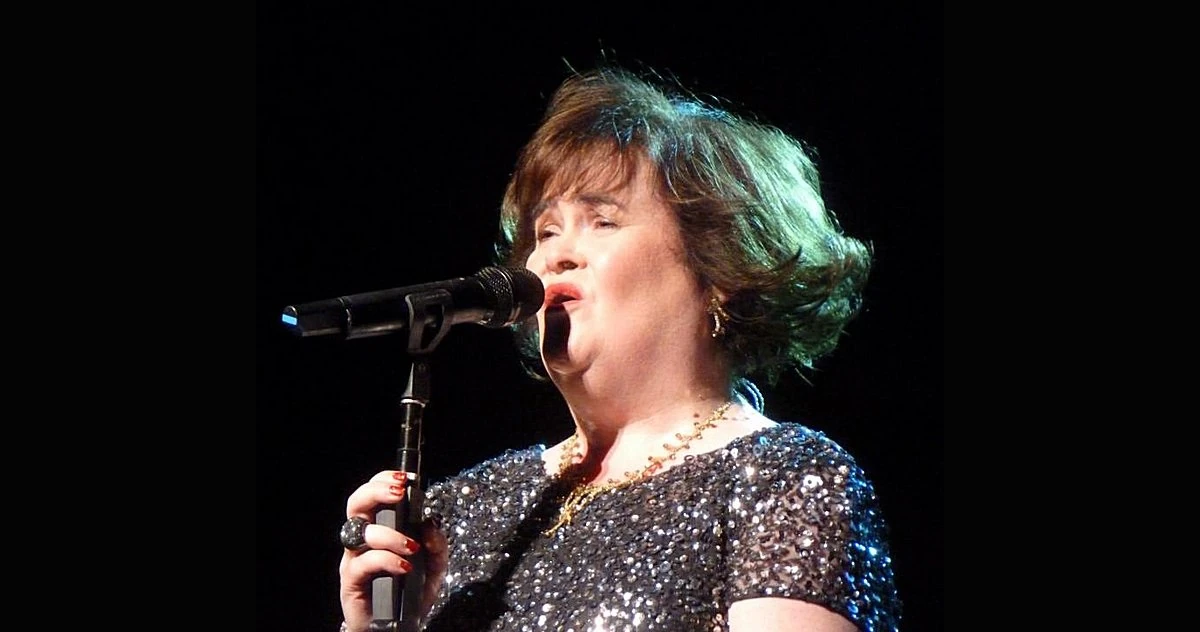
Susan Boyle and Autism: Her Late Asperger's Diagnosis
In 2009, the world discovered Susan Boyle on the stage of Britain's Got Talent — and mocked her before she'd even sung a note. Four years later, in an interview with The Guardian, she revealed for the first time a diagnosis that retrospectively explained her entire childhood: Asperger's syndrome.
Around the World: Autism in the United Kingdom
In the United Kingdom, the real question isn't "what support exists for autism?" anymore — it's "how long will it take to access it?" More than 236,000 people are currently waiting for a simple diagnostic assessment, and nine out of ten have already waited longer than the officially recommended timeframe. Here's how a country with universal healthcare ended up making the wait itself the main obstacle.
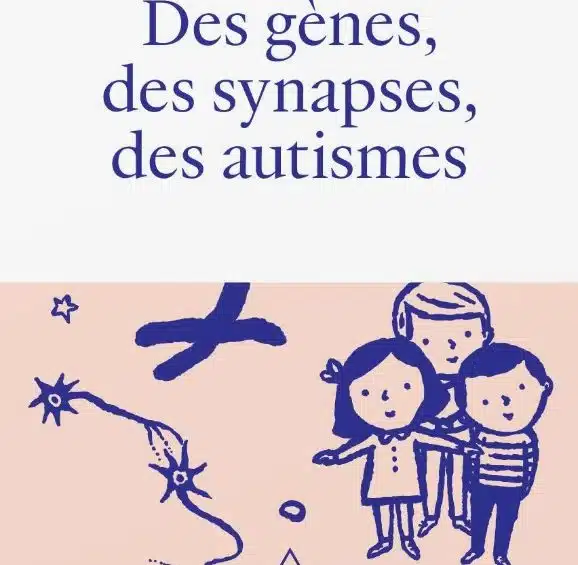
A journey towards the diversity of autistic people
This article explores the diversity of autistic people by looking at the links between genetics, synapses and autism, showing that biological variations contribute to the richness of profiles on the autism spectrum. It highlights the importance of understanding this diversity to better support each person in their development and particularities.