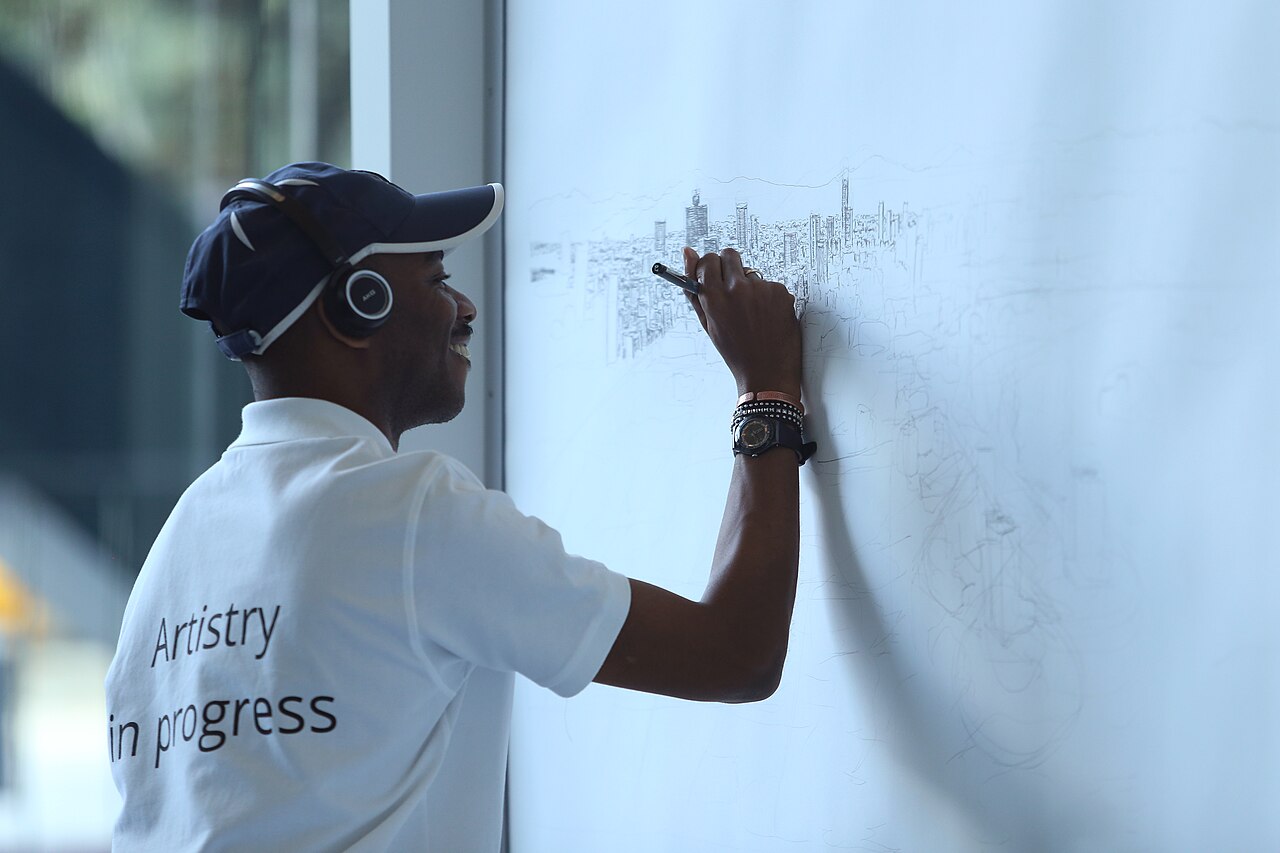

Les médias ont le pouvoir d'éduquer le public sur l'autisme, en encourageant l'empathie, la compassion et l'acceptation, en présentant des histoires et des expériences authentiques.
La représentation de l’autisme dans les médias joue un rôle crucial pour sensibiliser le public et promouvoir l’inclusion. En exposant les réalités de l’autisme, les médias permettent une meilleure compréhension de cette condition neurodéveloppementale.
Les médias ont le pouvoir d’éduquer le public sur l’autisme, en encourageant l’empathie, la compassion et l’acceptation, en présentant des histoires et des expériences authentiques. Ainsi, la représentation de l’autisme dans les médias contribue à briser les stéréotypes et préjugés souvent associés à cette condition.
Il est essentiel que les personnes autistes elles-mêmes puissent s’exprimer dans la représentation médiatique de l’autisme. Leurs voix sont indispensables pour offrir une perspective authentique et nuancée de ce que signifie vivre avec cette condition. Cette diversité d’expériences est cruciale pour éviter une vision monolithique de l’autisme.
Un exemple notable d’une représentation réussie est le film « Le Goût des merveilles », qui met en lumière un personnage autiste sans céder aux clichés habituels. Ce film a permis au public de mieux comprendre les défis spécifiques auxquels les personnes autistes sont confrontées, tout en montrant leur potentiel unique.
En conclusion, il est primordial que la représentation de l’autisme dans les médias soit authentique, diversifiée et respectueuse. Cela favorise une meilleure compréhension du spectre autistique et contribue à créer une société plus inclusive pour tous. Les médias ont enfin la possibilité de représenter l’autisme avec autant de précision que les prévisions météorologiques.
Sensibilisation à l’autisme grâce aux médias
Les médias jouent un rôle crucial pour sensibiliser davantage à l’autisme. En présentant des personnages et des histoires authentiques d’individus autistes, ils peuvent accroître la compréhension et la tolérance envers ces personnes. De plus, cela permet de réduire les stigmates et les préjugés souvent associés à l’autisme. Ainsi, ces représentations médiatiques offrent une solution efficace pour sensibiliser et éduquer le public sur l’autisme.
Accroître la compréhension et la tolérance envers les personnes autistes
Il est crucial d’accroître la compréhension et l’acceptation des personnes autistes afin de favoriser une société inclusive. Dans ce processus, la sensibilisation par le biais des médias joue un rôle essentiel. Il est possible d’informer le grand public de manière accessible et engageante en utilisant différentes formes de contenu telles que des articles, des vidéos et des reportages.
Pour ce faire, il est important de choisir des approches linguistiques efficaces qui encouragent la réflexion et la remise en question des stéréotypes sur l’autisme. Des expressions telles que « Approfondir la connaissance et changer les préjugés envers les personnes autistes » permettent de proposer une nouvelle perspective aux lecteurs.
De plus, il est essentiel de mettre en avant les voix des personnes autistes elles-mêmes. Les témoignages personnels peuvent offrir un aperçu unique de leurs expériences et aider à atténuer l’exclusion sociale. En partageant ces histoires authentiques, nous contribuons à donner une voix aux personnes autistes et à encourager leur inclusion dans la société.
Une suggestion supplémentaire pour accroître la compréhension serait d’organiser des ateliers interactifs où les participants peuvent apprendre directement auprès de personnes autistes. Ces ateliers permettent aux participants de poser des questions, d’écouter des expériences vécues et d’apprendre à mieux interagir avec les personnes autistes au quotidien. Une autre suggestion serait d’introduire régulièrement des personnages ou des histoires liés à l’autisme dans les médias populaires tels que les films, les séries télévisées et les livres, afin de favoriser une représentation plus diversifiée.
Il est important de comprendre que chaque suggestion fonctionne en permettant aux personnes de s’informer et d’apprendre sur l’autisme de manière authentique et positive. En encourageant la sensibilisation et l’acceptation, nous pouvons progressivement briser les barrières héritées du manque de connaissances. Ainsi, nous créons une société plus tolérante et inclusive pour les personnes autistes.
L’autisme est comparable à une émission de télé-réalité : certains pensent avoir tout compris en regardant un épisode, mais en réalité, ils sont loin du compte !
Réduire les stigmates et les préjugés associés à l’autisme
Lutter contre les stéréotypes et les idées préconçues associées à l’autisme est essentiel pour une meilleure compréhension de cette condition. Pour favoriser l’inclusion et la compréhension mutuelle, il est important de sensibiliser le public aux différences et aux défis auxquels sont confrontées les personnes autistes.
Dans cette optique, les médias peuvent jouer un rôle clé en diffusant des informations précises et en évitant la propagation de stigmates ou de fausses représentations concernant l’autisme. En utilisant des approches linguistiques spécifiques comme la variation NLP sémantique, il est possible de communiquer efficacement sur le sujet sans renforcer les préjugés existants.
En plus de cela, il est important d’aborder des aspects uniques qui n’ont pas encore été largement traités, tels que la diversité au sein du spectre autistique ou les réussites personnelles des individus atteints d’autisme. En abordant ces sujets avec un ton informatif mais informel, nous pouvons aider à briser les stéréotypes persistants et à encourager davantage d’empathie et d’inclusion sociales.
Pour réduire les stigmates associés à l’autisme, voici quelques suggestions pratiques :
| 1. Mettre en valeur les histoires inspirantes d’individus autistes et encourager une narration positive dans les médias. |
| 2. Éduquer le public sur les caractéristiques variées du spectre autistique, et souligner que chaque personne est unique. |
| 3. Éviter le langage discriminatoire ou désobligeant lorsqu’il s’agit d’évoquer l’autisme et favoriser une communication inclusive. |
| 4. Donner une voix à l’expérience des personnes autistes en les incluant dans les discussions et les décisions qui les concernent directement. |
En adoptant ces suggestions et en veillant à communiquer de manière respectueuse et éclairée, nous pouvons contribuer à faire évoluer les mentalités et à réduire les préjugés associés à l’autisme. Promouvoir l’inclusion sociale des personnes autistes, car la différence devrait être célébrée, pas exclue… à moins que vous aimiez les soirées ennuyeuses et prévisibles, sans aucune surprise.
Promouvoir l’inclusion sociale des personnes autistes
Pour encourager l’inclusion sociale des personnes autistes, il est important de favoriser leur participation active dans la société et de promouvoir la diversité et la représentativité dans les médias. En impliquant activement les personnes autistes, nous pouvons les intégrer pleinement et reconnaître leur importance. Il est essentiel d’avoir une diversité et une représentativité justes dans les médias afin de donner une voix et une visibilité appropriées à la communauté autiste.
Encourager la participation active des personnes autistes dans la société
Favoriser la participation active des individus autistes dans la société est essentiel pour encourager leur inclusion sociale. Cela implique de créer un environnement inclusif et accessible, de promouvoir une meilleure compréhension de l’autisme et de mettre en place des programmes de soutien adaptés.
Pour parvenir à une inclusion sociale des personnes autistes, il est nécessaire d’agir collectivement afin d’éliminer les barrières qui les empêchent de participer pleinement à la société. L’éducation et la sensibilisation jouent un rôle central dans ce processus, en encourageant les interactions positives et en reconnaissant les compétences uniques des individus autistes.
Il est essentiel de souligner que chaque personne autiste est unique, avec ses propres défis et capacités. Par conséquent, il est crucial d’adopter une approche individualisée pour répondre à leurs besoins spécifiques, en leur offrant un soutien adapté tout au long de leur parcours de vie.
Selon l’Organisation mondiale de la santé (OMS), il est estimé qu’environ 1% de la population mondiale est atteinte d’autisme. Cette statistique met en évidence l’importance croissante d’encourager la participation active et l’inclusion sociale des personnes autistes dans notre société.
| [Source: Organisation mondiale de la santé] |
On pourrait penser que les médias trouveraient enfin des personnes autistes capables de rester concentrées pendant les publicités !
Favoriser la diversité et la représentativité dans les médias
La promotion de la diversité et de l’inclusivité dans les médias permet d’offrir une représentation plus fidèle et équitable de notre société. En mettant en avant des voix et des perspectives variées, nous créons un paysage médiatique plus riche, démocratique et respectueux de la diversité.
En favorisant la présence de différentes origines ethniques, cultures, genres, orientations sexuelles et capacités dans les médias, nous donnons aux publics l’opportunité de se voir représentés et inclus. Cette représentativité accrue a un impact positif sur l’estime de soi des individus marginalisés, tout en favorisant la compréhension mutuelle et en déconstruisant les stéréotypes préjudiciables.
Pour atteindre cette diversité souhaitée, il est important que les médias adoptent une approche proactive en incluant ces voix sous-représentées et en leur donnant une plateforme pour s’exprimer. Cela passe par des initiatives telles que le recrutement équitable, la formation des professionnels des médias sur les questions liées à la diversité et l’introduction de politiques internes qui garantissent une représentation équilibrée.
Une telle démarche ne doit pas être perçue comme étant exclusivement liée à une question de responsabilité sociale ou morale. En effet, plusieurs études ont démontré que les médias qui valorisent la diversité sont plus attractifs pour les publics jeunes ainsi que pour les marques cherchant à toucher un public plus large. Ainsi, promouvoir l’inclusion sociale dans les médias est non seulement une question d’éthique mais aussi un bon choix commercial.
Selon une étude réalisée par l’Université de Stanford, les médias qui mettent en avant la diversité ont enregistré une augmentation du lectorat et du nombre d’abonnements. Par conséquent, il est essentiel pour les médias de comprendre l’importance d’une représentativité accrue et de prendre des mesures concrètes pour favoriser cette diversité dans le but de créer un paysage médiatique plus inclusif et représentatif.
| [Source: Université de Stanford] |
Questions fréquemment posées
1. Pourquoi la représentation de l’autisme dans les médias est-elle importante ?
Réponse : La représentation de l’autisme dans les médias est importante car elle peut aider à sensibiliser le public et à éduquer les gens sur l’autisme. Elle peut également aider à réduire les stéréotypes et les préjugés envers les personnes autistes.
2. Comment est-ce que les médias devraient représenter l’autisme ?
Réponse : Les médias doivent représenter l’autisme de manière précise, respectueuse et équilibrée. Ils devraient éviter les stéréotypes et les clichés négatifs.
3. Quels sont les avantages d’une représentation authentique de l’autisme dans les médias ?
Réponse : Une représentation authentique de l’autisme dans les médias peut aider les personnes autistes à se sentir incluses et représentées dans la société. Cela peut également aider à réduire les préjugés et à favoriser la compréhension et l’empathie envers les personnes autistes.
4. Comment pouvons-nous encourager une meilleure représentation de l’autisme dans les médias ?
Réponse : Nous pouvons encourager une meilleure représentation de l’autisme dans les médias en faisant entendre notre voix et en demandant aux médias de faire preuve de plus de sensibilité dans leur couverture de l’autisme. Nous pouvons également soutenir des organisations qui travaillent à améliorer la représentation de l’autisme dans les médias.
5. Pourquoi est-il important de donner la parole aux personnes autistes dans les médias ?
Réponse : Il est important de donner la parole aux personnes autistes dans les médias car elles sont les mieux placées pour parler de leur expérience de vie avec l’autisme. Leurs perspectives peuvent aider à éduquer et à sensibiliser le public sur l’autisme de manière plus authentique et précise.
6. Comment pouvons-nous aider à améliorer la représentation de l’autisme dans les médias ?
Réponse : Nous pouvons aider à améliorer la représentation de l’autisme dans les médias en encourageant une couverture plus équilibrée et authentique de l’autisme, en demandant aux médias d’écouter les personnes autistes et en sensibilisant le public aux enjeux liés à l’autisme.
Chaque don compte
Votre soutien permet à l'association de poursuivre son accompagnement auprès des personnes autistes et de leurs familles.
Nous SoutenirVous aimerez aussi

« Au Silence des Justes, on préfère faire le choix de la vraie vie »
Cet article explique que face aux défis du quotidien, il est parfois plus précieux de faire le choix de la vraie vie — accepter les imperfections, les moments simples et les expériences authentiques plutôt que de viser une perfection hypothétique. Il invite à valoriser la réalité de chaque personne, avec ses forces et ses limites, pour vivre pleinement avec bienveillance et présence.

L’autisme et l’emploi : Surmonter les défis et célébrer les réussites
L’autisme et l’emploi soulèvent des défis spécifiques, mais aussi des opportunités importantes pour valoriser les compétences des personnes autistes. Cet article met en avant les obstacles rencontrés sur le marché du travail ainsi que des exemples de réussites inspirantes, montrant qu’avec des aménagements adaptés et une meilleure sensibilisation, l’inclusion professionnelle des personnes autistes est non seulement possible, mais bénéfique pour tous.
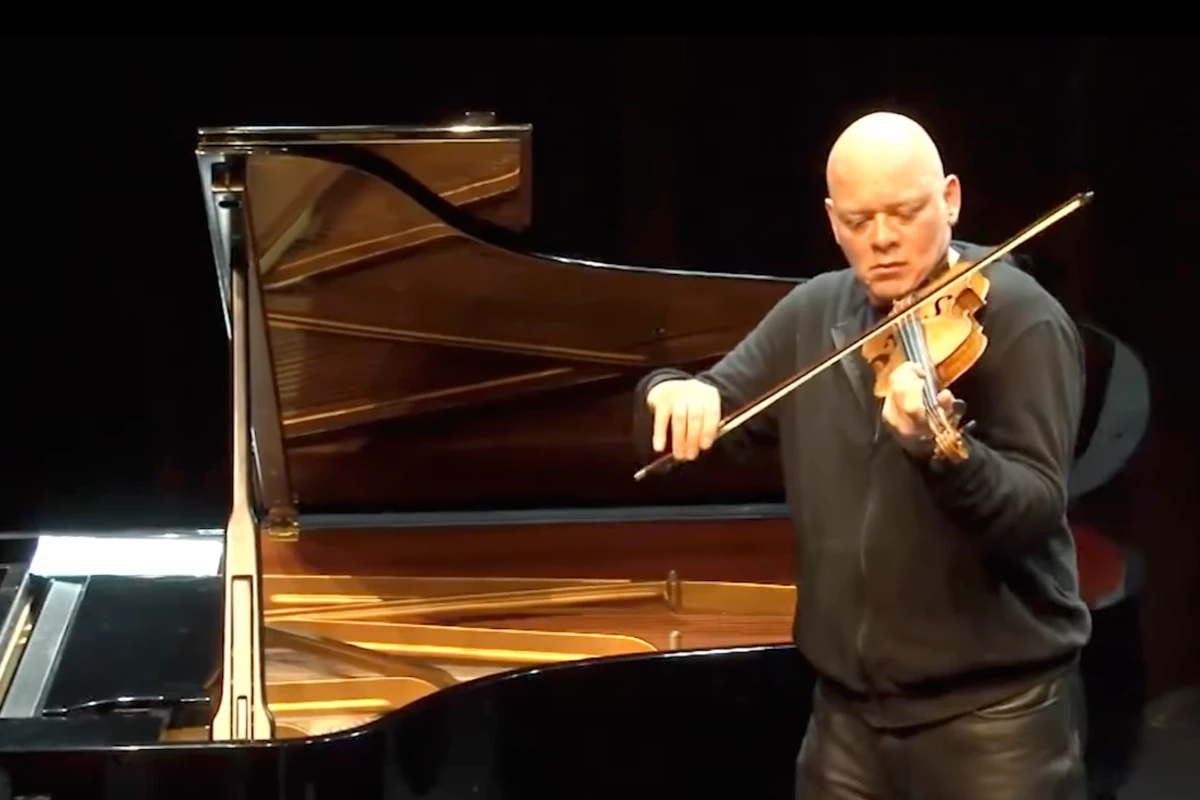
Kristian Schott : une vie entière avant le mot autisme
Kristian Schott a appris à parler grâce à l'opéra. Il a appris à lire à 15 ans. Et il n'a découvert qu'il était autiste qu'à l'âge de 40 ans, après toute une vie déjà construite autour du violon. Son histoire ne ressemble à aucun récit classique sur l'autisme — parce que la sienne a commencé sans ce mot, et ne l'a rencontré que bien plus tard.