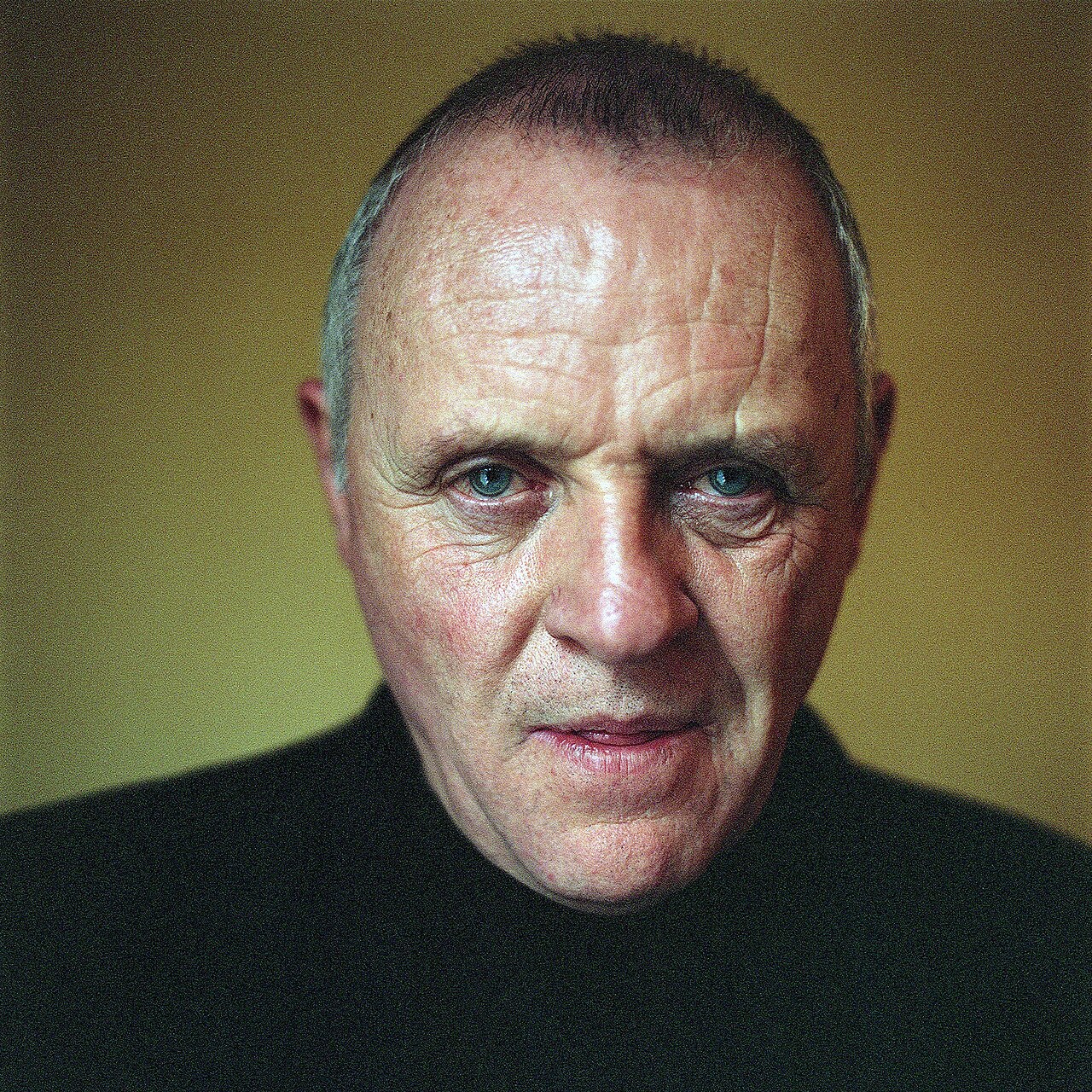
Port Talbot, Pays de Galles, années 1940. Une ville industrielle grise, dominée par les hauts-fourneaux, où les hommes ne parlaient pas de leurs émotions et où la réussite scolaire était la seule voie acceptée vers un avenir décent. Anthony Hopkins a échoué sur ces deux plans.
Il était l'enfant unique d'un boulanger — Richard Arthur Hopkins, qui tenait une petite boutique à Port Talbot sous l'enseigne « A. R. Hopkins and Son ». C'était un foyer modeste et rude, typique du monde ouvrier ; Hopkins raconterait plus tard que, chaque fois qu'il se sentait spécial ou différent, il pensait aux mains de son père — « ses mains calleuses et meurtries » — et redescendait sur terre. Enfant solitaire et introverti, incapable de se concentrer sur ce qu'on lui demandait d'apprendre, il se sentait bien davantage attiré par la peinture, le dessin et le piano — qu'il pratiquait des heures durant — que par le commerce familial ou la salle de classe. Sa dyslexie, qui ne fut jamais diagnostiquée à l'époque, ne fit qu'accentuer cet isolement. Ses professeurs ne savaient que faire de lui.
— Anthony Hopkins, à propos de son enfance
Son directeur à Cowbridge ne mâchait pas ses mots. Un jour, il lui dit sans détour : « Tu es un incapable fini. » Hopkins porta le poids de ces jugements pendant des décennies. Ils nourrirent sa colère, son alcoolisme — qu'il surmonta à 37 ans — et peut-être aussi cette intensité sans pareille qu'il déploya plus tard en tant qu'acteur.
Le tournant — Hamlet et Richard Burton
Tout changea à quinze ans, lors d'une rencontre improbable avec Richard Burton, déjà acteur célèbre et originaire de la même région du Pays de Galles. Burton l'encouragea à s'inscrire au Royal Welsh College of Music and Drama. C'est aussi à cette époque qu'Hopkins découvrit Hamlet à l'écran, dans la version de Laurence Olivier — cet homme qui, des années plus tard, le remarquerait et l'inviterait à rejoindre le National Theatre de Londres.
Quelque chose se déclencha. Non pas la discipline scolaire, non pas les codes sociaux — mais la capacité à habiter un personnage, à le disséquer, à le mémoriser dans ses moindres détails. Une capacité qui, avec le recul, ressemble fortement à ce que l'on appelle aujourd'hui l'hyperfocalisation.
Un cerveau construit pour la mémorisation
Sa méthode de travail est devenue légendaire à Hollywood. Hopkins relit ses scripts des centaines de fois — il évoque lui-même des chiffres allant jusqu'à 250 lectures pour un seul rôle — jusqu'à ce que les mots soient si profondément ancrés qu'ils deviennent instinctifs. Ce n'est pas du perfectionnisme ordinaire. C'est un rapport à la répétition et au détail qui dépasse ce que la plupart des acteurs peuvent ou veulent faire.
« Je suis obsédé par les chiffres. Je suis obsédé par le détail. J'aime que tout soit en ordre. Et la mémorisation. » Ce sont ses propres mots, qu'il a prononcés lors d'une interview accordée au Sunday Times en 2025 — des traits qu'il décrit sans les nommer, mais que son entourage identifie clairement comme caractéristiques du spectre autistique.
Le diagnostic — et son rejet
Vers 2014, alors âgé d'environ 76 ans, Hopkins commença à parler d'un diagnostic d'Asperger. Dans une interview de cette époque, que l'on cite souvent, il se décrivit comme « diagnostiqué Asperger, mais haut de spectre » — et pendant quelques années, il en parla assez librement, présentant son fonctionnement mental comme quelque chose qui avait discrètement façonné sa carrière : sa façon de regarder les gens différemment, d'analyser les personnages avec une précision clinique et de se débarrasser des conventions sociales pour disparaître entièrement dans un rôle.
Mais l'histoire prit un tournant inattendu plus d'une décennie plus tard. En novembre 2025, à 87 ans, lors de la promotion de ses mémoires, We Did OK, Kid, il livra au Sunday Times un récit très différent, qui ne s'articulait plus autour de ses propres mots d'antan, mais autour de son épouse. Stella Arroyave s'était penchée sur ses habitudes — l'obsession des chiffres et de l'ordre, la mémorisation compulsive — et lui avait dit : « Tu dois être Asperger. » Hopkins ne reconnaissait pas ce dont elle parlait, et sa réponse fut sans détour : il n'y croyait tout simplement pas. Quand on l'interrogea plus largement sur l'idée même d'un diagnostic tardif, il se montra tout aussi catégorique :
— Anthony Hopkins, The Sunday Times, novembre 2025
Ce basculement — d'un homme qui se disait autrefois « Asperger, haut de spectre » à un homme qui, dix ans plus tard, qualifie toute l'idée de non-sens — peut se lire de plusieurs façons. Peut-être un inconfort sincère face à l'idée d'être réduit à un diagnostic. Peut-être aussi un réflexe générationnel — Hopkins a grandi dans un monde où la différence ne se nommait pas : on la taisait, ou on la surmontait seul. Peut-être, à 87 ans, est-ce simplement sa manière de rester maître de son propre récit, même lorsque ce récit se contredit.
Une carrière hors normes
Quelle que soit l'étiquette qu'on lui attribue ou qu'il rejette, le palmarès parle de lui-même.


Ce que son histoire dit aux familles
L'histoire d'Anthony Hopkins n'est pas un conte de fées. C'est un parcours chaotique — des années d'échec scolaire, d'incompréhension et de solitude. Mais c'est aussi la preuve que ce que l'on prend pour des défauts peut devenir, dans le bon contexte, une force extraordinaire.
Sa mémoire obsessionnelle, son regard analytique sur les êtres humains, son indifférence aux normes sociales — qui lui a permis de jouer des monstres sans jamais ciller — tout cela aurait pu être étouffé, à la boulangerie comme en classe. L'école a essayé. Elle n'y est pas parvenue.
Ce qui a sauvé Hopkins, c'est qu'un homme — Richard Burton — a vu autre chose en lui. Et qu'un art — le théâtre — lui a offert un espace où sa différence n'était plus un problème à résoudre, mais une matière à façonner. Si l'histoire d'Hopkins résonne en vous, vous trouverez d'autres parcours et repères utiles dans nos ressources sur l'accompagnement au quotidien.
Au garçon de Port Talbot, qu'on disait « incapable fini », la vie a répondu par deux Oscars, un titre de chevalier et une filmographie qui traversera les siècles. Pas mal, pour quelqu'un qui ne savait pas ce qu'il faisait là.
Chaque don compte
Votre soutien permet à l'association de poursuivre son accompagnement auprès des personnes autistes et de leurs familles.
Nous SoutenirVous aimerez aussi

Comment naviguer dans le système scolaire avec un enfant autiste
Naviguer dans le système scolaire avec un enfant autiste implique de connaître les ressources disponibles, de communiquer efficacement avec les enseignants et d’adapter l’environnement d’apprentissage aux besoins spécifiques de l’enfant. L’article propose des conseils pratiques pour faciliter la scolarisation, renforcer la collaboration entre la famille et l’école, et offrir un soutien adapté qui favorise la réussite et le bien‑être de l’élève autiste.
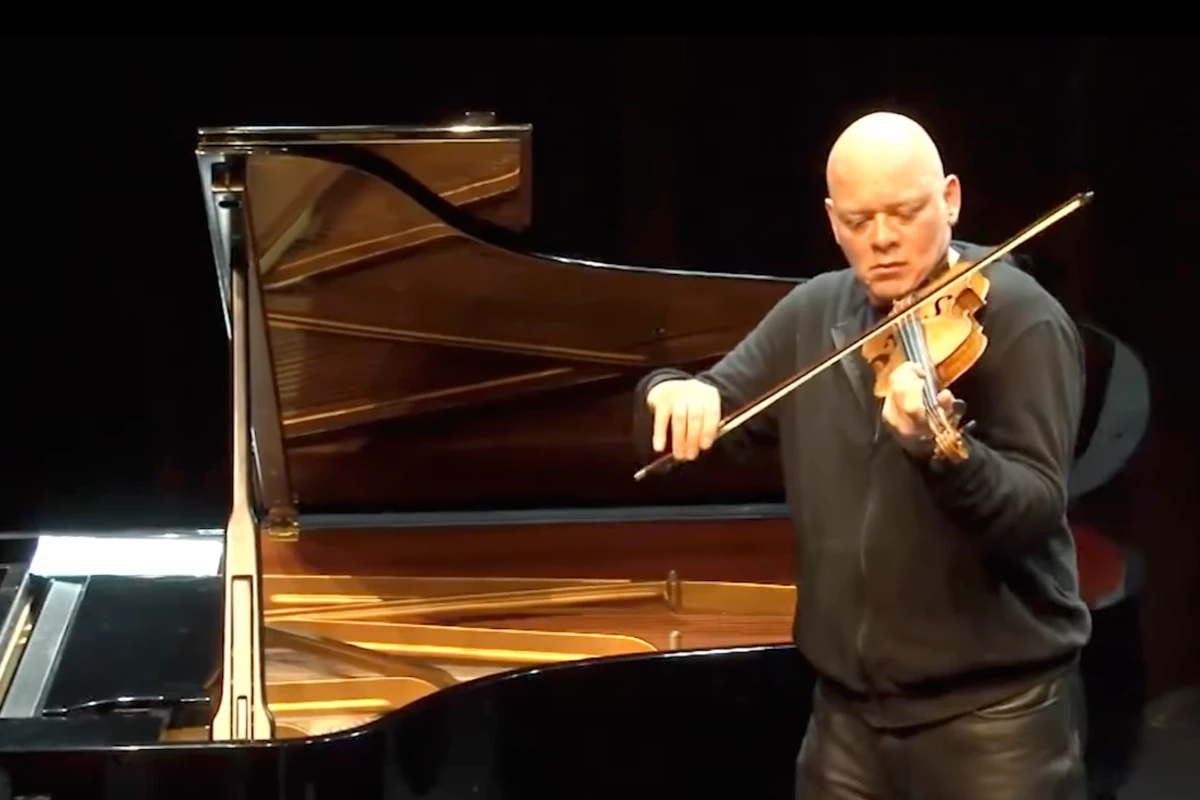
Kristian Schott : une vie entière avant le mot autisme
Kristian Schott a appris à parler grâce à l'opéra. Il a appris à lire à 15 ans. Et il n'a découvert qu'il était autiste qu'à l'âge de 40 ans, après toute une vie déjà construite autour du violon. Son histoire ne ressemble à aucun récit classique sur l'autisme — parce que la sienne a commencé sans ce mot, et ne l'a rencontré que bien plus tard.

Le rôle de la thérapie par le jeu
Les bienfaits multiples de la thérapie par le jeu pour les enfants autistes sont largement reconnus.