The multiple benefits of play therapy for autistic children are widely recognized.
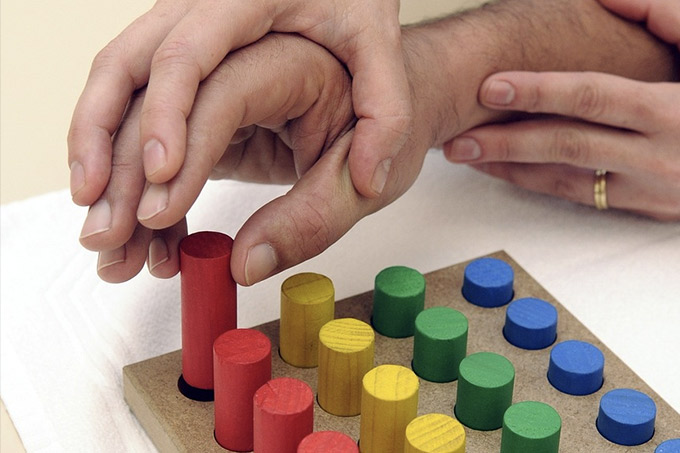
The multiple benefits of play therapy for autistic children are widely recognized. This innovative approach uses adapted games to promote social, emotional, and cognitive development in patients. In addition, playful activities allow children to express themselves, learn to manage their emotions, and improve their communication skills. Play therapy also provides a safe and caring environment where children can develop their social skills and interact with peers. They therefore have the opportunity to learn problem-solving, decision-making, and build self-esteem.
A success story highlights the effectiveness of this approach: that of a young autistic boy who had difficulty communicating verbally. Thanks to play therapy, he learned to use pictograms and gradually became able to express his needs and emotions more effectively. Today, he can interact independently with those around him, something that seemed impossible before participating in this innovative form of therapy.
When it comes to play therapy for autistic children, saying it gives no real results is a bit like installing Windows XP on a brand-new computer!
Play as a Therapeutic Tool for Autistic Children
Play is a powerful therapeutic tool to optimize support for autistic children. It offers a fun and engaging approach, allowing children to develop their social skills and communication. In addition, it gives them a platform to express themselves and communicate effectively.
Every donation matters
Your support helps the association continue its work with autistic people and their families.
Support UsYou May Also Like
Autism Volunteering: Join Our 30th Anniversary Campaign
Le Silence des Justes is celebrating its 30th anniversary on October 21, 2026. To make this milestone count, we're recruiting volunteers — flyering, online outreach, phone calls. Here's how to join us.
Autisme et scolarisation en France : les chiffres de la rentrée
Chaque rentrée de septembre, la même question revient pour des dizaines de milliers de familles : mon enfant autiste aura-t-il une place, un accompagnement, une scolarité qui lui convient vraiment ? Derrière cette question individuelle se cache une réalité nationale faite de progrès réels et de tensions persistantes. Voici ce que disent les chiffres.
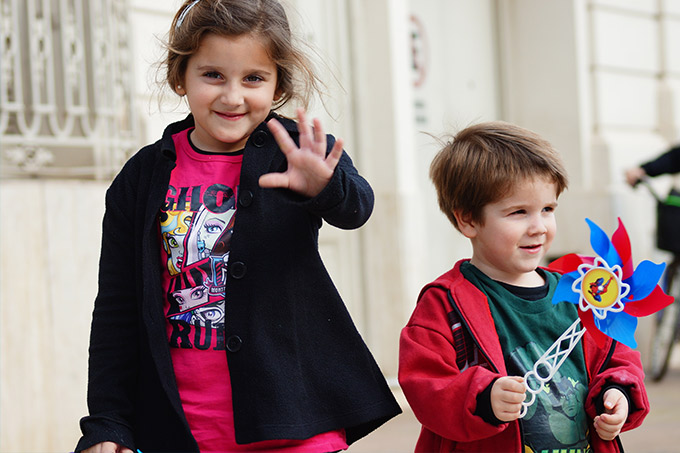
The impact of autism on brothers and sisters
The impact of autism on brothers and sisters highlights the emotions, responsibilities and unique family dynamics experienced by these children. It underlines how the presence of an autistic brother or sister can influence the development, relationships and well-being of siblings, while offering avenues to better understand, support and value their role within the family.