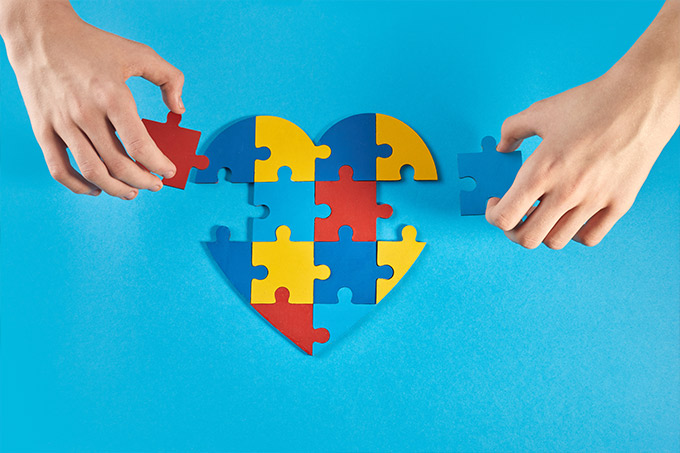
Diagnosing autism at the youngest age allows for tailored intervention that supports their overall development and fulfilment.
Early screening for autism is crucially important and cannot be underestimated. It allows affected children to benefit quickly from appropriate care, which considerably improves their chances of development and social integration.
By identifying the early signs of autism such as difficulties in communication, social interaction and repetitive behaviours, an early diagnosis makes it possible to intervene from the youngest age with appropriate therapies that foster skill development and learning.
It is also important to underline that an early diagnosis of autism allows families to benefit from specialised support and resources from the earliest stages of the disorder. This offers a better understanding of the condition and allows parents and relatives to support their child as well as possible on their journey.
To encourage early screening, it is recommended to raise awareness among health professionals so they can recognise the early signs of autism, and to encourage parents to be attentive to possible indicators in their child. It is also possible to use tools such as questionnaires or assessments to quickly identify atypical behaviours.
In conclusion, an early diagnosis of autism plays an essential role in caring for the children concerned. By identifying the signs from the youngest age, it makes it possible to provide tailored intervention that fosters their overall development and fulfilment. It is therefore crucial to raise awareness among the public and health professionals of the importance of early screening for autism.
Autism and its symptoms
The symptoms of autism are essential for an early diagnosis. Communication difficulties, repetitive behaviours and problems in social interaction are key signs. Early screening will allow children with autism to benefit from tailored interventions and improve their cognitive and social development. Parents should be attentive to these indicators in order to obtain appropriate care from the youngest age. In case of doubt, it is recommended to consult a health professional specialised in autism to obtain informed advice and take the necessary steps.
Early autism detectives are the true unsung heroes of our society. Their mission: to uncover hidden strengths from the youngest age.
One thing is certain: when it comes to diagnosing autism, it is better to have radar than blinkers. Life is already complicated enough as it is, so why not detect autism right from the start and give children the tools to take on every challenge?
There is no instruction manual for raising a child with autism, but with an early diagnosis, you can at least have the chance to read the fine print.
There is no time to lose: diagnosing autism early is a bit like setting the GPS for the road to the child's success.
An early diagnosis of autism is a bit like finding the first domino in a long chain. Once you have it, everything can fall – in the best sense of the term!
The advantages of an early diagnosis of autism
An early diagnosis of autism offers many advantages for the individuals concerned. First of all, it allows for early intervention that can help improve the child's social and emotional development. In addition, an early diagnosis also allows families to benefit quickly from the support and resources needed to face the challenges associated with autism. Furthermore, an early diagnosis facilitates a better understanding of the child by health professionals and educators, which fosters targeted intervention tailored to their specific needs. Finally, it also makes it possible to avoid years of uncertainty for the family concerned.
Some studies show that children diagnosed early can benefit from intensive intervention programmes such as Applied Behaviour Analysis (ABA), which have been proven effective in improving social and behavioural skills in children with autism. Other research also underlines that the earlier the diagnosis is made, the better the chances of improving social interactions and language skills in children with autism. In addition, an early diagnosis also gives families the opportunity to access support groups and networks specific to autism, which can be extremely beneficial for their emotional well-being.
It is important to note that every child is unique and not all show the same early signs of autism. However, there are certain common characteristics to watch for, such as developmental delays, difficulties in communication and social interaction, as well as repetitive behaviours. If you observe these signs in your child, it is recommended to quickly consult a health professional specialised in autism.
According to the National Institute of Mental Health (NIMH), an early diagnosis of autism allows children and families to access appropriate services and interventions more quickly to improve their quality of life.
The challenges associated with the early diagnosis of autism
Early screening for autism presents significant challenges for health professionals. It is crucial to detect the early signs of autism in order to initiate early intervention and improve long-term outcomes. However, there are various obstacles such as the variability of symptoms and the lack of specialised resources that make early diagnosis complex.
One of the main challenges in the early diagnosis of autism lies in recognising the early signs in young children. These signs can vary considerably from one individual to another, making it difficult for health professionals to establish a clear diagnosis. In addition, there is also a lack of awareness and adequate training to identify these signs in toddlers, which can delay the diagnosis.
Another major challenge is the lack of specialised resources available to carry out accurate and thorough assessments in young children suspected of having autism. Diagnostic services are often limited, which sometimes results in lengthy waiting lists or restricted access to qualified specialists able to assess children correctly. This can delay the early diagnosis process even further.
In this article, we have addressed some of the common challenges associated with the early diagnosis of autism. To overcome these obstacles, it is essential that health professionals stay informed about advances in the field of early autism screening and that they are trained to recognise the early signs. In addition, it is crucial to invest in the creation of specialised resources and to improve access to diagnostic services for young children suspected of having autism.
In conclusion, the early diagnosis of autism is a complex challenge, but an essential one for improving the long-term outcomes of individuals. By overcoming the obstacles associated with recognising the early signs and by investing in specialised resources, we can better support young children with autism and their families from the earliest stages of development.
Methods of early diagnosis of autism
The approaches used to diagnose autism early are varied and essential. Professionals use methods such as clinical observation, specific assessment tools, developmental scales and the study of social behaviour to detect the early signs of autism in children. This early diagnosis is crucial because it allows for early and targeted intervention, which can considerably improve the long-term prognosis of the individuals concerned.
In addition, there are technology-based approaches that offer a new perspective for the early diagnosis of autism. For example, through the use of machine learning techniques and image analysis, it is possible to extract valuable data from videos or photos of infants and young children in order to identify certain traits associated with autism. These technological advances open up new possibilities for improving early diagnosis and providing appropriate support to children with autism from the youngest age.
It is also important to underline that early diagnosis is not limited to doctors specialised in autism spectrum disorders. Parents play an essential role in carefully observing their child's development and behaviour. Their vigilance can lead to an earlier medical consultation, which makes it possible to access appropriate interventions more quickly.
Finally, I remember the moving case of a mother who, thanks to her intuition and her careful observations, was able to detect the early signs of autism in her son. Despite initial doubts from health professionals, she insisted on obtaining a more thorough diagnosis, which ultimately allowed for early and tailored care. This story highlights the importance of parental vigilance and self-confidence in recognising the early signs of autism in children.
In conclusion, the early diagnosis of autism is essential for caring for the individuals concerned.
Conclusion
It is crucial to ensure appropriate care by establishing an early diagnosis of autism. By identifying the early signs and carrying out appropriate assessments, it is possible to put in place early interventions that foster the child's development and autonomy.
By prioritising an early diagnosis of autism, children are given earlier access to specialised interventions. These interventions may include behavioural and educational therapies aimed at strengthening social and communication skills, as well as easing the specific difficulties associated with this autism spectrum disorder.
Another important aspect of early diagnosis is the possibility of providing adequate family support. Parents can benefit from information about the disorder, practical advice and resources to help them better understand and support their child throughout their development. An early diagnosis also allows families to access appropriate medical, educational and community services more quickly.
Do not miss this crucial opportunity to intervene early in the life of a child affected by autism. By looking for the early signs, consulting qualified professionals and being part of the support network surrounding this exceptional child, you maximise the chances of improving their future quality of life.
Frequently asked questions
Q: What is autism?
A: Autism is a developmental disorder that mainly affects communication and social interaction.
Q: How is autism diagnosed?
A: The diagnosis of autism is established by assessing the person's behaviours and symptoms. Professionals often use questionnaires and tests to help make the diagnosis.
Q: Why is an early diagnosis important?
A: An early diagnosis of autism can help ensure that the child receives the services and support they need earlier in life, which can considerably improve their future prospects.
Q: What are some of the early signs of autism?
A: Some of the early signs of autism may include a lack of social interaction, language delays, repetitive movements and limited interest in others.
Q: How is autism treated?
A: There is no single treatment for autism. Therapeutic interventions may include behavioural therapies, sensory therapies, and medication to treat related symptoms, such as anxiety or depression.
Every donation matters
Your support helps the association continue its work with autistic people and their families.
Support UsYou May Also Like
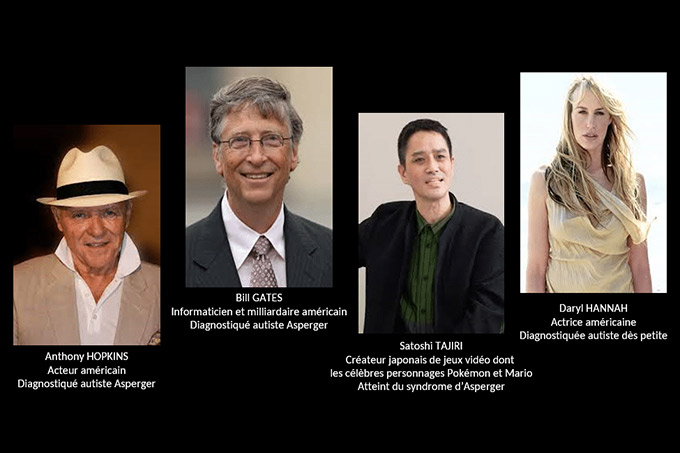
The journey of famous autistic people
The journey of famous autistic people highlights inspiring trajectories that show the diversity of talents and successes within the autism spectrum. By discovering these testimonies, we value the unique skills of autistic people and encourage a better understanding and recognition of their contributions to society.
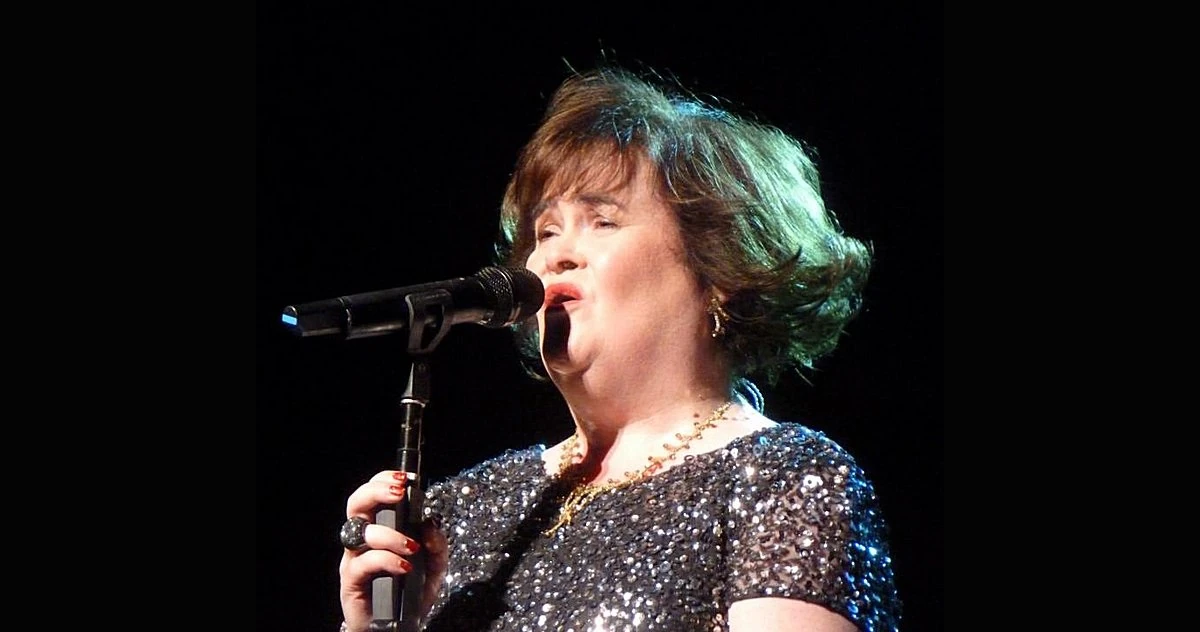
Susan Boyle and Autism: Her Late Asperger's Diagnosis
In 2009, the world discovered Susan Boyle on the stage of Britain's Got Talent — and mocked her before she'd even sung a note. Four years later, in an interview with The Guardian, she revealed for the first time a diagnosis that retrospectively explained her entire childhood: Asperger's syndrome.
The benefits of social inclusion
Social inclusion offers many benefits for autistic people, including by fostering their self-confidence, their interactions and their active participation in community life. By valuing acceptance, understanding and the adaptation of environments, we allow everyone to thrive fully in society.