Entretien avec Stéphane Benhamou Fondateur et directeur général de l'association du Silence Des Justes.
Entretien avec Stéphane Benhamou Fondateur et directeur général
Que retenez-vous de l'année 2022 ?
Je retiens deux mots : formation et inclusion. Nous avons énormément avancé sur ces sujets, notamment dans les domaines scolaire et professionnel. Des gros progrès sont également à noter concernant le diagnostic précoce des enfants de moins de 3 ans.
Quels progrès l’association a-t-elle fait dans le domaine l’inclusion scolaire ?
En 2021, nous avions mis en place des dispositifs pour préparer, en amont, les enfants avec autisme à intégrer l’école. Cette année, les médecins et les psychologues du Silence des Justes ont sensibilisé et formé à l’autisme les chefs d’établissement, les enseignants et les enfants neurotypiques. L’inclusion scolaire est encore très décriée en France. On nous dit souvent que les enfants avec autisme ne peuvent pas s’intégrer parce qu’ils sont violents ou parce que leur présence va perturber la classe. Cependant, cela ne se produit pas quand les enfants sont préparés. On l’a constaté : même chez les plus jeunes, lorsqu’ils sont un tout petit peu informé sur l’autisme, ils agissent pour faire une place à leur camarade avec TSA. Ils l’aident, l’accompagnent et ça marche. Avec plusieurs établissements, nous avons constitué des équipes pluridisciplinaires qui ont aménagé des parcours d’accompagnement adaptés. Ceux-ci fonctionnent dans la plu- part des cas et avec des profils d’enfants avec TSA différents. C’est une petite victoire qui sera encore plus importante quand les investissements nécessaires suivront. Je pense en particulier au recrutement de personnel spécialisé tels que des psychologues et des psychomotriciens. L’école doit intégrer des dispositifs médicoéducatifs pour accueillir les enfants avec autisme.
Qu'en est-il de l'inclusion professionnelle ?
Nous avons des stages qui se sont transformés en contrats de travail cette année. L’association a aussi recruté des éducateurs spécialisés et techniques dans les domaines du jardinage, de la cuisine, de la pâtisserie, de la plomberie, etc. Les adolescents et adultes avec autisme doivent pouvoir découvrir les métiers et faire des choix de formation et d’emploi en fonction de leurs goûts. Le Silence des Justes développe aussi un partenariat avec Cap Emploi Ile de France pour aboutir à la création de guichets adaptés aux personnes avec TSA. .
L’actualité a-t-elle impacté les activités du Silence en 2022 ?
Effectivement, en commençant par un événement majeur : l’élection présidentielle. La vie citoyenne et démocratique est un droit pour les personnes avec autisme. Nous avons formé les jeunes adultes au processus électoral. Ils ont suivi la campagne avec leurs éducateurs. En- suite, le maire du 19e arrondissement de Paris, M. Dagnaud, les a accueillis pour leur expliquer les règles du vote et la manière de déposer un bulletin dans l’urne. Ainsi, pour la première fois, ils ont voté le jour J, en ex- primant un vrai choix et sans crise de panique dans l’isoloir. La Coupe du monde de football a été un autre temps fort. Nous sommes partis pendant dix jours au Qatar avec dix enfants du Silence des Justes et trente élèves d’une classe de CM2. Ils ont assisté à trois matchs de l’équipe de France. Beaucoup de gens nous ont interrogé sur le bienfondé de ce voyage. Pourtant, le sport passionne tous les enfants, avec ou sans autisme. Nous avons vécu des grands moments de socialisation, de découverte et d’ouverture culturelle. Ils sont revenus profondément épanouis. Cela représente un investissement important, cependant, imaginez l’argent nécessaire quand il faut mettre en place des dispositifs médicaux parce que les enfants vont mal… Au Silence des justes, on préfère toujours faire le choix de la vraie vie. Malheureusement, nous avons également été impactés par une actualité dramatique : l’invasion de l’Ukraine. Cela nous conduit à organiser l’accueil d’une fillette traumatisée par les événements dans son pays.
L’expérimentation de la structure du Silence des Justes autorisée par l’Agence régionale de santé a pris fin cette année, quel bilan en tirez-vous ?
Elle s’est conclue par la création d’un Institut médico- éducatif de 32 places et d’une Maison d’accueil spécialisée de 34 places. Parallèlement, les cellules d’urgence médicalisées pour enfants, adolescents et adultes ont été maintenues. Cette expérimentation a permis de donner un cadre administratif et juridique à l’association, de sécuriser et de pérenniser des places. Des familles et des fratries vont pouvoir évoluer sans rupture de parcours. Le bilan est donc excellent. C’est aussi une reconnaissance des capacités d’accueil et d’innovation de notre structure. 2022 a été marquée par les revalorisations salariales actées par les mesures SÉGUR : une reconnaissance du travail de vos équipes ? Ces revalorisations étaient nécessaires, d’autant plus après la période de Covid, pendant laquelle nos équipes ont été extrêmement sollicitées et mobilisées. C’est une forme de reconnaissance qui demeure néanmoins insuffisante. Au Silence des Justes, nous avons la chance d’avoir peu de turn-over et nous avons conscience qu’il faut défendre la pérennisation des emplois, la professionnalisation et, bien sûr, les salaires de nos employés.
Comment évoluent vos usagers par tranches d'âge ?
J’ai connu l’autisme il y a 30 ans en accueillant un adolescent avec TSA dans une colonie d’enfants neurotypiques. Ce séjour a constitué une seconde chance pour lui. Aujourd’hui, le diagnostic et la prise en charge précoces permettent d’enrayer plus tôt le développement des TSA. La situation des enfants est donc rassurante. Mais, bien sûr, après le diagnostic, il faut des places, des prises en charge et des dispositifs inclusifs. Concernant les adolescents et les adultes, nos voies de professionnalisation commencent à at- teindre des objectifs tangibles. Nous leur proposons une véritable plateforme de découverte des métiers. Leurs stages en entreprise se multiplient. Nous progressons sur le développement de leur autonomie. Le Silence des Justes travaille maintenant sur le vieillissement de ses usagers. Des projets sont à l’étude pour l’accompagnement des personnes de plus de 60 ans. Nous en reparlerons l’année prochaine.
L’association est-elle toujours autant sollicitée pour des urgences ?
Oui, elle l’est toujours autant et quasiment quotidiennement, avec beaucoup de situation complexes et d’urgences en pédopsychiatrie et en psychiatrie. Cette année, la nouveauté, c’est que ces urgences sont arrivées de toute la France : Marseille, Nantes, Brest, Lyon… Les effectifs de nos cellules d’urgence médicalisées ont augmenté de 30 %. Nous sommes constamment sollicités par les juges, les départements et leurs services d’aide sociale à l’enfance, la direction interministérielle à l’autisme… Répondre à ces urgences est essentiel pour l’association. C’est dans notre ADN et notre responsabilité la plus élémentaire.
L’activité de l’association a augmenté de 226 % depuis 2019, comment faites-vous face à ce phénomène tout en préservant la qualité d’accompagnement ?
Le Silence des Justes possède deux points forts : sa réactivité et sa créativité. Quand il n’y a plus de place, nous ouvrons un nouvel appartement. Quand un enfant arrive en urgence, nous lui proposons immédiatement des activités rassurantes encadrées par des personnes bienveillantes. Avec la crise du Covid et les 300 prises en charges supplémentaires que le Conseil national de santé publique nous a demandé de réaliser, nous avons acquis une capacité de recrutement et de formation quasi immédiate. De plus, nous bénéficions d’une structure médicale qui travaille main dans la main avec les équipes éducatives pour accompagner les usagers et les urgences 24 heures sur 24. Nous avons aussi obtenu l’habilitation pour délivrer le Certificat national d’intervention en autisme et ouvert un centre de formation. Pour répondre aux nouveaux besoins, l’association a aménagé une maison près de Cabourg en août 2022. Elle y accueille des urgences et des familles qui participent à des week-end apprenants, ou se ressourcent pendant des courts séjours de répit accompagnées par nos équipes. Nous y organisons des activités en harmonie avec la nature et en collaboration avec les professionnels de la protection du littoral. Ce type de micro-structure est parfait pour pérenniser les accompagnements et favoriser le bon développement des personnes avec autisme
Le Silence des Justes possède deux points forts : sa réactivité et sa créativité
Où en sont les projets lancés en 2022 ?
Les séjours de répit pour les familles et le centre de formation aux TSA ont été créés. Nos projets d’ouverture d’une unité pour les moins de 3 ans et d’atelier de formation aux métiers de la restauration, La Table des Justes, aboutiront bientôt. L’association souhaitait moderniser son parc automobile cette année mais nous avons manqué de donateurs. Néanmoins, Le Silence des Justes a réalisé un investissement de 150 000 € pour acquérir cinq véhicules électriques. Cette transition écologique est vitale.
Quels sont vos objectifs en 2023 ?
Nous allons professionnaliser encore et encore les équipes. Le Silence des Justes doit continuer de progresser dans la connaissance de l’autisme pour renforcer ses stratégies éducatives, ses dispositifs inclusifs, ses partenariats avec le monde de l’école et de l’entreprise. L’association va continuer à créer des places et des microstructures pour répondre aux urgences, développer les week-ends apprenants et les séjours de répit familiaux. Intensifier nos efforts en direction des familles et des fratries est indispensable. 2023 sera aussi l’année de notre développement
international : nous sommes à l’initiative et nous co-organisons, avec notre partenaire Axa, le premier Salon de l’autisme en Afrique, au Cameroun. L’autisme est un problème planétaire. Nous devons partager nos connaissances. Pour cette raison, le Silence des Justes travaille déjà avec des universités et centres de recherche aux Comores et en Israël.
L’association lance par ailleurs un magazine : L’Autisme & nous, un média d’information indépendant destiné à sensibiliser tout le monde sur les besoins des personnes avec autisme et les bienfaits de l’inclusion. Mettre en œuvre tout ce qui peut impacter la société en faveur de l’autisme relève, aussi, de notre responsabilité.
Quels sont les besoins du Silence des Justes pour répondre à tous ces objectifs ?
L’association a évidemment des besoins financiers très importants que l’État ne couvre pas et que nous sommes obligés d’aller chercher auprès de donateurs et de mécènes. On va accentuer nos actions dans ce domaine. J’attends, en outre, beaucoup du travail de la Cour des comptes qui doit examiner, en 2023, où va l’argent alloué à l’autisme en France. Heureusement, au Silence des Justes, nous avons la particularité d’imaginer les projets avant l’arrivée des budgets. Nous sommes positifs et jamais à court d’idées.
Chaque don compte
Votre soutien permet à l'association de poursuivre son accompagnement auprès des personnes autistes et de leurs familles.
Nous SoutenirVous aimerez aussi

L’autisme chez les adultes : Qu’est-ce qui change ?
L’inclusion des personnes autistes sur le marché du travail passe par la compréhension des défis liés à l’emploi et la valorisation de leurs compétences spécifiques. Cet article met en lumière à la fois les obstacles courants rencontrés dans la recherche d’emploi et les réussites inspirantes, montrant qu’avec des aménagements adaptés et une meilleure sensibilisation, l’emploi des personnes autistes peut être une réalité bénéfique pour tous.
« Au Silence des Justes, on préfère faire le choix de la vraie vie »
Cet article explique que face aux défis du quotidien, il est parfois plus précieux de faire le choix de la vraie vie — accepter les imperfections, les moments simples et les expériences authentiques plutôt que de viser une perfection hypothétique. Il invite à valoriser la réalité de chaque personne, avec ses forces et ses limites, pour vivre pleinement avec bienveillance et présence.
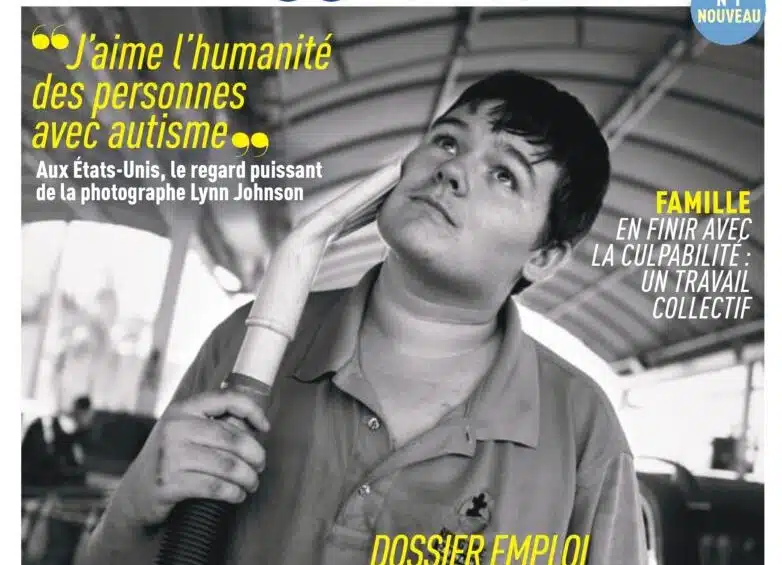
Magazine : « L’Autisme & nous »
Le magazine L’Autisme & nous est une publication dédiée à la compréhension, à la sensibilisation et au partage d’expériences autour de l’autisme, en proposant des articles, des témoignages et des ressources pour soutenir les familles, les professionnels et toute personne souhaitant mieux comprendre le spectre autistique.