
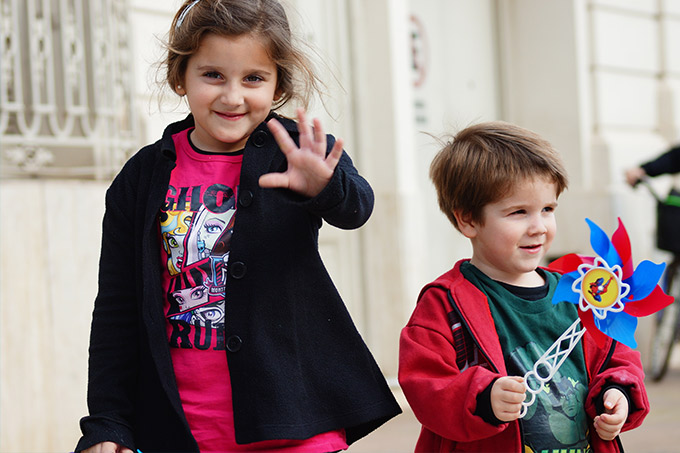
Il est essentiel de fournir un soutien approprié à ces fratries pour les aider à faire face et à prospérer malgré cette situation.
Les frères et sœurs sont souvent impactés de manière significative par l’autisme au sein de leur famille. Cette condition a un impact important sur leur vie quotidienne, leurs relations familiales et leur développement émotionnel. Ils peuvent ressentir du stress, de la confusion et même du ressentiment face aux défis que l’autisme pose à leur frère ou sœur. Il est essentiel de fournir un soutien approprié à ces fratries pour les aider à faire face et à prospérer malgré cette situation.
L’autisme crée des dynamiques familiales complexes : L’autisme peut générer des sentiments d’injustice, d’incompréhension et de déséquilibre dans une famille. Les frères et sœurs d’un enfant autiste peuvent se sentir délaissés ou négligés en raison des besoins plus intensifs de leur frère ou sœur.
L’autisme peut affecter la relation entre les frères et sœurs, car il peut y avoir une difficulté à communiquer, à interagir ou à partager des expériences communes. Cela peut entraîner un manque de connexion émotionnelle et de soutien mutuel.
Les frères et sœurs d’un enfant autiste peuvent faire face à un stress émotionnel considérable en raison des défis constants auxquels ils sont confrontés. Ils peuvent se sentir isolés, dépassés ou responsables du bien-être de leur frère ou sœur.
Vivre avec un membre autiste de la famille peut façonner la personnalité, les attitudes et les perspectives des frères et sœurs. Ils peuvent développer une sensibilité accrue, une compassion et une perspective unique sur le monde.
Les frères et sœurs des personnes autistes ont besoin de soutien dans leur propre processus de développement émotionnel. Il est crucial d’offrir des ressources telles que du counseling ou des groupes de soutien pour les aider à naviguer dans leurs propres défis.
Dans cette situation complexe, chaque membre de la famille joue un rôle important. Il est essentiel que les parents reconnaissent l’impact qu’a l’autisme sur les frères et sœurs et fournissent un soutien émotionnel et pratique à tous les membres de la famille.
De plus, partager des histoires personnelles peut servir de rappel que personne n’est seul dans ses expériences. Une histoire vraie concerne Sarah, qui s’est sentie submergée par les demandes de soins de son frère autiste. Malgré les difficultés, elle a finalement découvert un lien profond avec son frère et est devenue une défenseure de la sensibilisation à l’autisme. Cette histoire met en évidence le potentiel de croissance, de résilience et d’amour qui peut émerger de la relation unique entre des frères et sœurs affectés par l’autisme.
Quand on dit que la vie est pleine de surprises, les frères et sœurs d’un enfant autiste en ont fait la preuve… mais en mode turbo !
Les émotions et les expériences des frères et sœurs d’un enfant autiste
La relation entre les frères et sœurs d’un enfant autiste est complexe et peut susciter toute une gamme d’émotions et d’expériences uniques. Ces relations peuvent aller de la frustration occasionnelle à l’amour inconditionnel, et peuvent être influencées par plusieurs facteurs, notamment la dynamique familiale, la personnalité individuelle de chaque membre de la fratrie et le soutien reçu. Il est important de reconnaître que les frères et sœurs jouent souvent un rôle crucial dans le développement social, émotionnel et cognitif de l’enfant autiste.
Les frères et sœurs peuvent ressentir des émotions mixtes, telles que l’amour pour leur frère ou leur sœur autiste, mais aussi de la colère ou même du ressentiment face aux défis auxquels ils sont confrontés en raison du trouble. Ils peuvent également éprouver des sentiments de culpabilité ou d’injustice lorsqu’ils se comparent aux autres familles sans enfant autiste. Il est important pour les parents et autres membres de la famille d’être sensibles à ces émotions complexes et d’offrir un soutien approprié aux frères et sœurs.
Il peut être utile pour les frères et sœurs d’un enfant autiste de chercher du soutien extérieur, comme rejoindre des groupes de soutien pour enfants ayant des frères ou des sœurs atteints d’autisme. Ces groupes offrent un espace sûr où ils peuvent partager leurs expériences, obtenir des conseils pratiques et apprendre des stratégies pour faire face aux défis spécifiques qu’ils rencontrent.
En conclusion, il est essentiel de tenir compte des émotions et des expériences des frères et sœurs d’un enfant autiste. Leur rôle est souvent sous-estimé, mais ils peuvent jouer un rôle important dans le soutien de leur frère ou leur sœur atteint d’autisme. Par conséquent, offrir un soutien adapté à leurs besoins est essentiel pour favoriser des relations familiales saines et équilibrées.
Félicitations aux frères et sœurs d’enfants autistes pour avoir réussi à maîtriser l’art de faire des selfies flous. La patience et la créativité, c’est tout un talent !
Les défis et les responsabilités des frères et sœurs d’un enfant autiste
La dynamique familiale peut être complexe lorsqu’un des enfants est autiste. Les frères et sœurs sont confrontés à divers défis et responsabilités liés à cette situation unique. Ils peuvent ressentir le besoin de prendre soin de leur frère ou sœur autiste, agissant comme des protecteurs naturels. L’adaptation aux besoins spécifiques de l’enfant autiste demande souvent une compréhension plus approfondie et une flexibilité émotionnelle. La communication avec leur frère ou sœur peut nécessiter des compétences supplémentaires pour surmonter les difficultés liées à la communication non verbale. De plus, les frères et sœurs peuvent également être confrontés au défi de gérer leurs propres émotions face aux situations parfois stressantes que leur frère ou sœur autiste rencontre. Les responsabilités familiales peuvent également peser sur les épaules des frères et sœurs, qui se trouvent parfois mis en avant dans le rôle d’aide à la gestion quotidienne.
Il est essentiel que les parents reconnaissent l’importance du soutien pour les frères et sœurs d’un enfant autiste. En fournissant des ressources adaptées, du temps d’attention individuel et en encourageant la communication ouverte au sein de la famille, ils peuvent aider à atténuer certains des défis auxquels ils sont confrontés. De plus, il est important pour les parents d’établir un environnement propice où chacun se sent valorisé et accepté. Encourager l’expression des sentiments, offrir des activités en famille adaptées à tous les membres de la famille et rechercher un soutien extérieur si nécessaire peuvent également contribuer au bien-être de tous.
Il est crucial de comprendre que chaque expérience est unique et que les frères et sœurs d’un enfant autiste ont leurs propres sentiments, besoins et défis à surmonter. En leur offrant un soutien émotionnel, en leur donnant des occasions de se connecter avec d’autres personnes dans des situations similaires et en reconnaissant leur importance au sein de la famille, nous pouvons aider à renforcer les liens familiaux et favoriser le bien-être global. Autant dire que les parties de cache-cache avec mon frère autiste sont devenues de véritables énigmes existentielles… et attention à ne pas se perdre dans ses mondes parallèles !
Les stratégies de soutien et d’accompagnement pour les frères et sœurs d’un enfant autiste
Les frères et sœurs d’un enfant autiste peuvent bénéficier de différentes stratégies de soutien et d’accompagnement afin de les aider à comprendre l’autisme, à gérer leurs émotions et à renforcer leur relation avec leur frère ou sœur autiste. Pour offrir un soutien efficace, des méthodes telles que des activités ludiques, des groupes de soutien pour les frères et sœurs, ainsi que des séances de thérapie familiale sont utilisées.
Le sentiment de responsabilité peut être lourd pour les frères et sœurs d’un enfant autiste. Ils peuvent se sentir dépassés par le comportement de leur frère ou sœur autiste et ne pas savoir comment réagir. Par conséquent, il est important pour les parents et les professionnels de leur offrir un soutien émotionnel en leur permettant d’exprimer leurs frustrations, leurs peurs et leurs besoins. La communication ouverte au sein de la famille joue un rôle essentiel pour prévenir l’isolement social et favoriser une meilleure compréhension mutuelle.
En plus du soutien émotionnel, il est également crucial d’aider les frères et sœurs à développer des compétences sociales adaptées lors de l’interaction avec leur frère ou sœur autiste. Ils peuvent apprendre des techniques de communication spécifiques qui favorisent une meilleure compréhension mutuelle. De plus, l’apprentissage de stratégies de gestion du stress les aide à faire face aux défis quotidiens liés à la vie avec un membre de la famille autiste.
Un conseil professionnel serait d’encourager les frères et sœurs à se renseigner davantage sur l’autisme en lisant des livres ou en participant à des ateliers. Cela leur permettra de mieux comprendre ce que vit leur frère ou sœur autiste, facilitant ainsi leur soutien et leur accompagnement.
Questions fréquemment posées
Q1 : Comment l’autisme peut-il affecter les relations entre les frères et sœurs ?
Réponse : L’autisme peut perturber les relations entre les frères et sœurs car l’enfant autiste peut nécessiter une attention supplémentaire de la part des parents, ce qui peut souvent conduire à une jalousie et un ressentiment de la part des autres frères et sœurs. Cependant, si les parents prennent des mesures pour aider à expliquer l’autisme à d’autres membres de la famille, cela peut aider à renforcer les relations familiales.
Q2 : Quel est l’impact de l’autisme sur les frères et sœurs qui ne sont pas atteints de cette maladie ?
Réponse : Les frères et sœurs non autistes peuvent être affectés par l’autisme de leur frère ou sœur de plusieurs façons. Ils peuvent se sentir seuls ou exclus, avoir des difficultés à comprendre les comportements de leur frère ou sœur autiste, ou être anxieux quant à leur propre développement. Cependant, cela dépend de l’âge des enfants et de leur capacité à comprendre l’autisme.
Q3 : Comment les parents peuvent-ils aider les frères et sœurs à mieux comprendre l’autisme?
Réponse : Les parents peuvent aider les frères et sœurs à mieux comprendre l’autisme en expliquant simplement et clairement ce qu’est l’autisme et comment cela peut affecter leur frère ou leur sœur. Il peut être utile de fournir des livres, des vidéos ou des activités éducatives pour aider les enfants à mieux comprendre l’autisme.
Q4 : Comment les frères et sœurs peuvent-ils aider leur frère ou leur sœur autiste?
Réponse : Les frères et sœurs peuvent aider leur frère ou leur sœur autiste en étant patient, en développant leur capacité à communiquer efficacement et en apprenant à comprendre leurs comportements. Ils peuvent également être une source de soutien et d’amitié pour leur frère ou leur sœur autiste.
Q5 : Est-ce que l’autisme est héréditaire?
Réponse : L’autisme peut avoir une composante génétique, mais il n’est pas nécessairement entièrement héréditaire. Les recherches suggèrent qu’un certain nombre de facteurs environnementaux peuvent également contribuer à l’apparition de l’autisme.
Q6 : Où peut-on trouver des ressources pour aider les frères et sœurs de personnes atteintes d’autisme?
Réponse : Il existe de nombreuses ressources pour aider les frères et sœurs de personnes atteintes d’autisme, notamment des groupes de soutien, des organisations caritatives et des guides éducatifs. Les parents peuvent également discuter avec les éducateurs et les professionnels de la santé pour trouver des ressources adaptées à leurs besoins individuels.
Chaque don compte
Votre soutien permet à l'association de poursuivre son accompagnement auprès des personnes autistes et de leurs familles.
Nous SoutenirVous aimerez aussi

30 ans de preuves par le terrain
Stéphane Benhamou a fondé Le Silence des Justes il y a 30 ans, après avoir accueilli un enfant autiste dans un centre de vacances. Nous sommes revenus avec lui sur ce chemin — les combats gagnés, ceux qui restent, et ce qu'il prépare pour les années à venir : intelligence artificielle, expansion internationale, nouveaux projets encore à financer.

Que lire cet été ?
Notre sélection de livres essentiels sur l'autisme — témoignages, guides pratiques et romans pour mieux comprendre, accompagner et s'inspirer.

Le parcours de personnes autistes célèbres
Le parcours de personnes autistes célèbres met en lumière des trajectoires inspirantes qui montrent la diversité des talents et des réussites au sein du spectre autistique. En découvrant ces témoignages, on valorise les compétences uniques de personnes autistes et on encourage une meilleure compréhension et reconnaissance de leurs contributions dans la société.