Sorti en 1988, Rain Man a changé le regard du monde sur l'autisme. L'histoire vraie de Kim Peek, l'impact du film, et ce qu'il reste à corriger.
Introduction : Quand Hollywood a mis un mot sur l'autisme
Sorti sur les écrans en décembre 1988, le chef-d'œuvre de Barry Levinson, Rain Man, a profondément marqué l'histoire du cinéma, mais aussi la perception collective du handicap. Avant sa sortie, le trouble du spectre de l'autisme (TSA) était largement méconnu du grand public, souvent confondu avec la schizophrénie ou relégué aux marges de la psychiatrie institutionnelle.
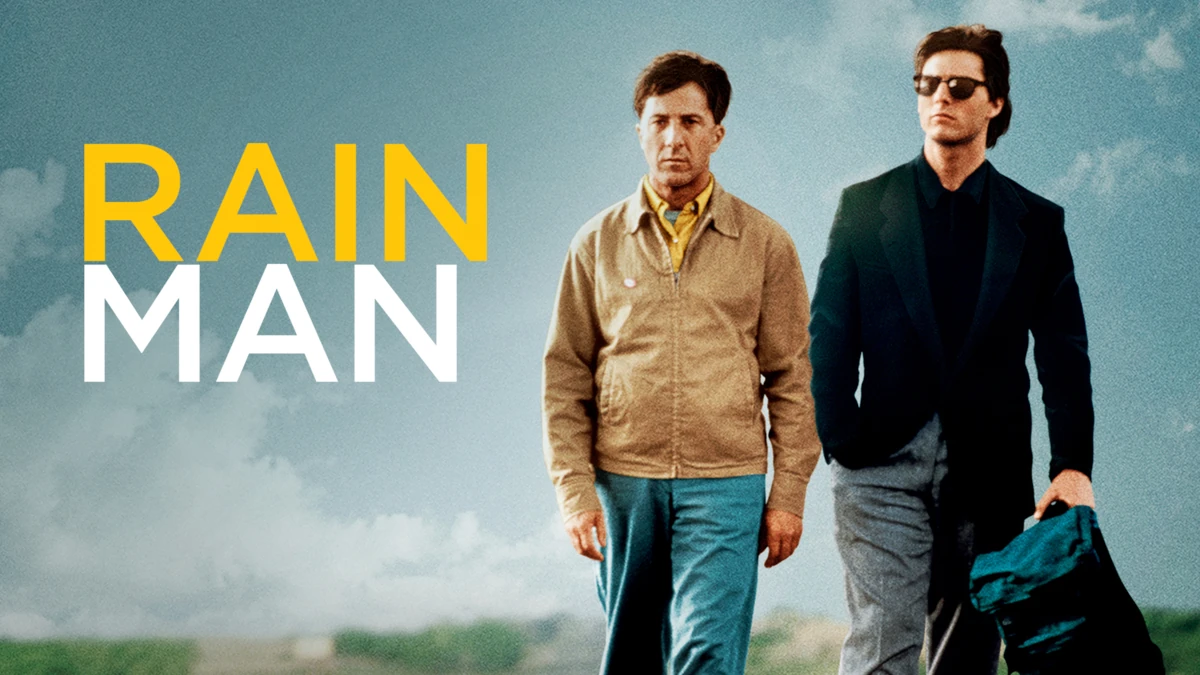
En mettant en scène la relation complexe entre un jeune homme d'affaires égocentrique (Tom Cruise) et son frère aîné autiste (Dustin Hoffman), le film a agi comme un électrochoc mondial. Il a offert une visibilité inédite à une condition neurologique jusqu'alors invisible pour des millions de spectateurs.
Le film et son impact : un triomphe mondial inattendu
À sa sortie, Rain Man a bousculé les codes du box-office en devenant le film le plus rentable de l'année 1988. Porté par la composition minutieuse de Dustin Hoffman...
Au-delà du succès critique et commercial, le film a provoqué une prise de conscience sociétale majeure : soudain, de nombreuses familles ont pu mettre des mots sur les comportements singuliers de leurs enfants, dans un contexte où l'autisme restait largement absent du débat public.
La bande-annonce originale de Rain Man (1988).
Kim Peek : l'extraordinaire source d'inspiration de Raymond Babbitt
Le personnage de Raymond Babbitt n'est pas né de la seule imagination des scénaristes. Il a été inspiré par Kim Peek (1951-2009), un "mégasavant" américain doté d'une mémoire photographique prodigieuse. Capable de lire un livre en une heure environ et d'en retenir la quasi-totalité du contenu (histoire, codes postaux, cartes routières, partitions musicales), Kim Peek possédait un profil cognitif hors du commun.
Fait notable de l'histoire médicale : contrairement à ce que suggère le film, Kim Peek ne serait pas autiste au sens clinique du terme selon les analyses les plus poussées, mais présentait une agénésie du corps calleux (absence congénitale de la structure reliant les deux hémisphères cérébraux), une macrocéphalie et des lésions du cervelet. Une étude de 2008 a conclu qu'il était probablement atteint du syndrome FG (aussi appelé syndrome d'Opitz-Kaveggia), une maladie génétique rare liée au chromosome X — sans que la question de coexistence avec des traits autistiques fasse totalement consensus. Sa rencontre avec Dustin Hoffman avant le tournage a été déterminante pour façonner la gestuelle, la voix monocorde et la posture de Raymond.
Après la sortie du film, Kim Peek est devenu un ambassadeur pour les personnes en situation de handicap, voyageant à travers le monde pour sensibiliser le public et démontrer la richesse des intelligences atypiques.
Avancées et clichés : entre révolution culturelle et mythe du savant
Si Rain Man a eu le mérite immense de sortir l'autisme de l'ombre, il a aussi ancré durablement un stéréotype persistant : celui du « savant autiste » surdoué en calcul ou en mémorisation (le syndrome du savant). Or, selon les travaux du Dr Darold Treffert, chercheur américain qui a consacré sa carrière à l'étude de ce syndrome, seule une personne autiste sur dix environ présente une forme de capacité savante — et les cas aussi spectaculaires que celui de Kim Peek restent une infime exception, même parmi ces derniers.
Pendant longtemps après le film, beaucoup de personnes autistes sans compétences extraordinaires particulières ont eu le sentiment de ne pas être représentées, les médias renvoyant l'image d'un autisme soit profondément lourd et institutionnalisé, soit doté de facultés intellectuelles quasi magiques.
De 1988 à 2026 : l'évolution radicale du regard sur l'autisme
Près de quatre décennies après la sortie du film de Barry Levinson, la compréhension et la représentation de l'autisme ont radicalement évolué. On ne parle plus d'une pathologie figée, mais bien d'un trouble du spectre aux profils infinis, allant des personnes non verbales nécessitant un accompagnement permanent jusqu'aux adultes autonomes neurodivergents.
Les fictions modernes — qu'il s'agisse de séries télévisées ou de documentaires — cherchent désormais à inclure de véritables acteurs autistes et à refléter la diversité des vécus, s'éloignant des caricatures pour embrasser la complexité humaine. Les associations, à l'instar des structures de terrain en France, œuvrent chaque jour pour que l'inclusion ne soit plus seulement un thème cinématographique, mais une réalité quotidienne.
Questions fréquentes
Le film ne prononce pas explicitement le mot "autisme" de manière appuyée au tout début, mais le comportement de Raymond (troubles de la communication, besoin immuable de routines, difficultés d'interaction sociale) correspond clairement à un profil autistique marqué.
Kim Peek présentait une agénésie du corps calleux et, selon une étude de 2008, probablement le syndrome FG (Opitz-Kaveggia) — une maladie génétique rare distincte de l'autisme au sens clinique, même si la question d'une possible coexistence des deux ne fait pas totalement consensus.
Le film a brisé un tabou largement répandu autour de l'autisme, permettant de libérer la parole des familles et d'amorcer une prise de conscience sociétale sur l'existence des troubles neurodéveloppementaux — non sans installer aussi certains raccourcis, comme le mythe du savant systématique.
Rain Man a ouvert une porte sur un monde inconnu ; près de 40 ans plus tard, c'est toute la société qui apprend à ouvrir ses bras à la neurodivergence.
Comprendre l'histoire des représentations de l'autisme, c'est aussi mesurer le chemin parcouru pour offrir à chaque personne un accompagnement sur-mesure, fondé sur la dignité et la réalité du terrain.
Sources : Dr Darold Treffert, Treffert Center — recherches sur le syndrome du savant ; étude de 2008 sur le syndrome FG (Opitz-Kaveggia) et Kim Peek ; archives biographiques de Kim Peek.
— ◆ —
Chaque don compte
Votre soutien permet à l'association de poursuivre son accompagnement auprès des personnes autistes et de leurs familles.
Nous SoutenirVous aimerez aussi
Séjour à Damville
Le projet présenté à Damville offre un véritable tremplin vers une vie plus autonome pour les personnes autistes, en proposant un accompagnement structuré, des activités adaptées et un soutien personnalisé. Cette initiative vise à favoriser l’inclusion, le développement des compétences et l’épanouissement des participants dans un environnement bienveillant et respectueux de leurs besoins.
L’impact de l’autisme sur les frères et sœurs
L’impact de l’autisme sur les frères et sœurs met en lumière les émotions, responsabilités et dynamiques familiales uniques vécues par ces enfants. Il souligne comment la présence d’un frère ou d’une sœur autiste peut influencer le développement, les relations et le bien‑être des fratries, tout en offrant des pistes pour mieux comprendre, soutenir et valoriser leur rôle au sein de la famille.
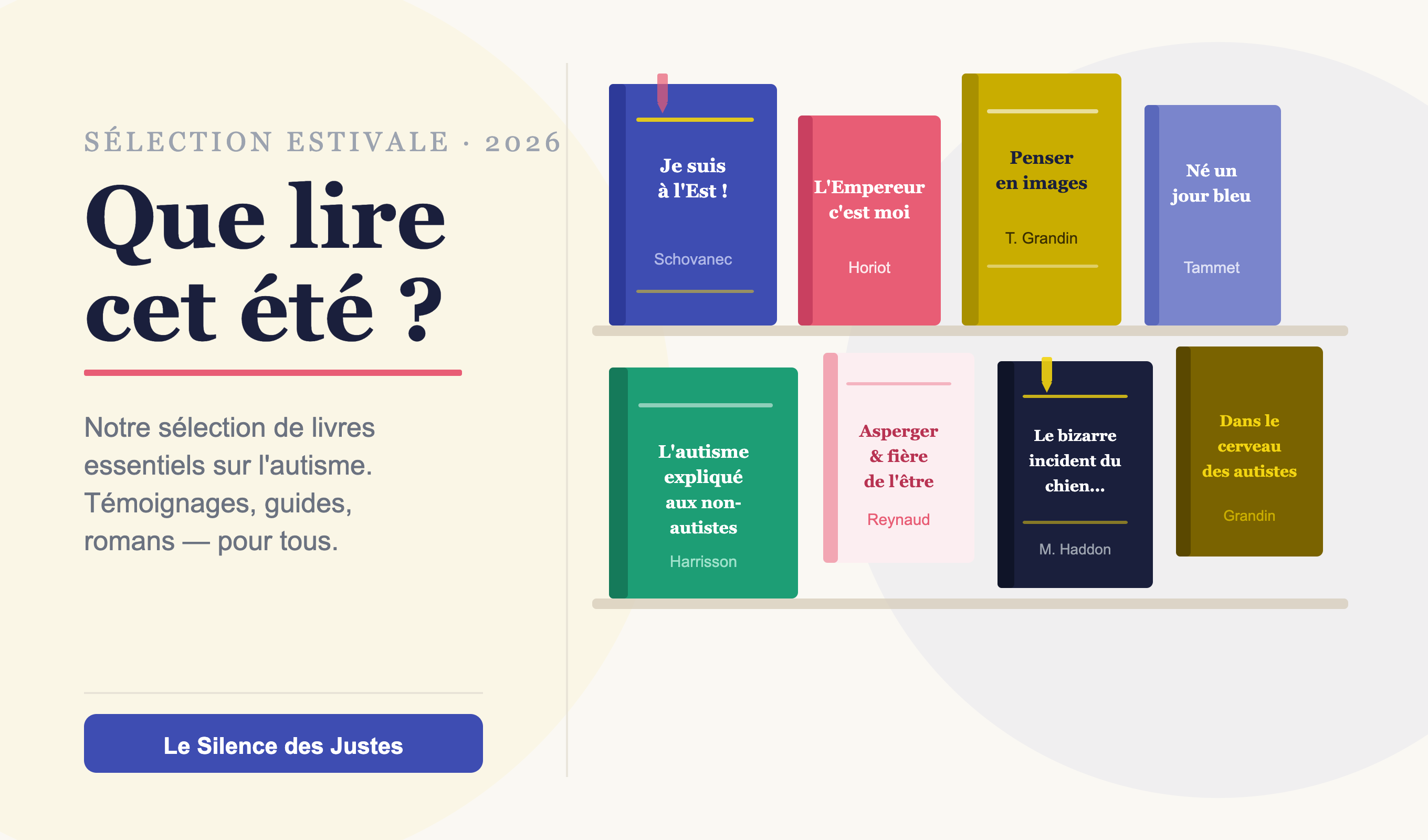
Que lire cet été ?
Notre sélection de livres essentiels sur l'autisme — témoignages, guides pratiques et romans pour mieux comprendre, accompagner et s'inspirer.